

Site preparation 101: what happens before building starts
Before a slab is poured or a frame goes up, every home build passes through a less visible but highly consequential phase: site preparation. For buyers, this stage often determines not only when construction can begin, but how predictable costs, timelines and build quality will be once work is...

iBuildNew Editorial TeamJanuary 26, 20264 min read
Before a slab is poured or a frame goes up, every home build passes through a less visible but highly consequential phase: site preparation. For buyers, this stage often determines not only when construction can begin, but how predictable costs, timelines and build quality will be once work is underway.
While site preparation is sometimes framed as a single line item in a contract, it is in fact a sequence of technical, regulatory and physical steps that set the conditions for the entire build. Understanding what happens during this phase, and where risks typically sit, helps buyers better interpret pricing, allowances and early delays.
From paperwork to physical works
Site preparation begins well before any machinery arrives on site. Following land registration, builders undertake site assessments that include contour surveys, soil testing and service checks. These investigations determine how the home must be engineered to suit the land, particularly in relation to soil reactivity, slope and drainage. Soil classification, typically determined through borehole testing, influences footing design and slab specification. Reactive soils or poor ground conditions can require deeper piers, additional reinforcement or specialised slabs, which in turn affect cost and construction time. For buyers, this is why site costs can vary materially even within the same estate. At the same time, builders confirm service availability and connection requirements for water, sewer, stormwater, electricity and, where relevant, gas and NBN. Delays or discrepancies at this stage, such as incomplete infrastructure or unexpected connection depths, are a common cause of pre-construction hold-ups.Earthworks, levelling and access
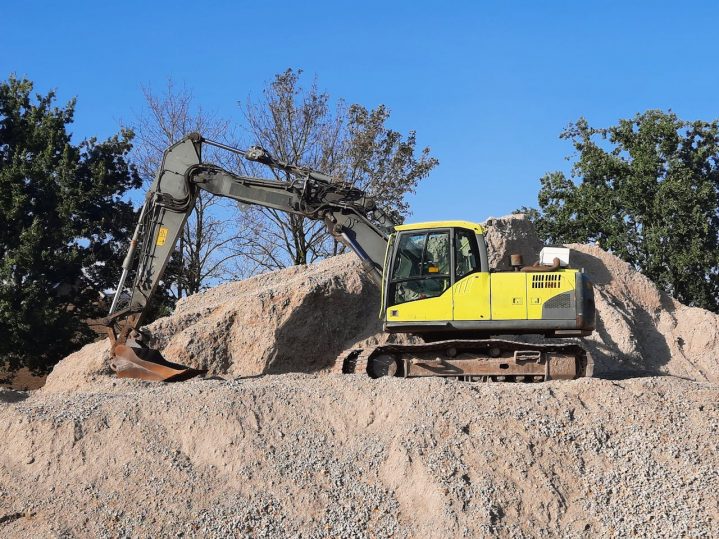
Once approvals are in place, physical site works can begin. This typically includes clearing vegetation where required, cutting and filling to achieve the correct building platform, and establishing site access for construction vehicles. On sloping or irregular blocks, this stage can be more involved. Retaining walls, engineered fill or stepped slabs may be required to manage level changes and comply with local council requirements. These measures are not cosmetic; they are structural responses to site conditions and have long-term implications for drainage, movement and maintenance. Temporary erosion and sediment controls are also installed during this phase. These measures are mandated on most sites and are designed to prevent runoff, protect neighbouring land and ensure compliance with environmental regulations.Regulatory checks and compliance
Before construction can formally commence, the prepared site must meet regulatory and engineering requirements. This includes inspections related to footing excavation, pier placement and compliance with approved plans. For buyers, this stage often coincides with final contract adjustments. Provisional site allowances may be converted into fixed costs once ground conditions and engineering requirements are confirmed. Builders with more conservative upfront allowances may show higher initial pricing but offer greater certainty later, while lower allowances can expose buyers to variations once works begin. This is also the point at which construction insurance, builder warranties and compliance documentation are finalised, ensuring the site is legally ready for building activity.Why site preparation matters to buyers
Site preparation rarely features in display homes or marketing material, yet it underpins the structural performance of the finished home. Inadequate preparation can lead to drainage issues, slab movement or prolonged construction delays, risks that are difficult and costly to address once the build is underway. For buyers comparing builders, clarity around site preparation is often a more meaningful indicator of build certainty than façade upgrades or promotional inclusions. Detailed site cost breakdowns, transparent allowances and a clear explanation of what is and isn’t included provide a better basis for comparison than headline prices alone. Ultimately, site preparation is where a builder translates land conditions into a buildable reality. While it happens quietly and early, it is one of the most important phases in ensuring a home is delivered as expected, structurally sound, compliant and on stable ground from day one.

iBuildNew Editorial Team
As the specialist voice of Australia’s largest new home building resource, the iBuildNew Editorial Team delivers deep-dive coverage into the house and land sector. From analysing new estate launches to highlighting the country’s leading home designs, we track the building journey to provide clarity for every buyer.


