

What an initial deposit actually unlocks in a ‘Create Your Space’ build
Initial deposits are often treated as a formality in the building process, yet they mark one of the most consequential moments in a custom home journey. Long before a full construction contract is signed, this first payment determines how much real work is undertaken to test a design, understand a...

iBuildNew Editorial TeamJanuary 23, 20265 min read
Initial deposits are often treated as a formality in the building process, yet they mark one of the most consequential moments in a custom home journey. Long before a full construction contract is signed, this first payment determines how much real work is undertaken to test a design, understand a site, and confirm costs.
For buyers comparing builders, particularly those considering custom or semi-custom homes, the way an initial deposit is structured can quietly reveal whether a builder’s process is built around clarity or momentum alone.
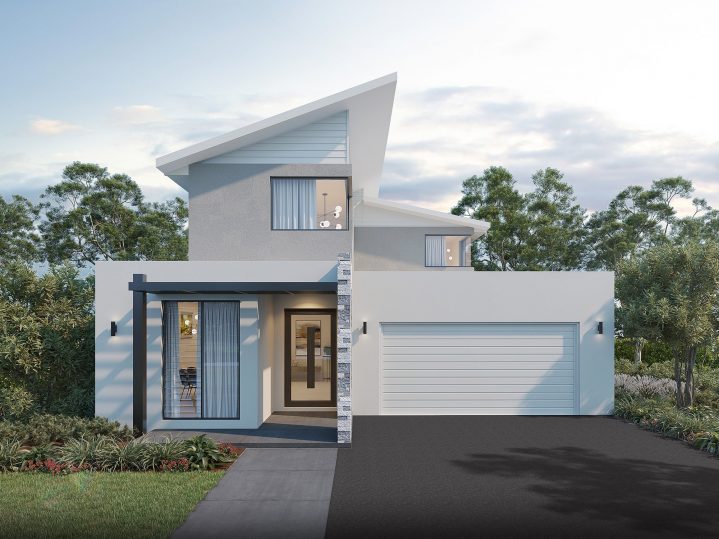 Magenta, Classic facade
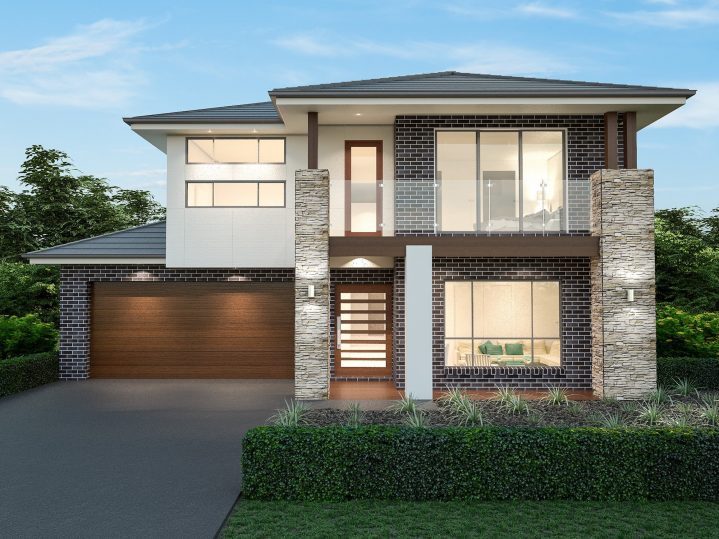 Riverdale- 37.3 PRESTIGE
Why the deposit stage matters more than buyers expect
At face value, an initial deposit can appear similar across builders. In practice, what that payment activates varies significantly. In some models, the deposit functions primarily as a holding fee, securing a place in a build schedule while key investigations are deferred until later. In others, it funds a defined pre-construction phase where site constraints, planning requirements, and early costing are resolved before buyers are asked to commit further. The difference between those approaches often shows up months later, through variations, approval delays, or budget revisions that could have been identified earlier. For buyers, the real question is not how much the deposit is, but what certainty it creates before the contract stage. Magenta, Classic facadeWhat buyers should expect a deposit to cover
A well-structured initial deposit typically initiates site-specific and design-related work that cannot be accurately priced upfront without investigation. This may include:- Physical site inspections and contour surveys
- Geotechnical or borehole reports
- Preliminary plans adapted to the land, not just a generic layout
- Early tender or cost validation based on real data
A director-led approach to early-stage clarity
Smaller, director-led builders, like BuildTec Homes, often structure the initial deposit around this investigative phase rather than treating it as a gateway to volume. Under BuildTec’s process, the initial deposit triggers a sequence of pre-construction activities including site inspection, contour surveying, borehole reporting, preliminary plans, and a preliminary tender, before buyers are asked to proceed to a full HIA contract. This reflects the builder’s broader operating model of ‘Create Your Space’. The focus is on keeping design, site conditions, and cost considerations closely connected from the outset. By deliberately limiting the number of homes delivered each year, this model allows for direct involvement from the Director throughout pre-construction and build delivery, rather than progressing multiple projects simultaneously. For buyers, this can translate into earlier visibility over build feasibility and cost alignment, rather than discovering constraints after contractual commitments are in place.Reducing downstream risk before locking in a contract
From a buyer perspective, the value of early investigation is not abstract. Site conditions, planning overlays, and engineering requirements are among the most common sources of post-contract variations. By funding these assessments through the initial deposit phase, builders can prepare preliminary tenders that reflect the realities of the land, not best-case assumptions. This allows buyers to assess affordability, make informed design adjustments, or pause their decision-making before entering a fixed-price contract. BuildTec’s process formalises this step by separating preliminary investigation from full contract execution, giving buyers a clearer decision point before progressing to construction documentation and approvals. Riverdale- 37.3 PRESTIGETransparency as a differentiator in the early stages
The way an initial deposit is explained can be as important as how it is used. Buyers who feel uncertain at this stage often cite vague descriptions of what the payment covers, who is responsible for the work, and what happens if they decide not to proceed. In contrast, builders who clearly outline the scope, deliverables, and limits of the deposit phase tend to attract buyers who value process transparency and direct accountability. This aligns with the growing appeal of smaller, custom-focused builders that deliberately cap project numbers to maintain involvement and continuity. While this model may not suit every household, particularly those prioritising speed or standardisation, it offers a pathway for buyers who want early clarity and a stronger understanding of their project before committing.Questions buyers should ask before paying a deposit
The initial deposit stage is an opportunity to assess how the process will unfold. Useful questions include:- What specific work is completed once the deposit is paid?
- Will site reports and surveys be ordered at this stage?
- Is a preliminary tender or cost assessment provided before contract?
- Who oversees this phase, and how involved will they be?
- What decisions am I expected to make before moving to contract?
Finding the right fit early
The initial deposit is less about securing a build slot and more about testing whether a builder’s process aligns with how you want to build. For buyers navigating a crowded market, paying attention to what happens before the contract can be one of the most effective ways to reduce risk and set expectations early. Models like BuildTec’s illustrate how a clearly defined pre-construction phase can support better-informed decisions, reinforcing that in custom home building, certainty is often created long before construction begins.

iBuildNew Editorial Team
As the specialist voice of Australia’s largest new home building resource, the iBuildNew Editorial Team delivers deep-dive coverage into the house and land sector. From analysing new estate launches to highlighting the country’s leading home designs, we track the building journey to provide clarity for every buyer.


