

Dining room decor ideas that guests notice more than you think
The dining room is rarely the space buyers or homeowners design first, but it is often the one guests remember most clearly. Unlike kitchens or living rooms, dining areas are used in concentrated moments, dinners, celebrations, long conversations that stretch past dessert. Because of that, the room...

iBuildNew Editorial TeamDecember 17, 20255 min read
The dining room is rarely the space buyers or homeowners design first, but it is often the one guests remember most clearly.
Unlike kitchens or living rooms, dining areas are used in concentrated moments, dinners, celebrations, long conversations that stretch past dessert. Because of that, the room is experienced as a whole rather than in parts. Comfort, proportion and atmosphere tend to register before individual pieces of furniture or styling choices.
That is why many dining rooms that look resolved on paper or in photos can still feel slightly awkward in use. Chairs feel too tight, lighting feels harsh, or the space lacks the quiet cues that make people want to linger. These issues are rarely about budget or trend awareness. They usually come down to a few design decisions that are easy to overlook during planning.
Here are some ideas that focus less on decorative “add-ons” and more on the underlying choices that quietly shape how a dining room performs when it’s actually full of people.
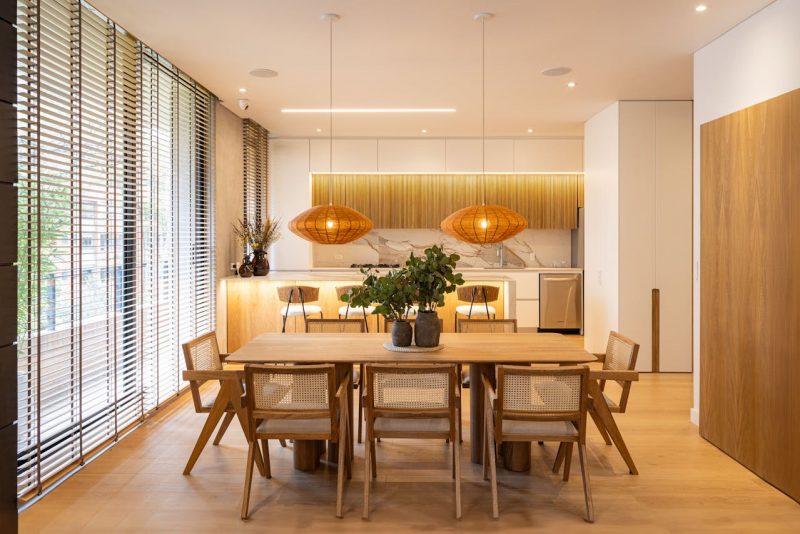
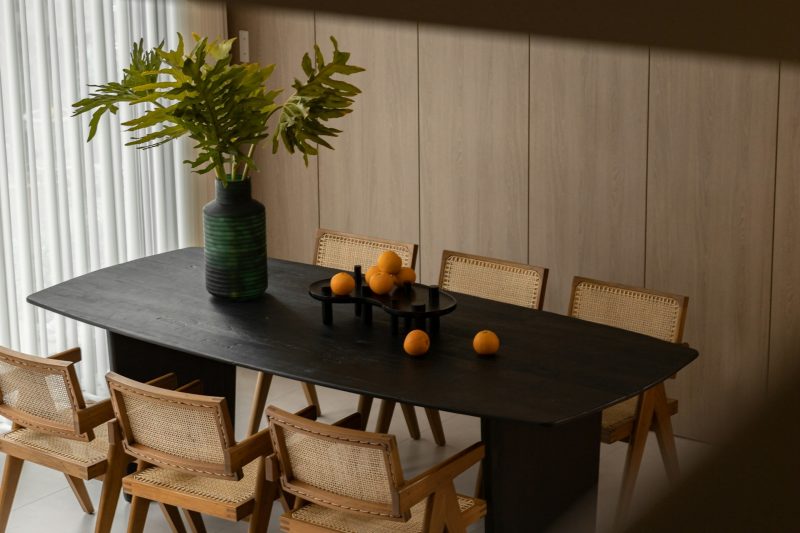
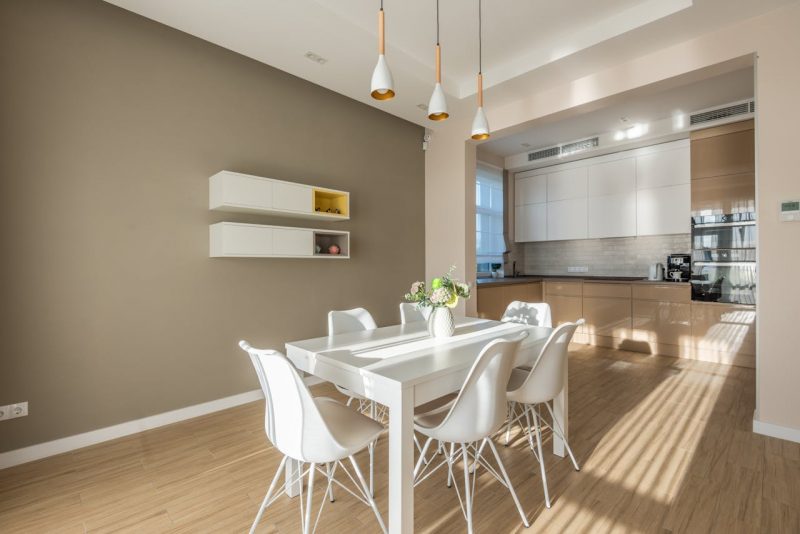
1. Start with circulation, not the table
Most dining rooms are designed around the table size, but not enough attention is given to how people move around it. Clearance behind chairs matters more than visual balance. When guests constantly stand to let others pass, the room feels constrained no matter how large it appears. As a guide, comfortable circulation usually requires more space than buyers initially expect, particularly in open-plan homes where dining areas sit between kitchen and living zones. Designing the room around movement first often leads to better table proportions and a calmer overall layout.2. Lighting height shapes the entire experience
Pendant lights are one of the most common dining room features, yet their height is frequently decided late, or based on aesthetics alone. Too high and the room feels exposed. Too low and it becomes visually heavy or intrusive. The ideal position creates a soft visual anchor without cutting across sightlines, especially in open-plan settings. What is often overlooked is dimming control. The ability to shift from functional brightness to a warmer, lower setting changes the room’s mood more than swapping any decorative element.3. Chair comfort signals how long guests are welcome to stay
Dining chairs are often selected to match the table or broader interior palette, but comfort plays a quiet psychological role. Upholstery, seat depth and back support influence how relaxed people feel after the meal is finished. Chairs that look good but feel rigid tend to shorten gatherings without anyone consciously noticing why. For homeowners, this is one of the few dining decisions that directly affects how the space is used over time, not just how it photographs.4. Acoustics are part of decor, even if they’re invisible
Hard surfaces dominate many dining areas, particularly in contemporary homes. While this creates a clean aesthetic, it can amplify noise once the room is occupied. Rugs, window treatments and even wall finishes help absorb sound and soften conversation. These elements are often framed as styling choices, but their acoustic effect is what makes a dining room feel intimate rather than echoing or chaotic. This becomes especially relevant for larger tables or homes that frequently entertain.5. Scale matters more than statement pieces
Large artwork, bold lighting or sculptural tables can anchor a dining room, but only if the proportions are right. Oversized pieces in compact spaces tend to dominate rather than elevate, while undersized elements can make a room feel unfinished. What is often missed is the relationship between ceiling height, table width and feature size. When these elements are scaled correctly, the room feels intentional without needing excessive decoration.6. Storage placement affects how “formal” the room feels
Sideboards and cabinetry are practical, but their placement influences the tone of the space. A dining room with visible, accessible storage tends to feel more relaxed and everyday-friendly, while minimal or concealed storage leans formal. Neither is inherently better, but clarity of intent matters. Many homeowners end up with a dining room that sits awkwardly between the two because storage was treated as an afterthought rather than a defining feature.7. Don’t design the room for empty moments
Dining rooms are often styled for when no one is using them, but they are experienced when full. Considering how the room feels with chairs pulled out, people seated and plates on the table leads to different design decisions than styling for stillness. Lighting softness, table shape and circulation all benefit from being assessed at “full capacity.” Designing for use rather than display is what ultimately makes guests feel comfortable, and impressed, without the space trying too hard. In the end, the most successful dining rooms rarely rely on trend-driven decor or statement purchases. They are shaped by decisions that prioritise how people sit, move, hear and feel within the space. For buyers and homeowners in the design phase, paying attention to these quieter considerations often results in a dining room that feels generous, welcoming and memorable, long after the table has been cleared.

iBuildNew Editorial Team
As the specialist voice of Australia’s largest new home building resource, the iBuildNew Editorial Team delivers deep-dive coverage into the house and land sector. From analysing new estate launches to highlighting the country’s leading home designs, we track the building journey to provide clarity for every buyer.


