

Inside popular small block home designs by Eight Homes
Melbourne’s shift toward smaller residential blocks is no longer a niche trend. In growth areas across the city’s outer suburbs, the Small Lot Housing Code (SLHC) has become a key planning mechanism shaping how new homes are designed, approved and delivered. For buyers navigating compact lots,...
iBuildNew Editorial TeamFebruary 10, 20264 min read
Melbourne’s shift toward smaller residential blocks is no longer a niche trend. In growth areas across the city’s outer suburbs, the Small Lot Housing Code (SLHC) has become a key planning mechanism shaping how new homes are designed, approved and delivered.
For buyers navigating compact lots, understanding how the Code works, and what compliant homes actually look like, is increasingly important.
 P11 facade
Key to its appeal is internal zoning: communal living spaces are concentrated on the ground floor, while bedrooms and secondary living areas sit upstairs, allowing privacy without sacrificing flexibility. The inclusion of multiple walk-in robes and a large pantry reflects a broader trend in small lot housing, prioritising storage to improve long-term liveability.
P11 facade
Key to its appeal is internal zoning: communal living spaces are concentrated on the ground floor, while bedrooms and secondary living areas sit upstairs, allowing privacy without sacrificing flexibility. The inclusion of multiple walk-in robes and a large pantry reflects a broader trend in small lot housing, prioritising storage to improve long-term liveability.
 H1 facade
For buyers assessing narrow or compact blocks, the Jorelle demonstrates how three living areas can still be achieved without inflating overall site coverage, a key consideration under SLHC standards, particularly on lots approaching the lower size thresholds.
H1 facade
For buyers assessing narrow or compact blocks, the Jorelle demonstrates how three living areas can still be achieved without inflating overall site coverage, a key consideration under SLHC standards, particularly on lots approaching the lower size thresholds.
 H3 Facade
This type of plan is increasingly relevant for first-home buyers and investors targeting affordability without dropping bedroom count. The Kaedee range shows how compliance with the Small Lot Housing Code doesn’t necessarily require double-storey construction, provided the layout efficiently meets amenity standards.
H3 Facade
This type of plan is increasingly relevant for first-home buyers and investors targeting affordability without dropping bedroom count. The Kaedee range shows how compliance with the Small Lot Housing Code doesn’t necessarily require double-storey construction, provided the layout efficiently meets amenity standards.
What is the Small Lot Housing Code?
The Small Lot Housing Code was introduced to streamline housing delivery on blocks under 300 square metres by removing the need for a planning permit, provided strict design and siting standards are met. First launched in 2011, the Code has evolved to respond to higher densities and changing household needs. For buyers, the relevance of the Code is practical rather than theoretical. SLHC-compliant homes typically move through approvals faster, face fewer planning risks, and are designed around minimum setbacks, overlooking controls, private open space and streetscape outcomes. In growth corridors where lot sizes continue to compress, these standards largely dictate what can and can’t be built.Why design matters more on small lots
On compact blocks, efficiency replaces excess. Poorly resolved small lot homes can feel constrained, dark or overly compromised. Well-designed ones prioritise zoning, light access and vertical space, often delivering surprisingly generous living outcomes within tight footprints. Builders operating consistently under the Small Lot Housing Code tend to refine a narrower set of plans rather than customising each home. Eight Homes is one such builder, with a portfolio of designs purpose-built to meet SLHC requirements across Melbourne’s growth areas. Below are several examples that illustrate how small lot homes are being configured in practice.Popular small lot code home designs by Eight Homes
Jardene 2-30
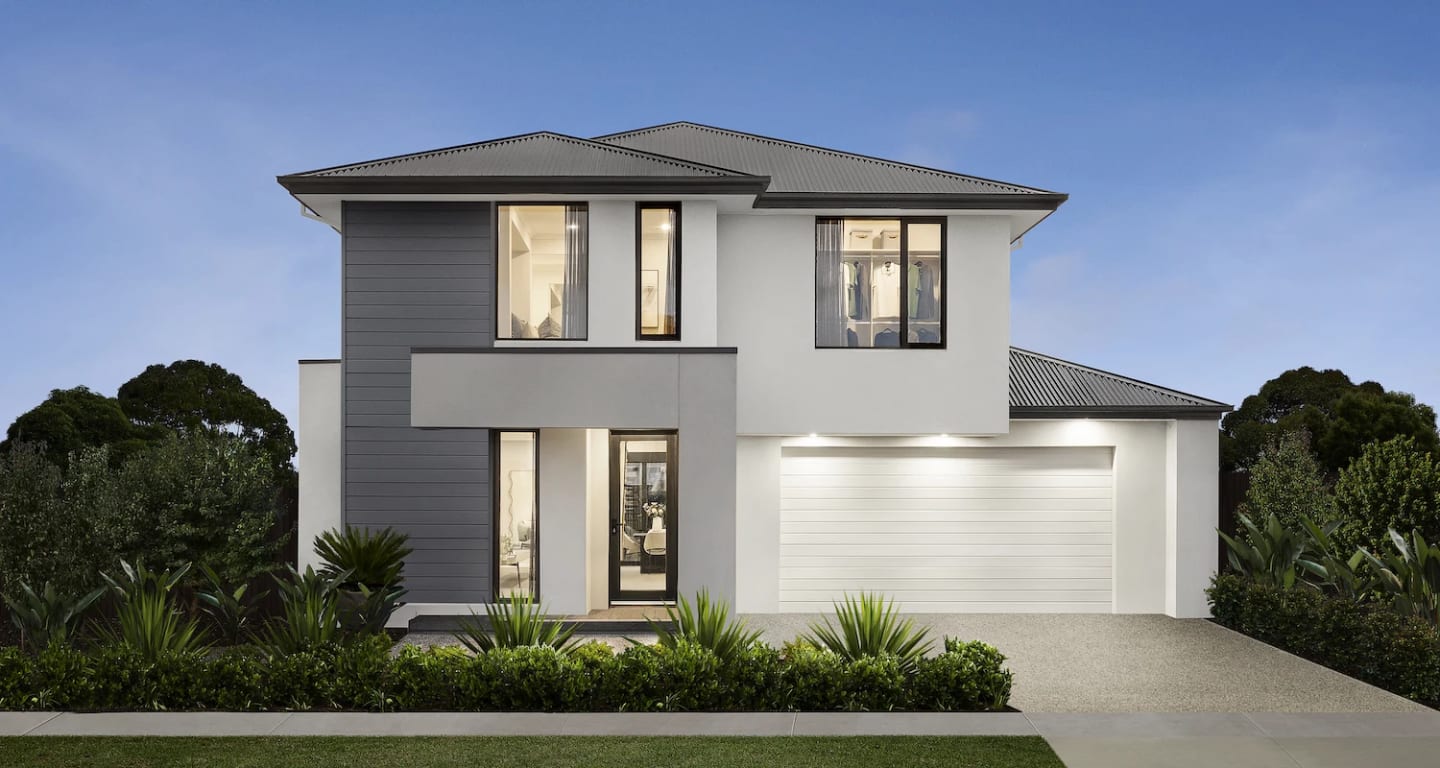
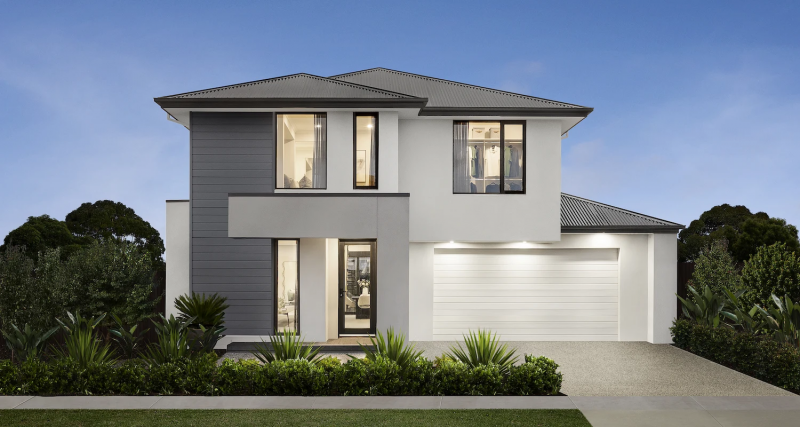
Designed for lots from 12.5 metres wide, the Jardene 2-30 is a double-storey layout that demonstrates how vertical planning can offset reduced site area. Despite its compact frontage, the home accommodates four bedrooms, three separate living zones and a full double garage within a footprint just under 30 squares. P11 facade
Key to its appeal is internal zoning: communal living spaces are concentrated on the ground floor, while bedrooms and secondary living areas sit upstairs, allowing privacy without sacrificing flexibility. The inclusion of multiple walk-in robes and a large pantry reflects a broader trend in small lot housing, prioritising storage to improve long-term liveability.
Jorelle 2-30
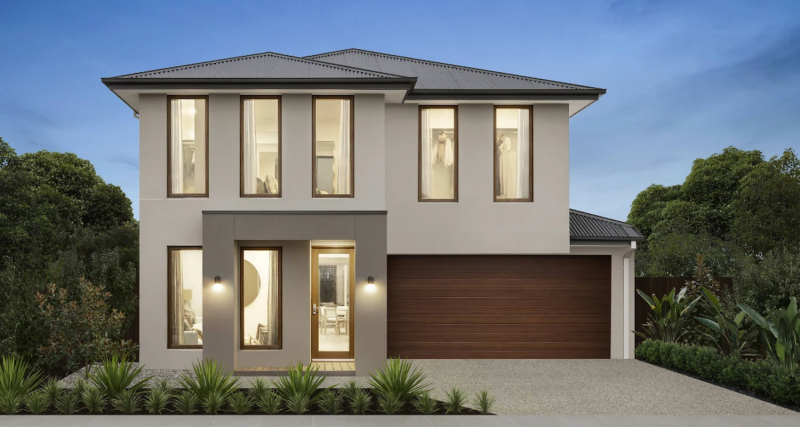
Purpose-designed for Small Lot Code compliance, the Jorelle 2-30 takes a similar footprint to the Jardene but applies it slightly differently. The emphasis here is on circulation and flow, with a strong entry sequence leading into an open living and kitchen zone, supported by an alfresco space that maintains private open space requirements. H1 facade
For buyers assessing narrow or compact blocks, the Jorelle demonstrates how three living areas can still be achieved without inflating overall site coverage, a key consideration under SLHC standards, particularly on lots approaching the lower size thresholds.
Kaedee 4-19
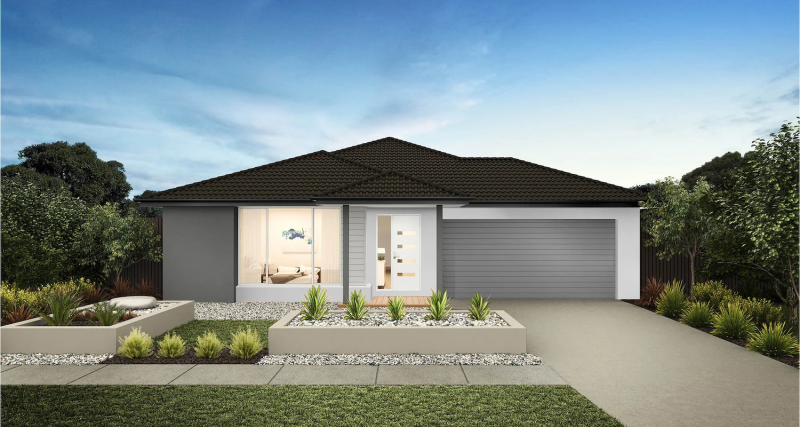
At the more compact end of the scale, the Kaedee 4-19 is suited to buyers working with slightly wider but shorter blocks, typically from 14 metres in width. With a total area just over 19 squares, the design focuses on a single open-plan living zone supported by a study nook and four-bedroom configuration. H3 Facade
This type of plan is increasingly relevant for first-home buyers and investors targeting affordability without dropping bedroom count. The Kaedee range shows how compliance with the Small Lot Housing Code doesn’t necessarily require double-storey construction, provided the layout efficiently meets amenity standards.
What buyers should take away
Small lot housing in Melbourne is less about compromise and more about alignment, between block dimensions, planning controls and design intent. The Small Lot Housing Code sets the framework, but the outcome depends heavily on how well a home is resolved within those constraints. Designs like those offered by Eight Homes illustrate the direction of travel: narrower frontages, stronger internal zoning, and layouts that prioritise usable living space over redundant rooms. For buyers considering land in growth areas, reviewing SLHC-compliant designs early can help avoid costly redesigns and provide clearer expectations around what’s achievable on smaller blocks. As lot sizes continue to shrink, understanding the Code, and how builders are responding to it, is becoming a fundamental part of the buying process, not an optional extra.

iBuildNew Editorial Team
As the specialist voice of Australia’s largest new home building resource, the iBuildNew Editorial Team delivers deep-dive coverage into the house and land sector. From analysing new estate launches to highlighting the country’s leading home designs, we track the building journey to provide clarity for every buyer.


