

Kitchen design trends: Where to splurge and where to save
Kitchens have become the most scrutinised space in the home-building and renovation process, not because they are the most expensive room by default, but because they concentrate more decisions into a smaller footprint than anywhere else. Cabinetry profiles, benchtops, appliances, storage systems,...

iBuildNew Editorial TeamDecember 17, 20254 min read
Kitchens have become the most scrutinised space in the home-building and renovation process, not because they are the most expensive room by default, but because they concentrate more decisions into a smaller footprint than anywhere else.
Cabinetry profiles, benchtops, appliances, storage systems, lighting, tapware and finishes are often locked in within a short decision window, frequently before buyers have lived in the home or fully understood how the space will be used day to day. It’s also one of the few rooms where aesthetic choices and functional outcomes are tightly intertwined, making it easy to overspend in the wrong places while quietly compromising performance elsewhere.
That tension has shaped recent kitchen design trends. Rather than chasing novelty, buyers are increasingly focused on longevity, layouts that age well, materials that wear predictably, and features that continue to add value long after the initial excitement fades.
Understanding where to allocate budget, and where restraint delivers better outcomes, is becoming as important as choosing the right look.
What buyers often underestimate when designing a kitchen
One of the most common oversights in kitchen planning is assuming that visual impact equates to long-term satisfaction. In practice, the elements that shape daily use, how drawers open, where power points sit, how surfaces wear, how light falls across work zones, tend to matter far more over time than statement finishes. Another frequent miscalculation is treating the kitchen as a standalone room, rather than as part of a broader living system. Decisions made in isolation can create friction later: oversized islands that disrupt circulation, minimalist cabinetry that limits storage, or appliance upgrades that strain cabinetry allowances. With those blind spots in mind, recent design trends point less toward “must-have” features and more toward selective investment.Where it makes sense to splurge
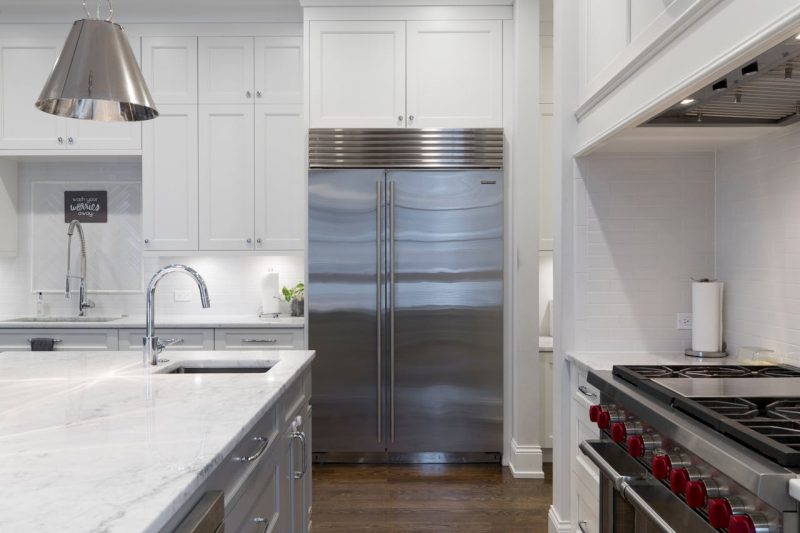
Benchtops remain one of the clearest cases for considered investment. Durable engineered stone, porcelain or high-quality natural stone alternatives tend to justify their cost through resistance to heat, staining and impact, particularly in households where the kitchen is used heavily. While trend-driven colours can date quickly, neutral or lightly textured surfaces tend to age more gracefully and retain appeal at resale. Cabinet hardware and internal joinery systems are another area where spending is often felt daily. Soft-close mechanisms, full-extension drawers and well-planned internal storage dramatically improve usability, yet are rarely obvious in display images. These elements shape how the kitchen functions long after finishes fade into the background. Appliance selection is also shifting. Rather than upgrading everything, buyers are increasingly prioritising performance where it matters most, ovens, cooktops and rangehoods, while opting for simpler solutions elsewhere. Reliability, servicing and replacement costs are now factoring more heavily into decision-making than brand prestige alone.Where restraint often delivers better value
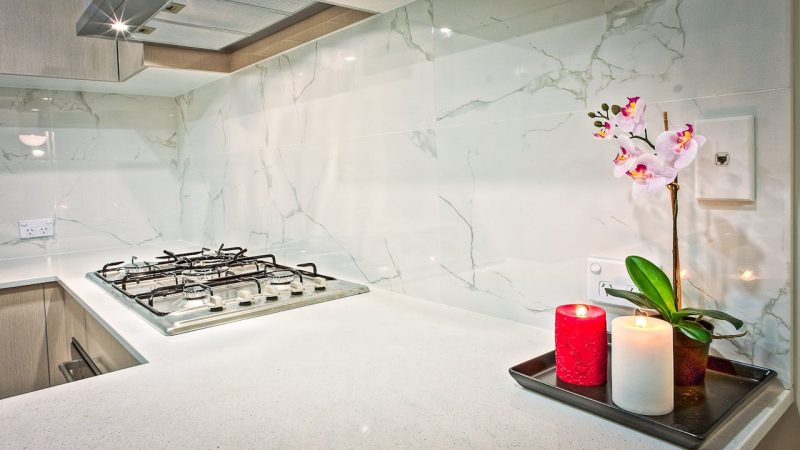
Cabinet finishes are an area where overspending rarely delivers proportional benefit. High-gloss, heavily detailed or ultra-matte finishes can look striking initially but often show wear more quickly than expected. Laminates and modern textured finishes, by contrast, have improved significantly in durability and offer broader colour stability over time. Splashbacks are another category where trends move quickly. Elaborate tiling or bold patterns can lock a kitchen into a specific moment, while simpler surfaces, tiled neutrals, glass or slab extensions of the benchtop, allow the space to adapt as surrounding interiors evolve. Lighting is also frequently over-specified. Feature pendants may photograph well, but layered, functional lighting, task lighting under cabinetry, well-positioned downlights and thoughtful natural light access, tends to outperform decorative solutions in daily use, often at lower cost.Designing for how kitchens are actually used
Perhaps the most important shift in kitchen design thinking is recognising that trends matter less than alignment with lifestyle. Open shelving, handle-less cabinetry and oversized islands continue to feature heavily in marketing imagery, yet they don’t suit every household. Designing for mess tolerance, cooking frequency, storage habits and family movement patterns often leads to quieter, less overtly “designed” kitchens, but ones that feel easier to live with over time. In that sense, the most enduring kitchen trend is not a finish or feature, but a more disciplined approach to spending. Knowing where investment improves everyday use, and where simplicity works harder, allows kitchens to perform well long after trends move on. For buyers and homeowners at the design stage, that clarity can make the difference between a kitchen that looks resolved on day one, and one that continues to feel right years later.

iBuildNew Editorial Team
As the specialist voice of Australia’s largest new home building resource, the iBuildNew Editorial Team delivers deep-dive coverage into the house and land sector. From analysing new estate launches to highlighting the country’s leading home designs, we track the building journey to provide clarity for every buyer.


