

Building a Home in 2025: What You Need to Know
Building a home is an exciting and often overwhelming experience. In 2025, the building process has evolved with new innovations in design, sustainability, and construction, making the experience more efficient and future-ready. Step 1: Planning and Budgeting for Your Home Before you can break...

iBuildNew Editorial TeamAugust 8, 20254 min read
Building a home is an exciting and often overwhelming experience.
In 2025, the building process has evolved with new innovations in design, sustainability, and construction, making the experience more efficient and future-ready.
Step 3: Designing Your Home
Design trends are focused on sustainability, flexibility, and incorporating innovative technologies.
Energy-efficient designs are more important than ever. Many modern homes incorporate passive solar design, energy-efficient windows, solar panels, and rainwater harvesting systems, which drastically reduce environmental impact and utility bills.
Builders are increasingly adopting sustainable practices to help homeowners live greener lives. With new technologies emerging constantly, designing a home that adapts to future advancements is key.
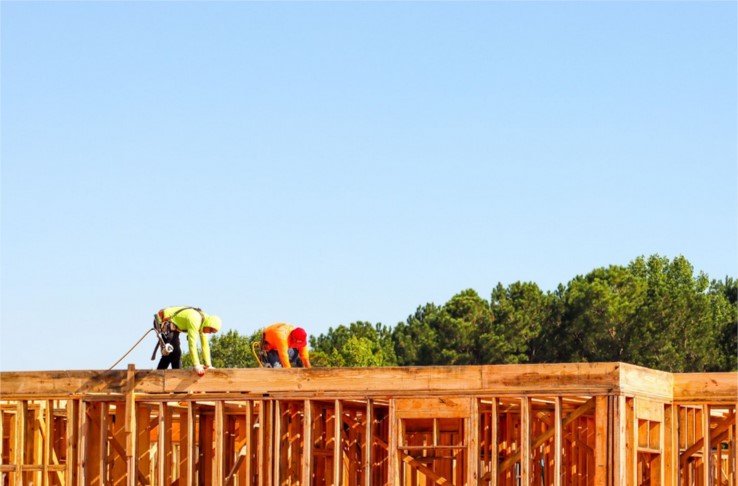
Building a home in 2025 offers an exciting opportunity to design and create a space tailored to your specific needs and preferences.
With advancements in sustainability, technology, and design, you can build a home that’s both functional and future-proof.
While the process can be complex, working with an experienced builder and planning carefully ensures that your dream home becomes a reality—on time and within budget.
Step 1: Planning and Budgeting for Your Home
Before you can break ground, it's crucial to define your vision for your new home. Understanding the style, size, and features you want is just the beginning. Setting a realistic budget is one of the most important parts of the planning stage, ensuring that your dream home remains within financial reach. Building a home requires a well-thought-out budget that accounts for more than just construction costs. You’ll need to factor in site preparation, permits, legal fees, and interior finishes. Hiring the right professionals is essential. From architects to project managers, these experts will help ensure your plans align with your vision and remain within budget.Step 2: Site Selection and Preparation
Choosing the right plot of land is a crucial decision that will impact the design, construction, and cost of your home. In 2025, homeowners are placing greater emphasis on choosing a location that supports energy efficiency, sustainability, and lifestyle needs. Environmental factors like the block’s orientation to maximise natural light, its slope, and the site’s suitability for eco-friendly construction practices should all be considered. Once your land is chosen, preparing the site for construction is the next step. This phase can involve clearing the site, preparing the foundation, and ensuring that the ground is level and stable. This preparation ensures the building process goes smoothly.Step 3: Designing Your Home
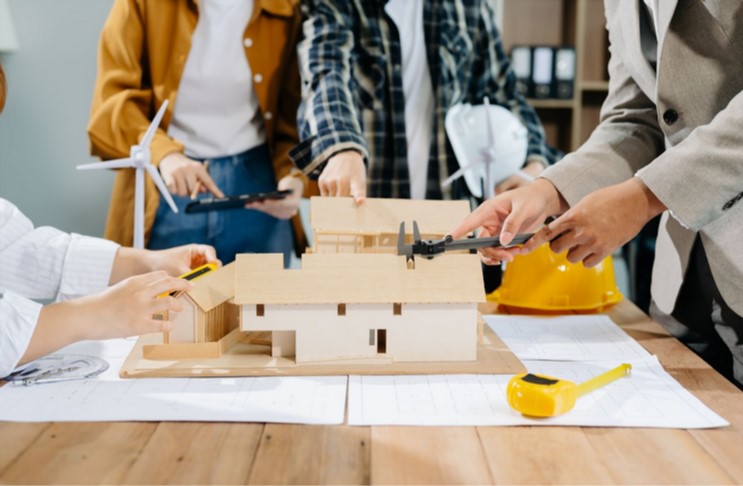
Design trends are focused on sustainability, flexibility, and incorporating innovative technologies.
Energy-efficient designs are more important than ever. Many modern homes incorporate passive solar design, energy-efficient windows, solar panels, and rainwater harvesting systems, which drastically reduce environmental impact and utility bills.
Builders are increasingly adopting sustainable practices to help homeowners live greener lives. With new technologies emerging constantly, designing a home that adapts to future advancements is key.
Step 4: The Construction Process
Once the design is finalised and all permits are approved, it’s time to start building. The construction process in 2025 is more streamlined and efficient than ever, thanks to innovations like prefabrication, 3D printing, and drones for site surveying.Stages of Construction
The construction process typically includes several key stages:- Site Preparation and Excavation
- Foundation and Framing
- Plumbing, Electrical, and HVAC
- Roofing, Windows, and Doors
- Internal Fit-Out (Walls, Floors, and Ceilings)
- Final Inspection and Handover
Step 5: Managing the Timeline
Timelines are now more predictable thanks to improved project management tools and construction technologies. However, delays are still possible due to unforeseen issues like weather conditions or material shortages. Regular communication with your builder is crucial for staying on track. Make sure to work with a builder who keeps you updated and manages potential setbacks, helping to keep the project moving smoothly.Step 6: Final Inspection and Handover
Before you move into your new home, a final inspection ensures everything meets the agreed-upon specifications. This includes checking that all systems—plumbing, electrical, and HVAC—are working properly. Ensuring that every detail is reviewed thoroughly can help avoid any last-minute issues that could delay your move-in. Once everything passes inspection, your builder will officially hand over the keys, and your new chapter begins.Building Your Dream Home in 2025


iBuildNew Editorial Team
As the specialist voice of Australia’s largest new home building resource, the iBuildNew Editorial Team delivers deep-dive coverage into the house and land sector. From analysing new estate launches to highlighting the country’s leading home designs, we track the building journey to provide clarity for every buyer.


