

Maximising Your Block: The Ultimate Guide to Fitting a Home Design
Designing a home that suits your block of land is both an art and a science. From narrow lots in growing suburbs to sloping blocks in bush settings, the right approach can help you create a home that’s functional, stylish, and maximises every square metre. In this guide, we explore how to get the...

iBuildNew Editorial TeamAugust 14, 20255 min read
Designing a home that suits your block of land is both an art and a science. From narrow lots in growing suburbs to sloping blocks in bush settings, the right approach can help you create a home that’s functional, stylish, and maximises every square metre.
In this guide, we explore how to get the most out of your block—from design strategy to lifestyle integration—so your dream home fits perfectly within its boundaries.

Understanding the Block
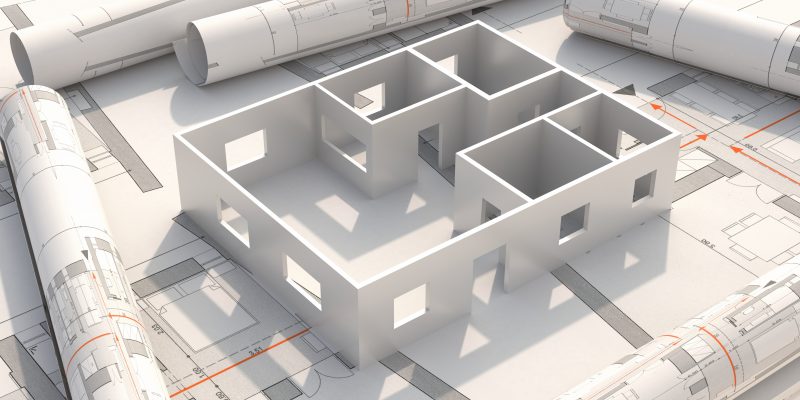
Every successful home design begins with a deep understanding of the site. Before making any decisions, assess the dimensions, orientation, slope, and existing features of your land. Council regulations, easements, and setback requirements will also affect where and how you can build. A north-facing rear yard, for instance, will lend itself to sun-filled living areas, while a corner block might offer dual access and more design flexibility. Identifying these factors early allows you to design around them instead of fighting against them.Choosing the Right Floor Plan
Not every floor plan will suit every block. Builders today offer an extensive range of designs tailored to narrow lots, sloping sites, or small urban blocks. For narrower blocks, double-storey homes are often ideal, freeing up yard space without sacrificing square footage inside. Split-level designs work well on sloping sites, creating multi-zoned living areas that follow the natural fall of the land. It’s also worth considering customisation. Many builders will adapt existing plans to better suit your block’s unique characteristics—whether that means flipping the layout, altering window placements, or expanding certain areas.Open Plan Living and Flow
Open plan living is one of the most effective ways to enhance the sense of space in any home. By merging the kitchen, dining and living areas into one continuous zone, you create a more expansive, adaptable living environment. To further extend this feeling, consider incorporating large glass sliding or stacker doors that open out to alfresco areas or decks. This connection between indoors and outdoors makes the home feel larger and encourages natural ventilation and light.Natural Light and Orientation
Maximising sunlight is crucial, especially on smaller blocks. Orienting living spaces towards the north ensures they receive the most daylight year-round. Strategically placing windows, skylights, and internal courtyards can flood the interior with natural light and reduce reliance on artificial lighting. Homes on tighter blocks can feel confined, but using lighter tones in your finishes, higher ceilings, and reflective surfaces can enhance the perception of space. Glass balustrades, open staircases and internal voids can also help create a sense of airiness.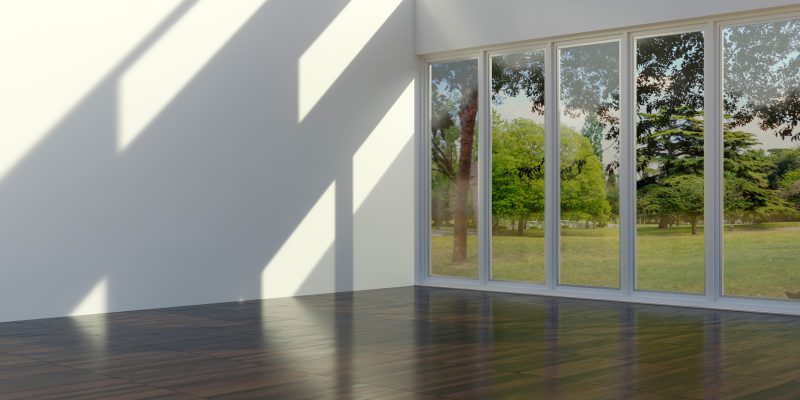
Smart Zoning and Multi-Use Spaces
Smart zoning is about allocating space effectively to match your lifestyle. Bedrooms should offer privacy, ideally located away from communal areas. Consider creating quiet corners for working from home, or using a second living room as a play area or retreat. Flexibility is key. In compact homes, multi-purpose spaces—such as a guest bedroom that doubles as a study—allow you to do more with less. This approach future-proofs your home and makes it adaptable to changes in your family’s needs over time.Storage as a Design Priority
Storage should never be an afterthought. Clever storage can drastically improve a home’s functionality, especially on smaller blocks. A clutter-free home naturally feels larger. Integrating storage into the architecture helps maintain clean lines and improves both aesthetics and usability.Indoor-Outdoor Integration
Even on a tight block, you can create a seamless flow from interior to exterior. Outdoor living areas like decks, patios, or balconies should feel like extensions of your internal space. Matching flooring materials or maintaining similar colour palettes helps achieve this continuity. For homes with limited yard space, vertical gardens, narrow courtyards, or rooftop terraces can provide valuable green space without compromising on your internal layout.Think Vertical, Not Just Horizontal
Going up instead of out is often the best way to make full use of your block. A double-storey home can provide all the space of a large single-level design while freeing up more room for gardens, entertaining or even a pool. You can also play with ceiling heights and voids to add drama and space without increasing your footprint. A well-placed void over the dining room, for example, creates an eye-catching feature that draws light and opens up the home.Work With Professionals Who Know the Terrain
Choosing a builder or architect experienced with challenging blocks is invaluable. They’ll understand how to navigate local building codes, optimise orientation, and suggest designs that make the most of your site’s assets. Be open to their suggestions—they might see potential in your block that you hadn’t considered. And remember to factor in bushfire or flood regulations if your site is in a designated hazard area, as these can impact both design and material choices.Your Home, Your Block, Your Way
Your home should be designed around the way you live, not just the block it sits on. Start with a clear vision—whether that’s entertaining, working from home, or embracing outdoor living—and let function guide your decisions over fleeting trends. By working with your land’s strengths, applying smart design, and staying open to creative solutions, even the smallest or most awkward blocks can become spacious, beautiful, and perfectly yours.

iBuildNew Editorial Team
As the specialist voice of Australia’s largest new home building resource, the iBuildNew Editorial Team delivers deep-dive coverage into the house and land sector. From analysing new estate launches to highlighting the country’s leading home designs, we track the building journey to provide clarity for every buyer.


