Designing indoor–outdoor living spaces (that actually get used)

Indoor–outdoor living has become a default inclusion in Australian homes, but its success varies significantly once homes are occupied. While many new builds feature alfresco zones, stacker doors, or extended decks, a large proportion of these spaces remain underused once the novelty fades. The issue is rarely size or finish, it’s how these areas are planned, connected, and integrated into daily routines.
For buyers actively designing or selecting a home, the difference between an outdoor space that’s admired and one that’s genuinely used comes down to a handful of practical decisions made early in the design process.
Why many indoor–outdoor spaces fail in practice
The most common mistake is treating the outdoor area as an add-on rather than a continuation of the internal layout. Alfrescos are often positioned based on lot setbacks or façade symmetry, not how the home is lived in. As a result, they can feel disconnected from the kitchen, too exposed to weather, or poorly oriented for Melbourne’s climate.
Another issue is scale mismatch. Oversized outdoor areas can feel empty and impractical, while undersized ones struggle to accommodate furniture, circulation, and dining simultaneously. In both cases, the space becomes visually appealing but functionally redundant.
Noise, privacy, and maintenance are also frequently underestimated. Outdoor areas that back onto neighbouring living zones, sit too close to fencing, or require constant upkeep quickly lose their appeal.
Designing for everyday use, not occasional entertaining
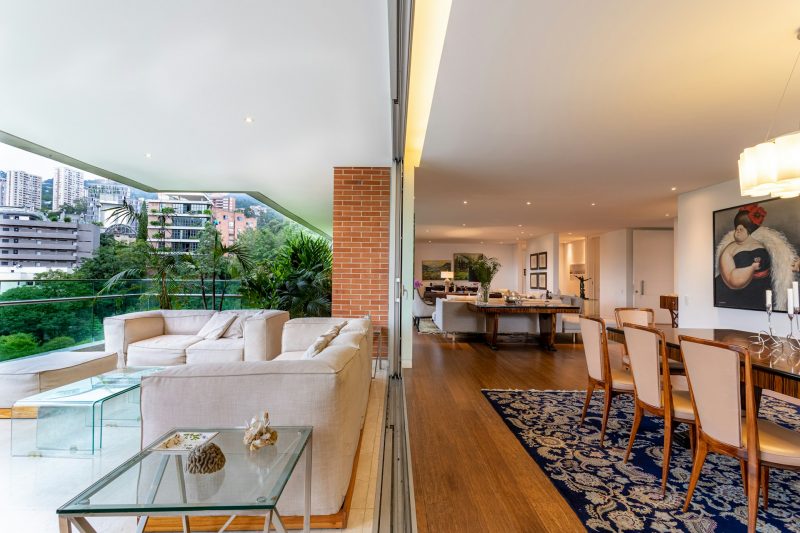
The most successful indoor–outdoor spaces are designed around everyday habits rather than peak entertaining scenarios. This starts with proximity. Locating the outdoor area directly off the kitchen or main living zone, not down a hallway or behind secondary rooms, encourages casual, frequent use.
Ceiling height alignment also matters. When internal living areas and outdoor zones share similar ceiling heights and floor levels, the transition feels natural rather than forced. A small step down or mismatched soffit can psychologically separate the spaces, even when doors are open. Furniture planning is another overlooked step.
Designing the outdoor area with a clear dining or seating configuration in mind ensures it can function without compromise. Buyers who wait until after handover to “see what fits” often discover the space doesn’t comfortably support how they intended to use it.
Orientation, weather, and year-round comfort
In Melbourne and similar climates, orientation is critical. North-facing or well-sheltered outdoor areas are far more likely to be used across seasons, particularly in winter and shoulder months. West-facing spaces may look appealing on paper but can be uncomfortable without adequate shading.
Roof cover depth, not just inclusion, plays a major role. Shallow alfresco roofs provide visual continuity but limited weather protection. Deeper coverage allows for heating, lighting, and genuine year-round use without turning the space into a dark extension of the house.
Wind protection is equally important. Screens, partial walls, or strategic landscaping can significantly improve comfort without fully enclosing the area.
Privacy and connection to the block
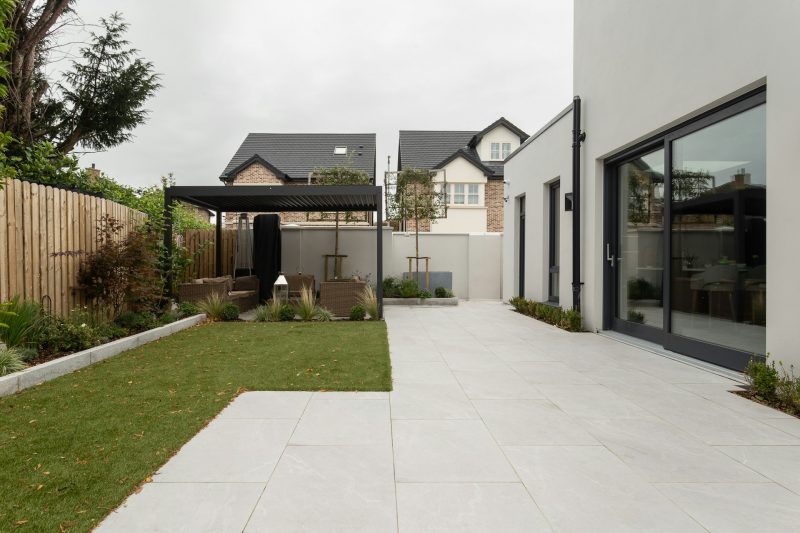
Outdoor spaces need to respond to the block, not ignore it. On narrower lots or higher-density estates, boundary treatments and window placement should be carefully coordinated to avoid overlooking issues. An outdoor area that feels exposed will rarely become part of daily life, regardless of finish quality.
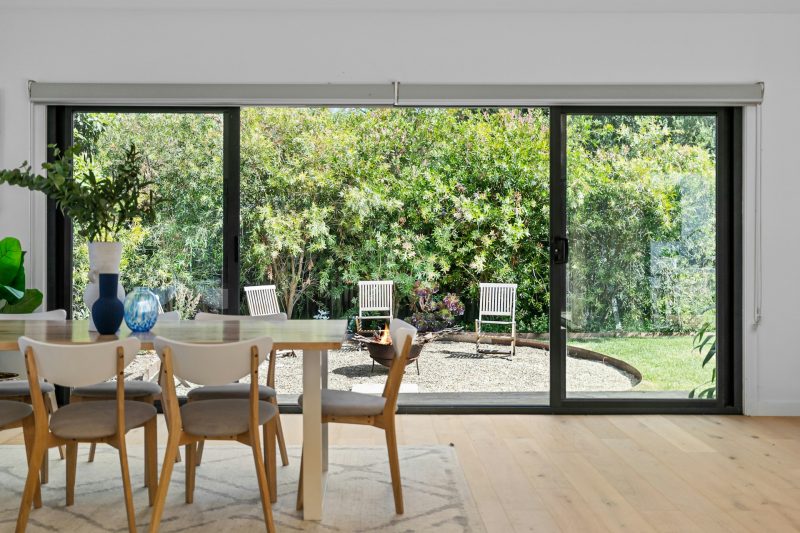
At the same time, visual connection to the yard matters. Outdoor spaces that completely turn inward can feel boxed in, while those that maintain a sightline to greenery, even modest landscaping, tend to feel more inviting and calming.
What buyers should prioritise when reviewing plans
When assessing floor plans or working through a custom design, buyers should look beyond the label “alfresco” and ask a few practical questions:
Can this space be comfortably used with the doors closed, not just open?
Is it positioned where people naturally gather during the day?
Does it work for a normal weeknight meal, not just a weekend gathering?
Will it still feel usable in winter, wind, or light rain?
Indoor–outdoor living works best when it’s treated as a core living zone rather than a lifestyle feature. Homes that get this right don’t rely on oversized openings or expensive finishes, they succeed because the space earns its place in daily life.
For buyers, that distinction can make a meaningful difference to how the home feels long after move-in, and whether the outdoor area becomes a genuine extension of the house or simply another box ticked on a brochure.
Use, not just inclusion
Indoor–outdoor living works best when it’s treated as a genuine extension of daily life rather than a design feature to be admired. The homes where these spaces are used most consistently are rarely the ones with the largest openings or the most elaborate finishes, but those where planning decisions align with how people actually live week to week.
For buyers, the real value lies in recognising that inclusion alone doesn’t guarantee usability. Orientation, connection, weather protection, and privacy all shape whether an outdoor area becomes part of everyday routines or fades into occasional use. For homeowners, small, deliberate choices in how the space is set up and used can often matter more than structural changes.
Ultimately, indoor–outdoor spaces earn their place not by how they look on plans or in marketing imagery, but by how naturally they support the way a household lives once the home is occupied.

iBuildNew Editorial Team
As the specialist voice of Australia’s largest new home building resource, the iBuildNew Editorial Team delivers deep-dive coverage into the house and land sector. From analysing new estate launches to highlighting the country’s leading home designs, we track the building journey to provide clarity for every buyer.