Eight modern home styles defining Australian design in 2025
Australia’s housing landscape is undergoing a quiet transformation: one shaped by shifting lifestyles, economic realities, and an evolving sense of what home means. The James Hardie Modern Homes Forecast 2025 reveals the forces behind this change, charting how technology, climate pressures, and...

Australia’s housing landscape is undergoing a quiet transformation: one shaped by shifting lifestyles, economic realities, and an evolving sense of what home means.
The James Hardie Modern Homes Forecast 2025 reveals the forces behind this change, charting how technology, climate pressures, and wellbeing priorities are reshaping the way Australians design, build, and live.
The report, developed with research experts Fiftyfive5, identifies four key lifestyle drivers, efficiency, wellbeing, flexibility and resilience, now influencing every aspect of modern home design. From smaller yet smarter homes to adaptable spaces for multi-generational living, these themes are shaping eight distinct styles expected to dominate Australian housing in the years ahead.
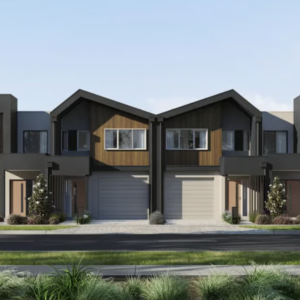
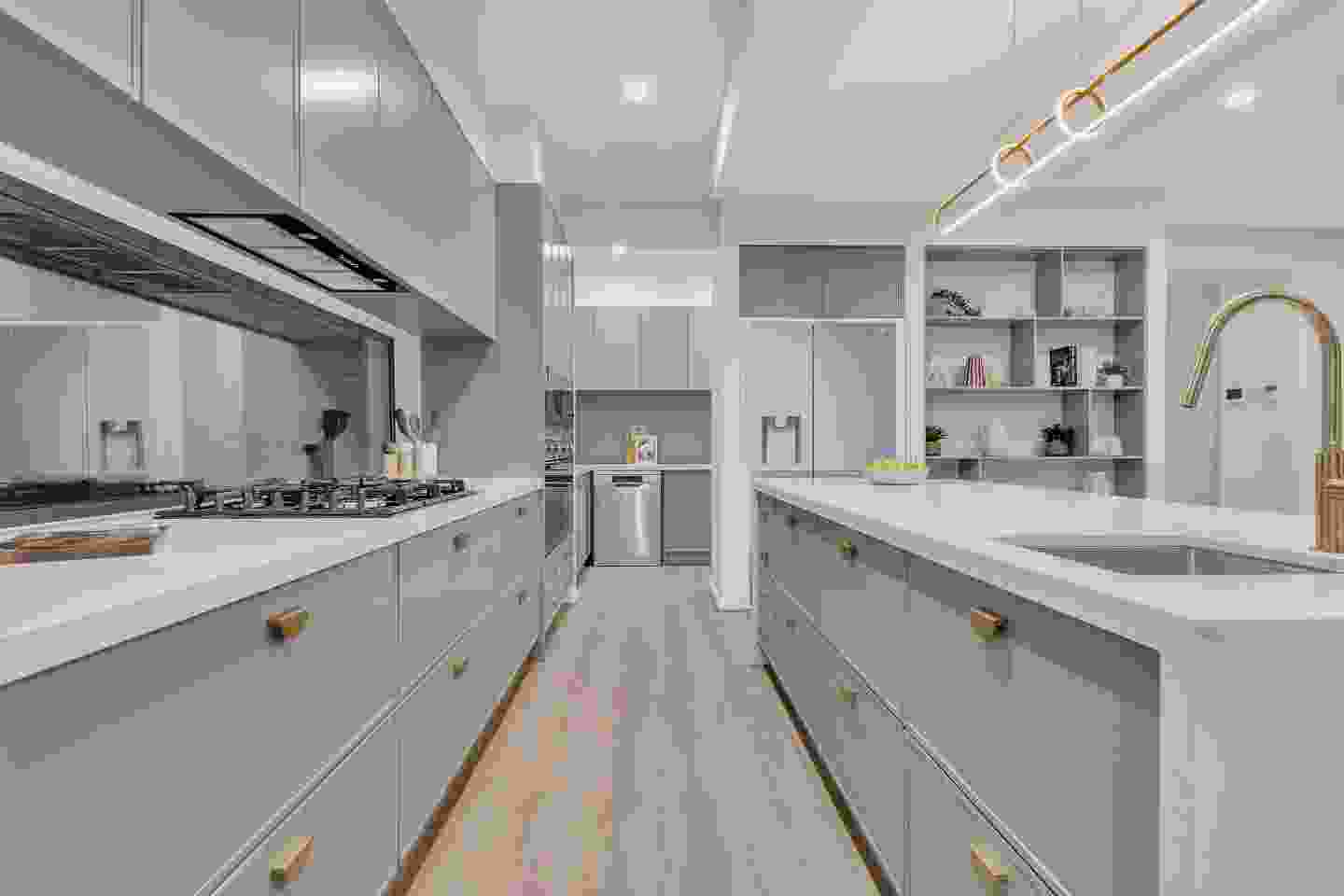
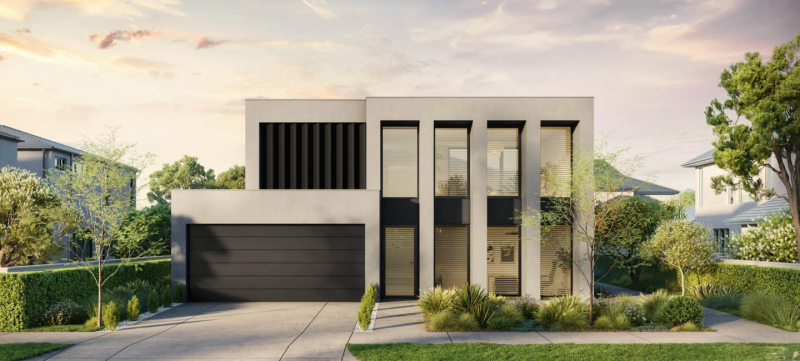 Box Modern - The Tennyson, Tennyson facade by Simonds Homes
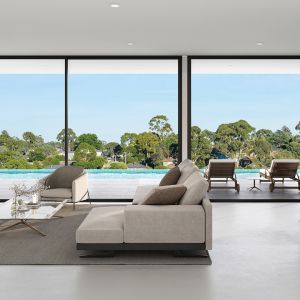
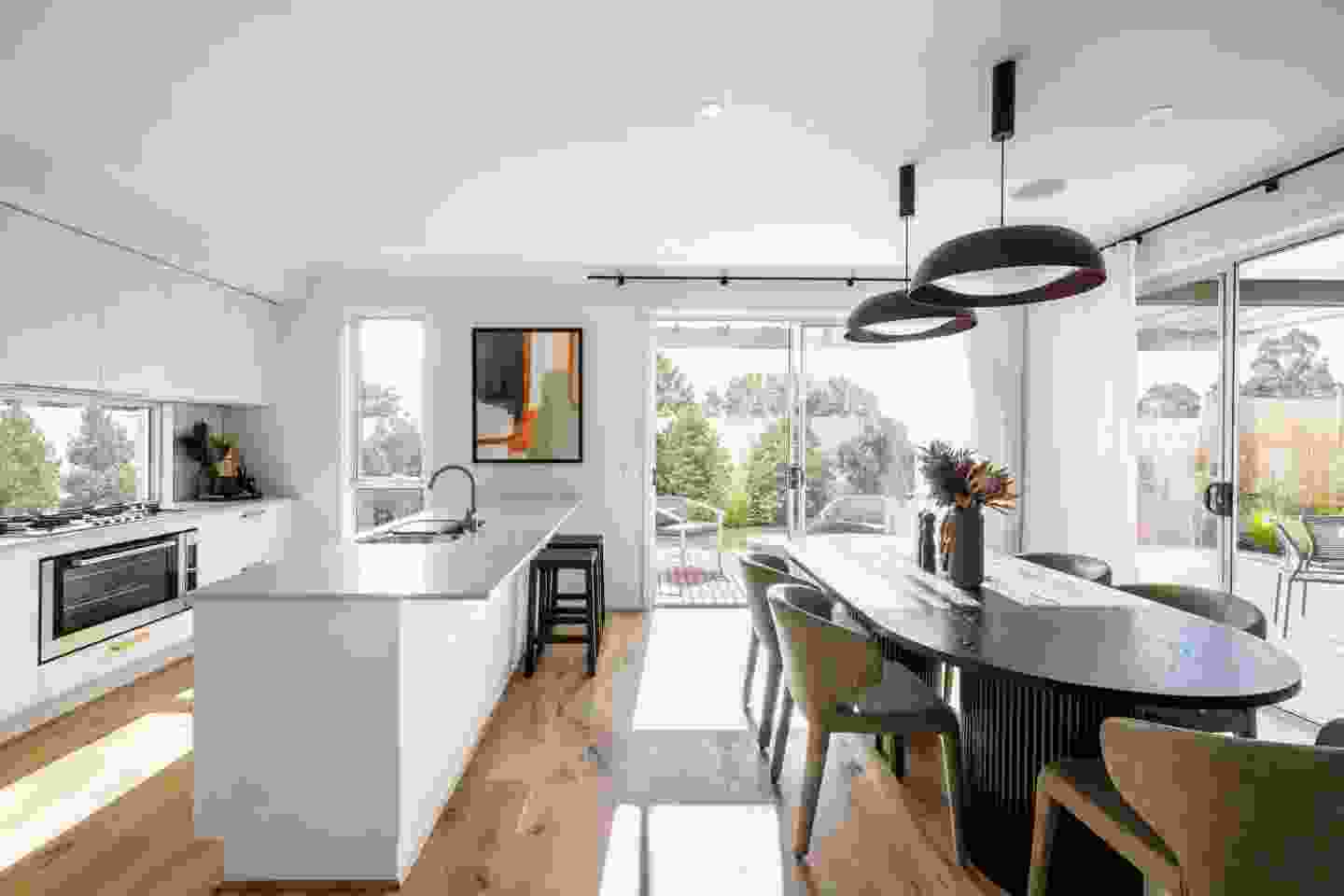
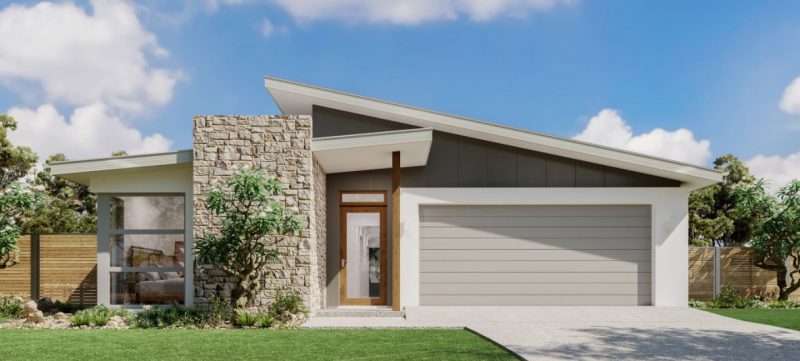 Japandi - Edgewater 219, Beach facade by G.J. Gardner Homes
On a local level, the Australian home is now expected to be more connected, sustainable, and inclusive. With one in three Australians experiencing loneliness, design is increasingly centred on wellbeing and connection - through light-filled interiors, green outlooks, and spaces that encourage togetherness. At the same time, affordability and housing shortages are driving renewed interest in modular and prefabricated construction, while multi-generational living continues to rise, projected to reach one in three households by 2041.
Japandi - Edgewater 219, Beach facade by G.J. Gardner Homes
On a local level, the Australian home is now expected to be more connected, sustainable, and inclusive. With one in three Australians experiencing loneliness, design is increasingly centred on wellbeing and connection - through light-filled interiors, green outlooks, and spaces that encourage togetherness. At the same time, affordability and housing shortages are driving renewed interest in modular and prefabricated construction, while multi-generational living continues to rise, projected to reach one in three households by 2041.
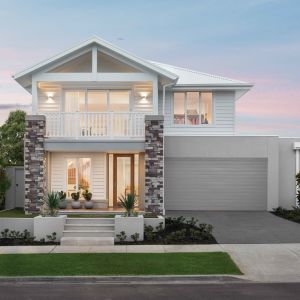
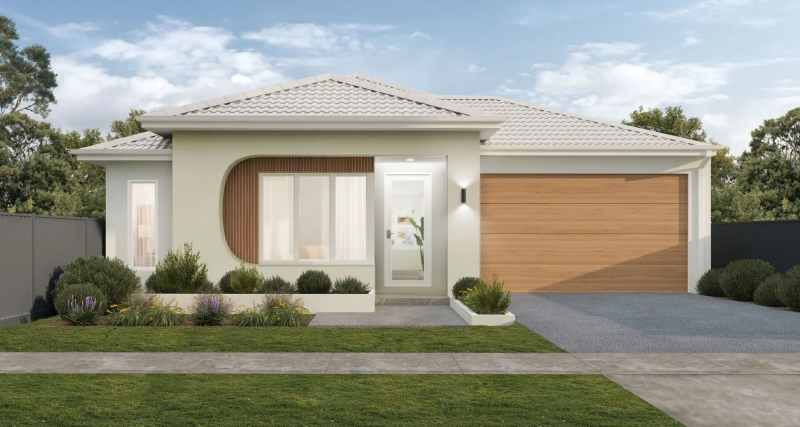 Modern Coastal - Amalfi facade by Ridgewater Homes
Each style expresses the four lifestyle themes differently:
Modern Coastal - Amalfi facade by Ridgewater Homes
Each style expresses the four lifestyle themes differently:
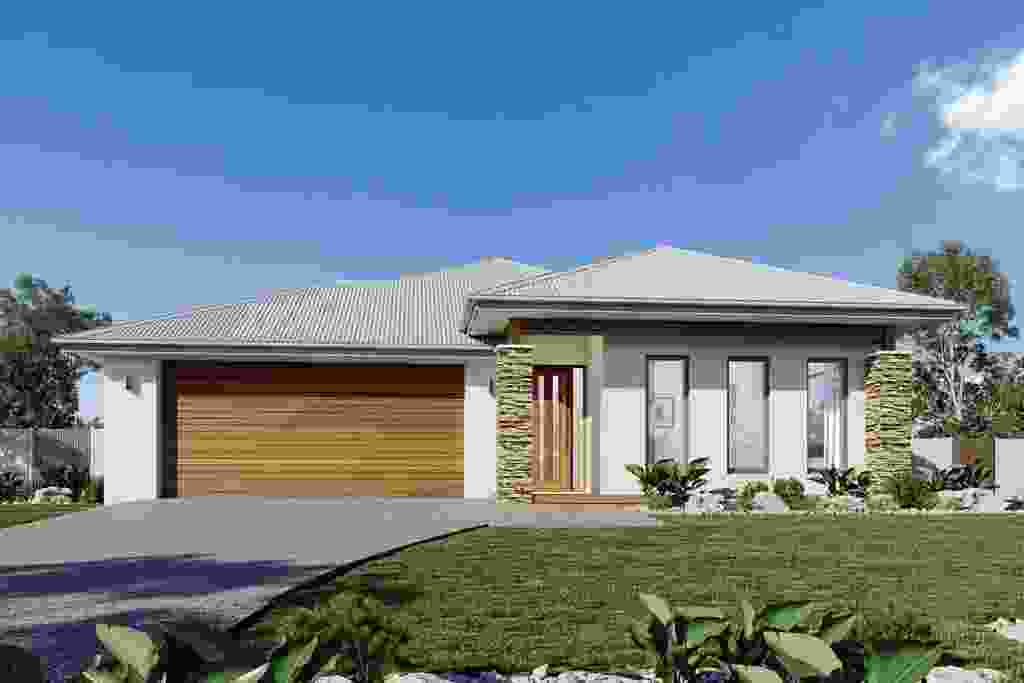
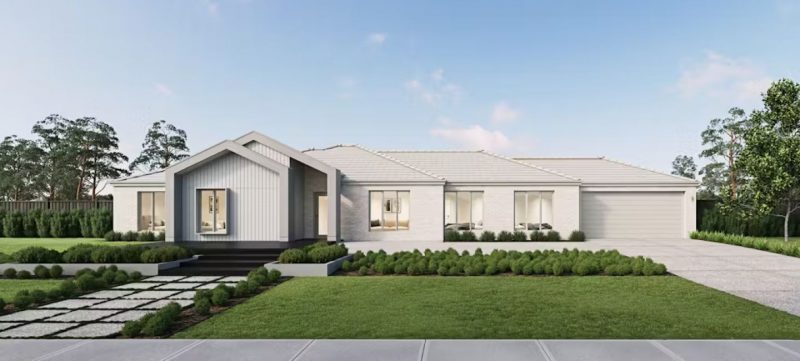 Modern Farmhouse - Kalarney 29A, Summit facade by Metricon
Buyers, too, are driving change. Research shows that 87 per cent of homebuyers are willing to pay more for energy-efficient or sustainable features such as solar panels and better insulation. Homes that prioritise passive design, flexible layouts and biophilic principles are not just more liveable, they’re increasingly seen as future-proof investments.
Modern Farmhouse - Kalarney 29A, Summit facade by Metricon
Buyers, too, are driving change. Research shows that 87 per cent of homebuyers are willing to pay more for energy-efficient or sustainable features such as solar panels and better insulation. Homes that prioritise passive design, flexible layouts and biophilic principles are not just more liveable, they’re increasingly seen as future-proof investments.
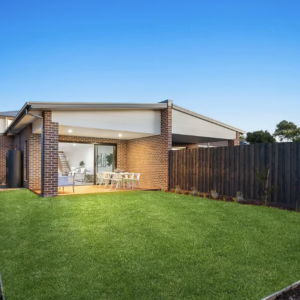
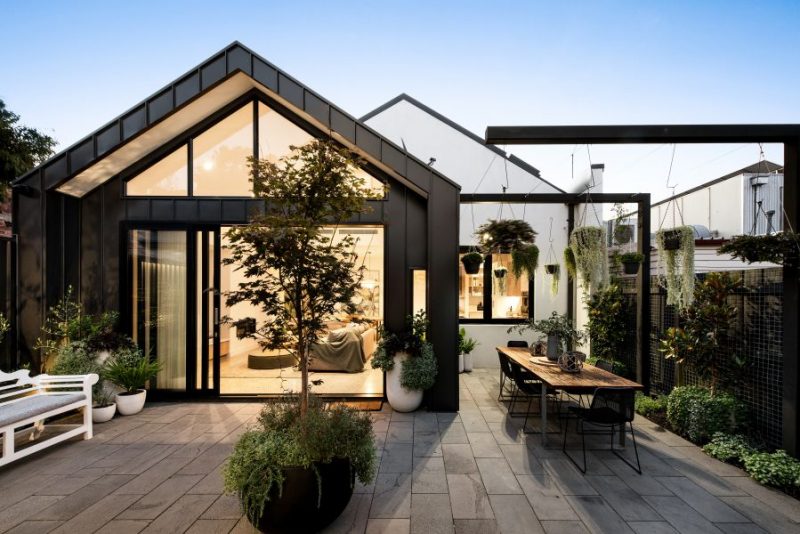 Barn - Luxury house in Northcote by Blueline Construction
For buyers, these trends signal greater choice and customisation, from modular pods to adaptable zones and curated materials that suit Australian conditions. Homes are no longer just backdrops for living, but frameworks for wellbeing, flexibility and longevity.
As design expert Neale Whitaker notes in the forecast foreword, “Flexible and resilient homes that serve more people and more purposes, homes designed for every budget, and spaces that inspire creativity, are at the forefront of this vision.”
Barn - Luxury house in Northcote by Blueline Construction
For buyers, these trends signal greater choice and customisation, from modular pods to adaptable zones and curated materials that suit Australian conditions. Homes are no longer just backdrops for living, but frameworks for wellbeing, flexibility and longevity.
As design expert Neale Whitaker notes in the forecast foreword, “Flexible and resilient homes that serve more people and more purposes, homes designed for every budget, and spaces that inspire creativity, are at the forefront of this vision.”
Box Modern - The Tennyson, Tennyson facade by Simonds Homes
The forces shaping tomorrow’s homes
According to the forecast, global and local factors, from the rapid rise of AI and the effects of climate change to cost-of-living pressures and population growth, are collectively redefining housing expectations. Disruption across industries has surged 183 per cent since 2019, with homeowners increasingly seeking stability, safety and adaptability in uncertain times. “Homes are being designed with this in mind, offering a sense of stability and comfort in an ever-changing world,” the report notes. Japandi - Edgewater 219, Beach facade by G.J. Gardner Homes
On a local level, the Australian home is now expected to be more connected, sustainable, and inclusive. With one in three Australians experiencing loneliness, design is increasingly centred on wellbeing and connection - through light-filled interiors, green outlooks, and spaces that encourage togetherness. At the same time, affordability and housing shortages are driving renewed interest in modular and prefabricated construction, while multi-generational living continues to rise, projected to reach one in three households by 2041.
The eight styles defining 2025
James Hardie’s 2025 Forecast refines seven popular modern home styles and introduces one new entrant: Modern Classical, a design blending neoclassical architecture with Mediterranean-inspired curves and warmth. Modern Coastal - Amalfi facade by Ridgewater Homes
Each style expresses the four lifestyle themes differently:
- Box Modern - minimalist, modular homes that emphasise flexibility and privacy.
- Modern Farmhouse - rustic warmth meets functional simplicity, designed for family and multi-generational living.
- Modern Heritage - reimagined character homes combining history with sustainability.
- Barn - pared-back silhouettes with high ceilings and adaptive layouts.
- Japandi - calm, nature-inspired minimalism drawn from Japanese and Scandinavian sensibilities.
- Modern Coastal - bright, open-plan designs made for connection to light, air and landscape.
- Mid-Century Modern - low-profile, solar-conscious homes marrying nostalgia with efficiency.
- Modern Classical - elegant and resilient, uniting timeless form with contemporary materials.
Why these trends matter
The report highlights how technological innovation and environmental responsibility are now inseparable from good design. Seventy per cent of architects are already using AI in their practice, unlocking new creative possibilities and faster, more personalised design processes. Meanwhile, resilience is fast becoming a non-negotiable, with one in 25 Australian homes projected to be uninsurable by 2030 due to climate risk. Modern Farmhouse - Kalarney 29A, Summit facade by Metricon
Buyers, too, are driving change. Research shows that 87 per cent of homebuyers are willing to pay more for energy-efficient or sustainable features such as solar panels and better insulation. Homes that prioritise passive design, flexible layouts and biophilic principles are not just more liveable, they’re increasingly seen as future-proof investments.
For builders and buyers alike
For builders, the implications are clear: design efficiency and construction innovation will define competitiveness in the next decade. With an average of 247 construction companies becoming insolvent each month during 2023–24, the industry is under pressure to deliver affordable, high-performing, and resilient homes at scale. Barn - Luxury house in Northcote by Blueline Construction
For buyers, these trends signal greater choice and customisation, from modular pods to adaptable zones and curated materials that suit Australian conditions. Homes are no longer just backdrops for living, but frameworks for wellbeing, flexibility and longevity.
As design expert Neale Whitaker notes in the forecast foreword, “Flexible and resilient homes that serve more people and more purposes, homes designed for every budget, and spaces that inspire creativity, are at the forefront of this vision.”
The takeaway
The Australian home is evolving: smaller, smarter, and more connected to both people and place. The Modern Homes Forecast 2025 suggests that tomorrow’s most desirable homes will be those that balance beauty with purpose, pairing design aspiration with the practical realities of modern living. For builders, that means embracing innovation and efficiency. For buyers, it means reimagining what “home” can be: adaptable, nurturing, and built to last.
iBuildNew Editorial Team
As the specialist voice of Australia’s largest new home building resource, the iBuildNew Editorial Team delivers deep-dive coverage into the house and land sector. From analysing new estate launches to highlighting the country’s leading home designs, we track the building journey to provide clarity for every buyer.