Make Your Home Eco-Friendly, Sustainable and Economical

Today, when you are searching for new house designs, most of the big companies are proudly advertising their eco-friendly business models, one may ask what sustainable building is all about. First, sustainable or green buildings have a reduced environmental footprint. Secondly, they consume much fewer resources – most importantly, electric energy. And finally, by using less energy, sustainable homes can save you a lot of money in the long run. Even if you already have a home, you can upgrade it to be more environmentally friendly. Here are a few ideas.
Turn on your thinking bulbAccording to Mike Dietrich, CEO of Renew & Sustain Consulting, lighting makes up to 12 per cent of energy consumption in an average American home. Replacing the existing bulbs with energy-efficient ones can reduce the next month’s energy bill. A halogen light bulb costs about $13.25 per year, provided that it burns for 2000 hours. A LED bulb, on the other hand, costs $1.87 for the same amount of burn hours. Therefore, just by replacing all your halogens with LEDs, you can make up to 86 per cent savings. While many people are still deterred from buying LEDs, as they cost twice as much as halogen bulbs, they are worth the investment. And the best part is that a LED bulb lasts for 45,000 hours, while a halogen’s life expectancy is about 3,000 hours. For 15 times the lifespan, you can save $150 in the replacement costs alone.Watch the efficiency starsMore likely than not, the appliances in your home are 10-15 years old. They may have been the best choice back then, but now, there are many more energy-efficient options. The Energy Star certificate standardises energy-efficient appliances that use about 60-80 per cent less energy than their predecessors. Therefore, upgrading your oven, dishwasher or fridge doesn’t only make sense because of their old age, but also because it will help you reduce the amount of energy your home uses. Is there anybody home?
If the lighting costs weren’t surprising enough, listen to this – heating and cooling make up to 46 per cent of the energy bill. Today’s HVAC systems are powerful enough, and in combination with good insulation, there is no need for one to be running when there is no one at home. Buy a programmable thermostat and whenever the last person leaves home for work, errands or holidays, lower the temperature by 5 degrees. Not only will you reduce the carbon emissions, but you’ll also save up to 15 per cent on your heating.
Cracks and leaking billsIf you are building a home or buying a newly built home, an energy audit would be a smart thing to do. Using thermo-visual equipment, the inspector will ‘shoot’ your house from all the angles to see if there are any significant leaks. The audit can show you if your roof is leaking, or if you have any deficiencies in electrical elements. Most importantly, it will tell you how well insulated your house is. The most effective and the easiest method of insulating or making improvements to your existing insulation is to use spray foam. You can apply it in cracks around the door and window frames. As a result, your house will be sealed better and thus more comfortable during both summer and winter.Growing sustainableEven small gardens can improve your home’s sustainability. Squash, cucumbers, tomatoes, and green beans are just some of the plants that use vertical space, which makes them suitable for backyard gardens. Growing your food is cheaper and in many cases healthier. Having a vegetable garden also helps with absorbing the stormwater runoff. The problem with stormwater is that it gathers sediments and pollutants from the air, which can find their way into natural waterways. By using grass pavers in the backyard, you prevent grass roots from compacting, thus making your turf more porous and able to recycle more rainwater.
Is there anybody home?
If the lighting costs weren’t surprising enough, listen to this – heating and cooling make up to 46 per cent of the energy bill. Today’s HVAC systems are powerful enough, and in combination with good insulation, there is no need for one to be running when there is no one at home. Buy a programmable thermostat and whenever the last person leaves home for work, errands or holidays, lower the temperature by 5 degrees. Not only will you reduce the carbon emissions, but you’ll also save up to 15 per cent on your heating.
Cracks and leaking billsIf you are building a home or buying a newly built home, an energy audit would be a smart thing to do. Using thermo-visual equipment, the inspector will ‘shoot’ your house from all the angles to see if there are any significant leaks. The audit can show you if your roof is leaking, or if you have any deficiencies in electrical elements. Most importantly, it will tell you how well insulated your house is. The most effective and the easiest method of insulating or making improvements to your existing insulation is to use spray foam. You can apply it in cracks around the door and window frames. As a result, your house will be sealed better and thus more comfortable during both summer and winter.Growing sustainableEven small gardens can improve your home’s sustainability. Squash, cucumbers, tomatoes, and green beans are just some of the plants that use vertical space, which makes them suitable for backyard gardens. Growing your food is cheaper and in many cases healthier. Having a vegetable garden also helps with absorbing the stormwater runoff. The problem with stormwater is that it gathers sediments and pollutants from the air, which can find their way into natural waterways. By using grass pavers in the backyard, you prevent grass roots from compacting, thus making your turf more porous and able to recycle more rainwater.
Is there anybody home?
If the lighting costs weren’t surprising enough, listen to this – heating and cooling make up to 46 per cent of the energy bill. Today’s HVAC systems are powerful enough, and in combination with good insulation, there is no need for one to be running when there is no one at home. Buy a programmable thermostat and whenever the last person leaves home for work, errands or holidays, lower the temperature by 5 degrees. Not only will you reduce the carbon emissions, but you’ll also save up to 15 per cent on your heating.
Cracks and leaking billsIf you are building a home or buying a newly built home, an energy audit would be a smart thing to do. Using thermo-visual equipment, the inspector will ‘shoot’ your house from all the angles to see if there are any significant leaks. The audit can show you if your roof is leaking, or if you have any deficiencies in electrical elements. Most importantly, it will tell you how well insulated your house is. The most effective and the easiest method of insulating or making improvements to your existing insulation is to use spray foam. You can apply it in cracks around the door and window frames. As a result, your house will be sealed better and thus more comfortable during both summer and winter.Growing sustainableEven small gardens can improve your home’s sustainability. Squash, cucumbers, tomatoes, and green beans are just some of the plants that use vertical space, which makes them suitable for backyard gardens. Growing your food is cheaper and in many cases healthier. Having a vegetable garden also helps with absorbing the stormwater runoff. The problem with stormwater is that it gathers sediments and pollutants from the air, which can find their way into natural waterways. By using grass pavers in the backyard, you prevent grass roots from compacting, thus making your turf more porous and able to recycle more rainwater.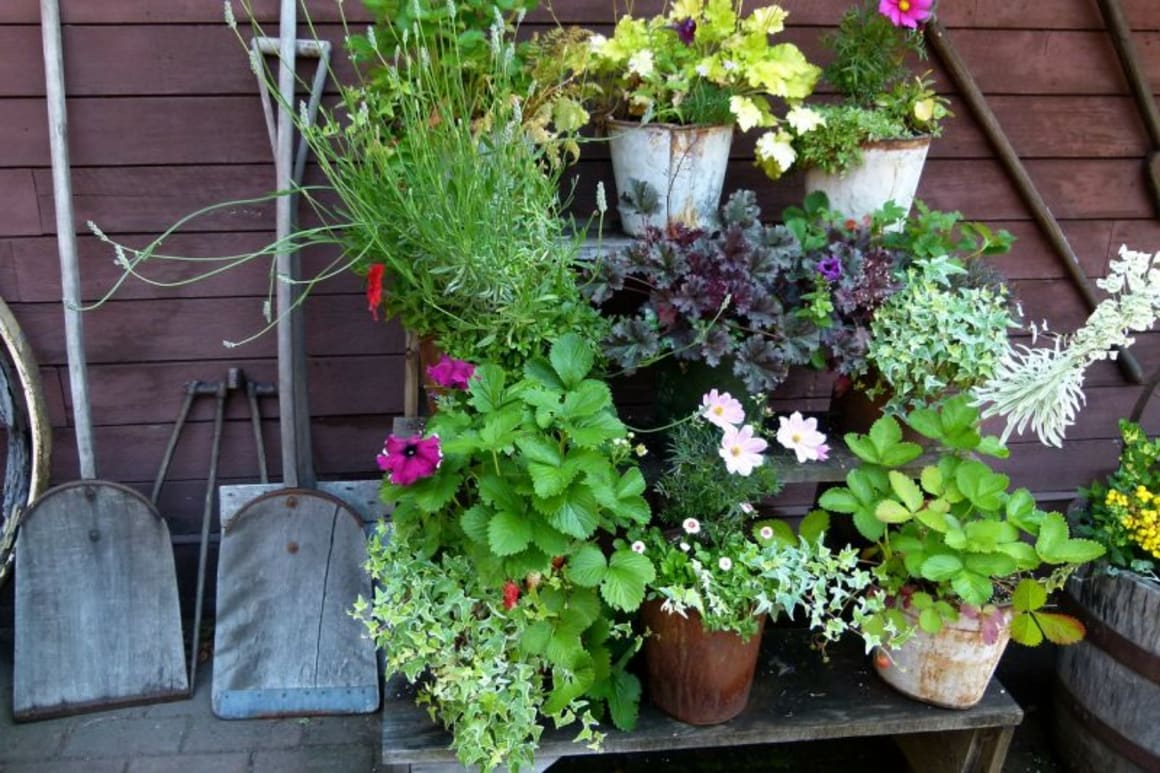

Joel Robinson
Joel Robinson is the Editor in Chief at iBuildNew, where he leads the editorial team and oversees the country's most comprehensive news coverage dedicated to the new home building industry. With more than a decade of experience in residential real estate journalism, Joel brings deep insight into Australia's evolving home building and construction landscape.