Building a New Home with Solar Energy: Pros and Cons

Thinking of building a new home with solar energy system? We take a look at how solar panels measure up against other home energy saving ideas.
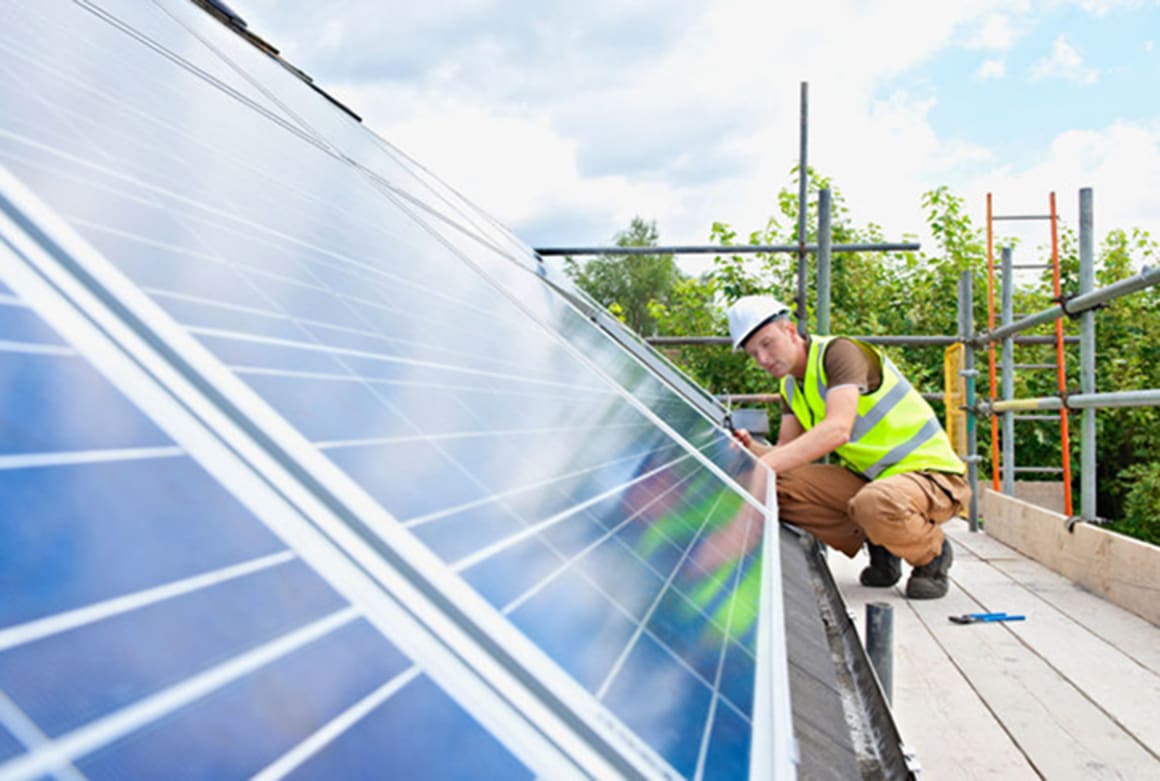 With an abundant supply of sunshine in Australia and power bills rising year after year, installing solar panels might seem like the best energy saving idea when building a new home. But the upfront installation costs of solar energy systems are expected to fall sharply in coming years, so it may be worth looking at other energy efficient options when building a new home.
With an abundant supply of sunshine in Australia and power bills rising year after year, installing solar panels might seem like the best energy saving idea when building a new home. But the upfront installation costs of solar energy systems are expected to fall sharply in coming years, so it may be worth looking at other energy efficient options when building a new home.
How does solar power work?
The most common type of solar photovoltaic (PV) system is grid-connected. Rooftop panels are installed with an inverter that converts solar power from DC (direct current) to AC (alternating current). Your home uses the solar system as its primary power source, relying on the grid as a back-up. Or you can invest in one of the latest battery storage units to stockpile power from your solar PV system to draw on at night, or when there is extra demand for electricity. As well as saving on household bills, you can actually make money from your solar PV system. A feed-in tariff is an amount you’ll receive for power that goes back into the grid from your system. Tariffs vary depending on your state government and electricity retailer, so it’s worth researching how much you can expect to receive when you’re deciding what system to buy. Learn more about Solar PV SystemsDoes building a new home with a solar PV system add value?
If you're considering in selling your new build home in the near future, you'll want to make sure that the system adds value. The arguments and dollars might seem to be stacked in favour of solar energy as a selling point for future buyers. They could save on bills or may even make the money back from energy suppliers without having to install the system themselves. On the other hand, if you are not planning to sell your home for a few years, it will take time to recoup the costs through saving on energy bills. Solar technology is constantly being updated, so a system you install now may be considered inefficient when you come to sell. Based on recent research, the price of solar energy solutions is expected to fall at a steep rate over the next 5-10 years. This could mean that future buyers are unwilling to pay over the odds for a home with solar power, when they can add brand new solar technology to an existing property for a fraction of today's prices.More ideas for energy-efficient new homes
Before taking on a major upgrade such as a solar PV installation, it’s worth looking at ways to introduce sustainable design and passive solar features to your home. Installing shutters or blinds to keep heat out/in, or choosing double or even triple glazing can have a significant impact on energy consumption, especially in more extreme climates. Updating your lighting technology and appliances with more energy efficient options could also make a difference to the power you use at home.Related Articles:
Passive Heating & Cooling Hacks for Building a New Home
Eliminate hidden costs, become the expert on inclusions
4 Construction Trends You Need To Know

Joel Robinson
Joel Robinson is the Editor in Chief at iBuildNew, where he leads the editorial team and oversees the country's most comprehensive news coverage dedicated to the new home building industry. With more than a decade of experience in residential real estate journalism, Joel brings deep insight into Australia's evolving home building and construction landscape.