Can you really replicate a display home? Behind the upgrades and extras
Display homes remain one of the most persuasive tools in residential construction, not because they mislead buyers, but because they compress dozens of design decisions into a single, highly resolved experience. Walk through one, and it’s easy to assume what you’re seeing is broadly achievable within a standard build price.
In reality, some display homes are closer to a design maximum than a default outcome. Understanding where a display home diverges from a contract build is critical for buyers who want clarity before signing, rather than surprises once selections begin.
What a display home is actually designed to do
A display home is not a neutral example of a builder’s typical work. It is deliberately curated to show the upper limits of layout efficiency, finish quality, and visual cohesion within a given product range. That usually means:
Premium façade treatments that exceed standard allowances
Ceiling heights, window sizes, and structural options selected for visual impact
Joinery, lighting, and finishes chosen for consistency rather than budget balance
A practical step buyers often overlook is asking this question while walking through the display: which elements are standard, and which are upgrades? Most builders can point these out on the spot or refer to a display inclusion list, helping buyers separate structural decisions from styling choices before assumptions set in. None of this is inherently problematic, but it does mean the display home is rarely priced as-built in the base package.
Where the gaps usually appear
The most common misunderstandings arise not from one large upgrade, but from many smaller inclusions that compound quickly.
Structural and spatial upgrades Increased ceiling heights, wider openings, raked ceilings, or extended alfresco areas often sit outside base pricing. These changes affect engineering, materials, and sometimes planning approvals, making them costly to add retrospectively.
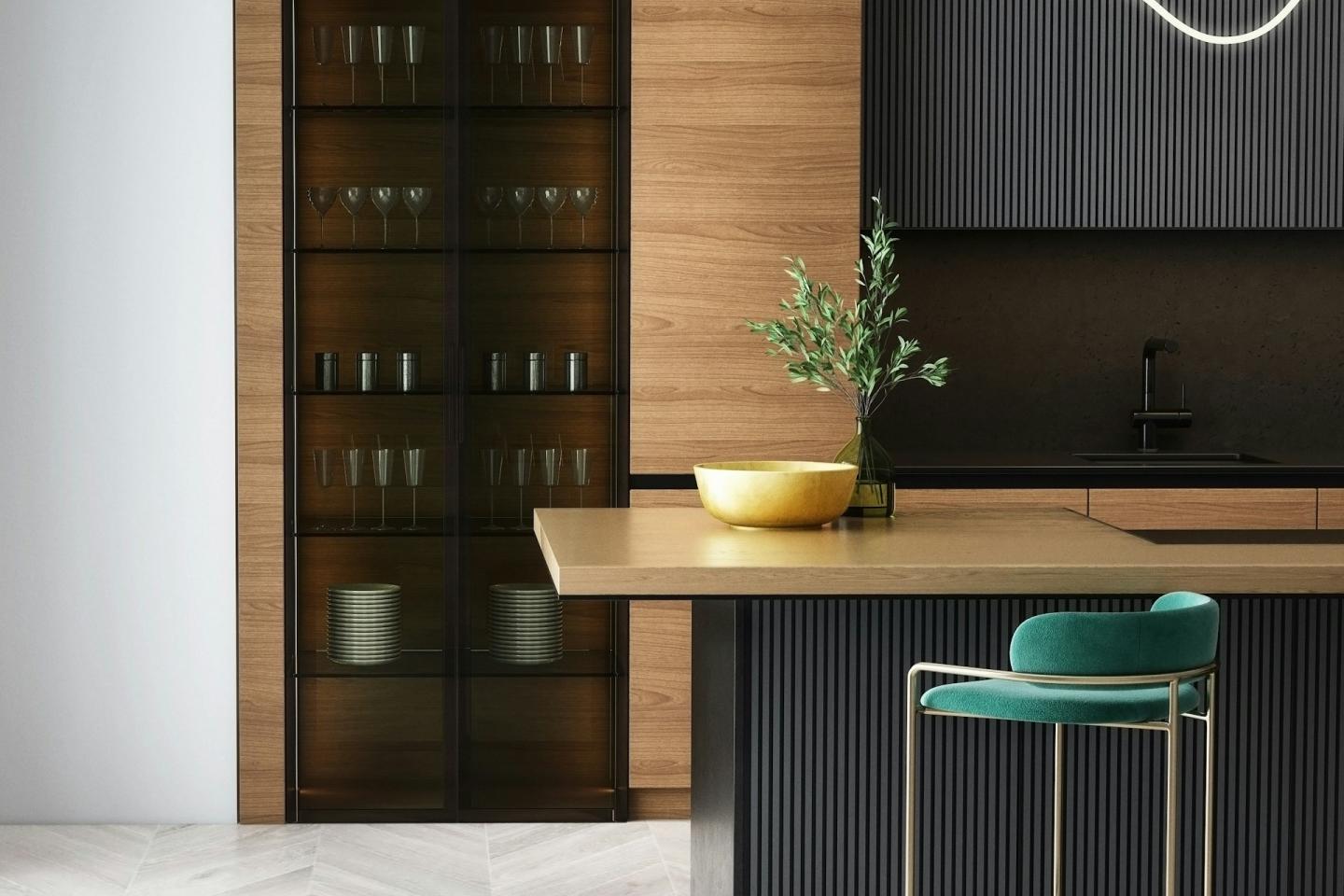
Joinery and storage Display homes typically include fully fitted joinery: extended kitchen cabinetry, feature shelving, walk-in robes with detailed fit-outs, and laundry storage that exceeds standard specifications. Base inclusions may provide the footprint, but not the finish.
Electrical and lighting design Feature lighting, layered lighting plans, additional power points, and smart home pre-wiring are rarely standard. Display homes are lit to flatter the space, not to demonstrate minimum compliance.
Fixtures, fittings, and surfaces Stone thickness, tapware ranges, splashback materials, flooring continuity, and bathroom detailing are often upgraded across the entire home in displays. Individually modest, collectively significant.
Can you replicate it exactly?
Technically, yes, most builders can price a home to match a display specification. Practically, few buyers do so without adjustment. The real constraint is not feasibility, but budget alignment. Display homes are often built to showcase value at a higher spend level than the advertised starting price. Replicating them requires either:
Accepting a higher overall contract price, or
Making conscious trade-offs elsewhere in the home
Buyers who attempt to “match the display” item by item without prioritisation often experience cost escalation late in the process.
The smarter approach: reverse-engineering the display
Rather than asking whether a display can be replicated wholesale, more experienced buyers ask which elements actually matter to them. This usually involves:
Identifying structural upgrades that affect long-term livability (ceiling height, room proportions, light)
Separating visual styling from permanent construction decisions
Requesting a full display inclusion list early, not after initial pricing
Understanding what is standard, optional, and excluded, in writing
The goal is not to downgrade expectations, but to translate the display into a version of the home that aligns with how the buyer plans to live, not how the builder plans to present.
Why this matters before you sign
The largest risk with display homes isn’t that they include upgrades, it’s that buyers assume those upgrades are already accounted for.
Once contracts are signed, flexibility narrows, and variations become more expensive and more difficult to evaluate objectively. Buyers who treat the display as a reference point rather than a promise are better positioned to control both cost and outcome.
In that sense, the most useful question isn’t “Can I replicate this display home?” It’s “Which parts of this display are worth paying for, and which only matter in a showroom?”

Joel Robinson
Joel Robinson is the Editor in Chief at iBuildNew, where he leads the editorial team and oversees the country's most comprehensive news coverage dedicated to the new home building industry. With more than a decade of experience in residential real estate journalism, Joel brings deep insight into Australia's evolving home building and construction landscape.