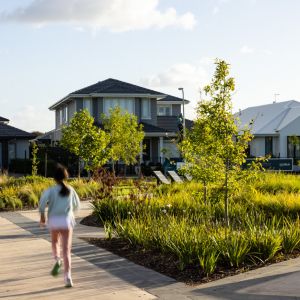
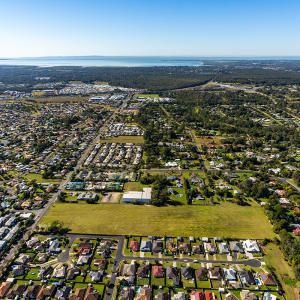
Eco-Friendly, Low-Impact Renovations: Building for a Greener Future

Home renovations are a chance to improve more than just the look and feel of your property—they’re an opportunity to reduce environmental impact, cut long-term running costs, and create a healthier home.
In Australia, where climate change is bringing hotter summers, heavier rain events, and increased bushfire risks, eco-friendly renovations are more than a trend—they’re a responsibility.
This guide explores how to approach low-impact renovations with sustainability, efficiency, and comfort in mind.
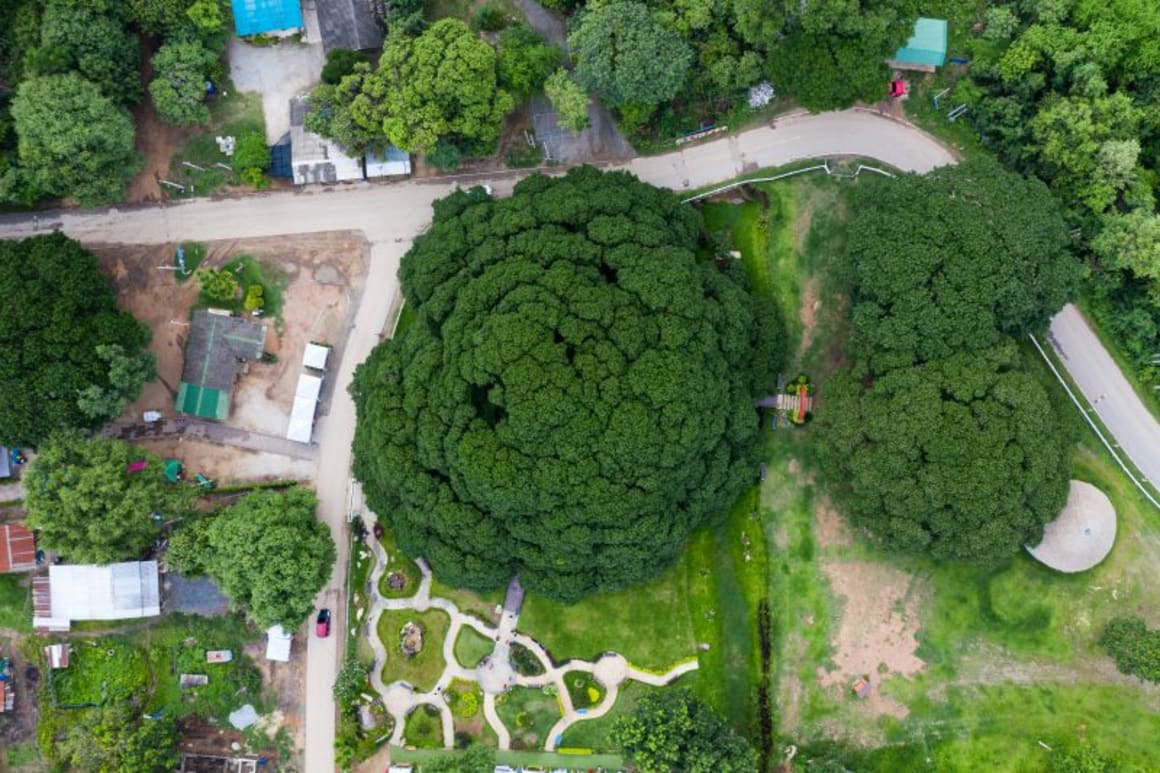
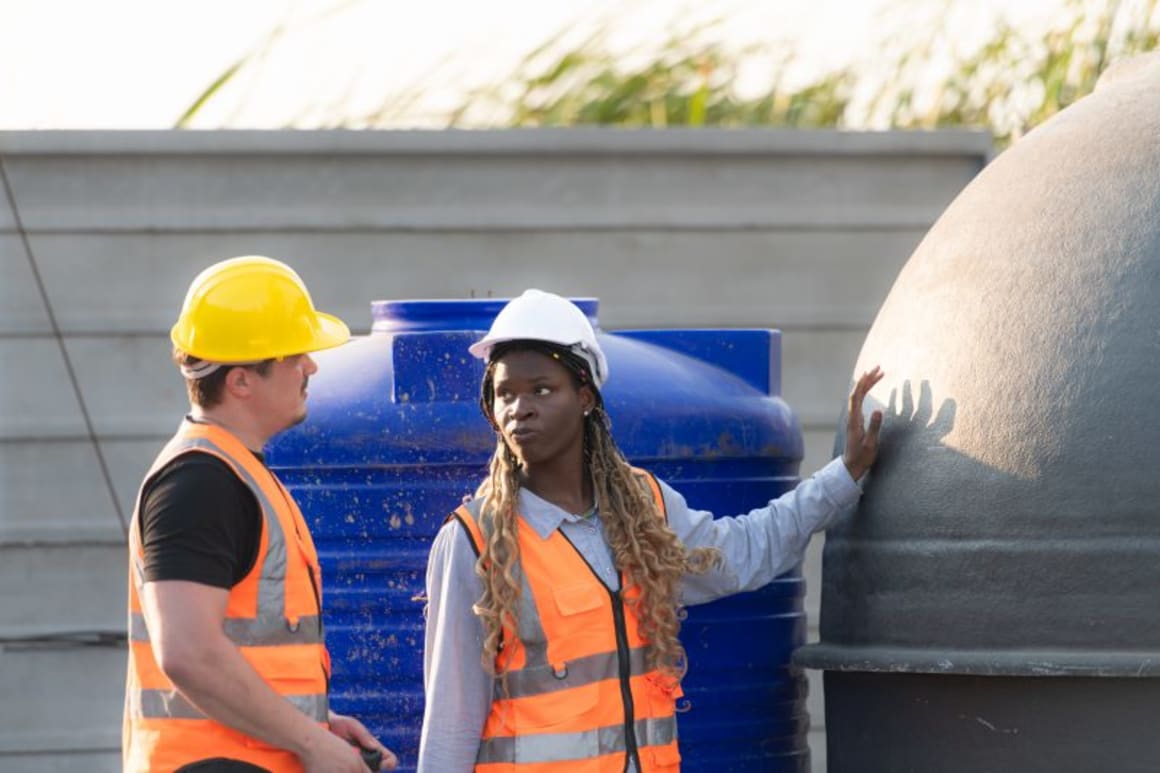
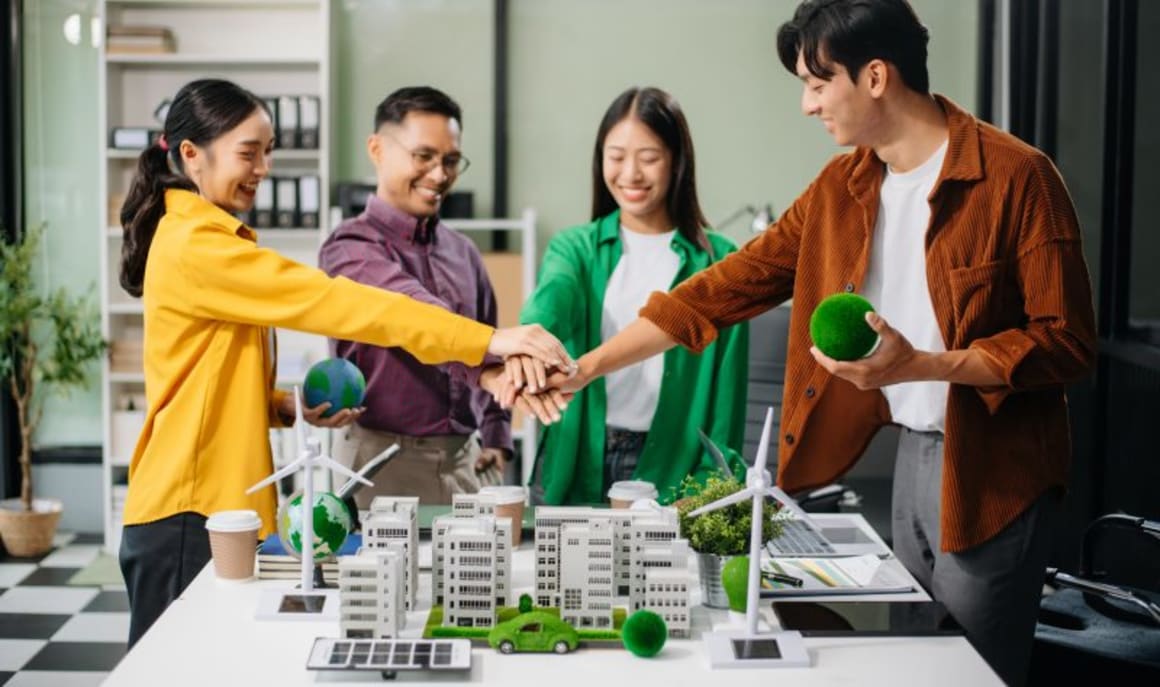 Eco-friendly renovations are an investment in your home’s comfort, value, and the planet’s wellbeing. By planning carefully, choosing sustainable materials, and using innovative building techniques, you can create a home that’s energy-efficient, water-wise, and designed to thrive in Australia’s climate.
The most sustainable renovation is one that balances style with environmental responsibility — minimising impact today while maximising benefits for tomorrow.
Eco-friendly renovations are an investment in your home’s comfort, value, and the planet’s wellbeing. By planning carefully, choosing sustainable materials, and using innovative building techniques, you can create a home that’s energy-efficient, water-wise, and designed to thrive in Australia’s climate.
The most sustainable renovation is one that balances style with environmental responsibility — minimising impact today while maximising benefits for tomorrow.
Understanding the Risks and Benefits
Before picking up the hammer or calling a contractor, it’s important to weigh the environmental benefits against potential challenges.Environmental Impact
- Reduced resource use – Using recycled, reclaimed, or sustainably sourced materials lessens demand on natural resources.
- Lower carbon footprint – Energy-efficient upgrades cut greenhouse gas emissions over the life of your home.
Health and Comfort Benefits
- Improved indoor air quality – Low-VOC (volatile organic compound) paints, finishes, and adhesives prevent toxic fumes.
- Temperature control – Better insulation and passive design reduce temperature extremes, making the home more comfortable.
Common Challenges
- Upfront costs – Sustainable materials and specialised trades can cost more initially, but usually pay for themselves through lower utility bills.
- Sourcing materials – Locating reclaimed timber, recycled bricks, or eco-certified products can take time and research.
Site Selection and Preparation (For Larger Renovations)
If your renovation involves a significant extension or rebuild, the positioning and preparation of your site matter greatly.Orientation and Passive Solar Design
In Australia, the ideal orientation maximises winter sun (north-facing living areas) and minimises summer heat gain (through shading, eaves, and vegetation).Minimising Land Disturbance
Preserve existing trees where possible—these provide natural shade, reduce erosion, and support biodiversity. Avoid unnecessary excavation to reduce soil disruption and protect drainage patterns.Sustainable Materials and Resource Use
Selecting materials with a low environmental impact is key to an eco-friendly renovation.Recycled and Reclaimed Materials
- Recycled timber – Durable and full of character, perfect for flooring, beams, and furniture.
- Reclaimed bricks – Provide a rustic aesthetic while saving resources.
Eco-Certified Products
Look for materials with certification such as FSC (Forest Stewardship Council) timber or Global GreenTag products to ensure responsible sourcing.Local and Low-Transport Options
Sourcing materials locally reduces transport emissions and supports the local economy.Energy and Water Efficiency Upgrades
Renovations present the perfect time to integrate high-performance systems.Energy Efficiency
Renovations are the perfect time to install systems that make your home more energy-efficient and cost-effective.- Solar panels with battery storage – Reduce grid reliance and protect against rising electricity prices.
- LED lighting – Consumes up to 80% less energy than traditional bulbs.
- Upgraded insulation – Roof, wall, and underfloor insulation can dramatically cut heating and cooling needs.
Water Conservation
- Rainwater tanks – Supply water for toilets, laundry, and gardens.
- Greywater recycling – Reuse water from showers and sinks for irrigation.
- Low-flow fixtures – Reduce water waste without compromising performance.
Innovative Building Techniques
Sustainability isn’t just about materials — it’s also about how you build.- Modular and prefabricated extensions – Reduce waste and often come with superior insulation.
- Passive House standards – This ultra-energy-efficient building method uses airtight construction, high-performance insulation, and heat recovery ventilation.
- Green roofs and walls – Improve insulation, reduce storm water runoff, and boost urban biodiversity.
From Vision to Sustainable Reality
Eco-friendly renovations are an investment in your home’s comfort, value, and the planet’s wellbeing. By planning carefully, choosing sustainable materials, and using innovative building techniques, you can create a home that’s energy-efficient, water-wise, and designed to thrive in Australia’s climate.
The most sustainable renovation is one that balances style with environmental responsibility — minimising impact today while maximising benefits for tomorrow.
Joel Robinson
Joel Robinson is the Editor in Chief at iBuildNew, where he leads the editorial team and oversees the country's most comprehensive news coverage dedicated to the new home building industry. With more than a decade of experience in residential real estate journalism, Joel brings deep insight into Australia's evolving home building and construction landscape.