EV Readiness: What it really takes to install a fast charger in a new home or apartment
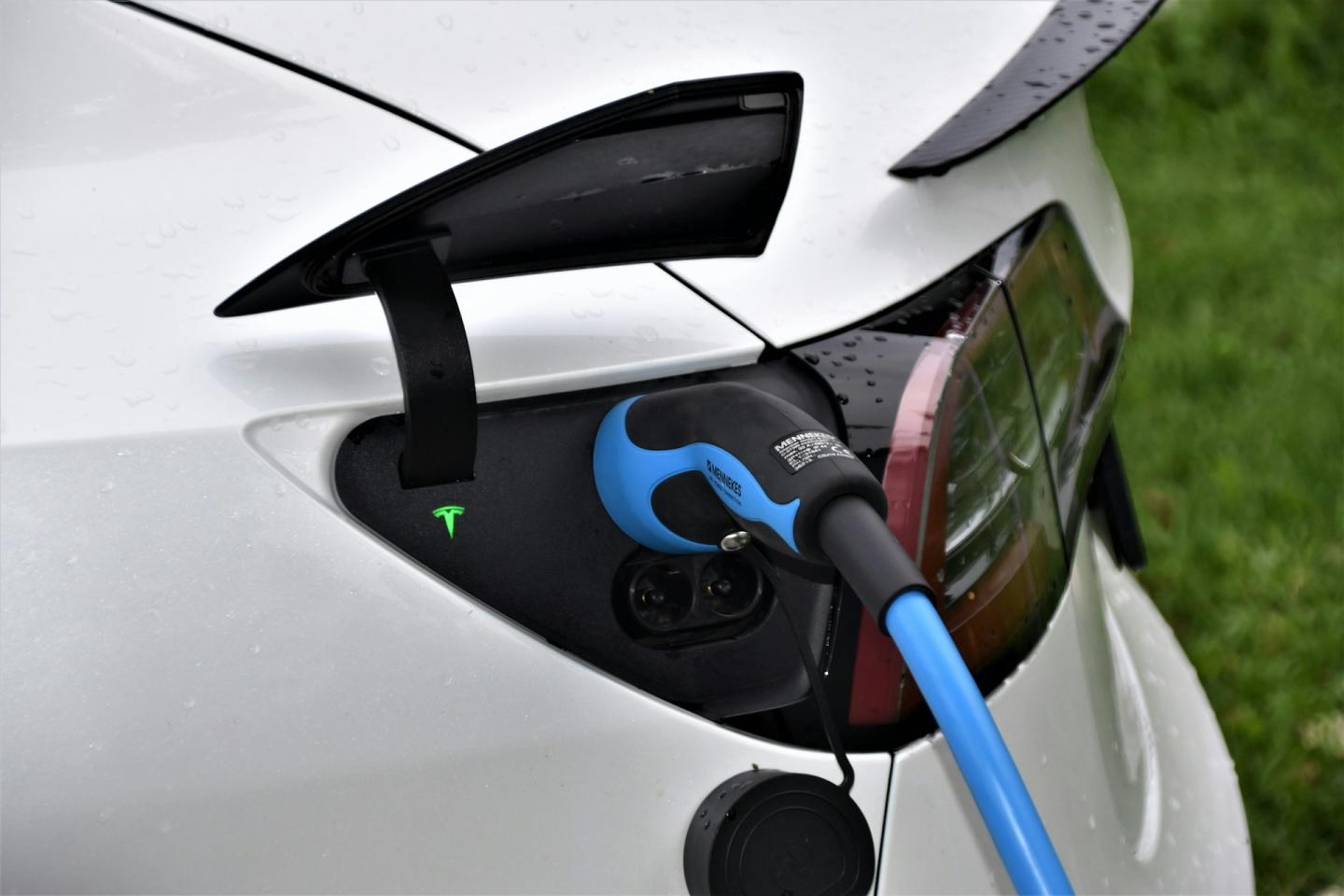
Electric vehicle uptake is no longer a fringe consideration for homebuyers. For many, the question isn’t whether they’ll own an EV, but whether their next home will support one properly. In new estates and apartment developments, “EV ready” is increasingly used in marketing.
The more relevant question for buyers is practical: how difficult, and how costly, is it to install a fast charger in a new build or in an apartment basement? The answer depends far more on early electrical planning and strata governance than on the charger itself.
New builds: It’s easiest before the plaster goes on
For detached houses, EV readiness is largely an electrical capacity issue. Most fast home chargers in Australia are 7kW single-phase units, though some buyers opt for 11kW or 22kW three-phase systems where available. In a new build, installation is straightforward if provision is made during construction:
Switchboard capacity: The home needs sufficient spare capacity in the main switchboard. Upgrading later can involve replacing the entire board.
Three-phase power: Not essential, but increasingly requested. Retrofitting three-phase after construction can cost significantly more than including it upfront.
Dedicated circuit and cabling: Running conduit from the switchboard to the garage during construction is inexpensive; retrofitting may require cutting plaster or trenching.
Load management system: In homes with solar, batteries, or high electrical loads, smart load balancing can prevent overloading the supply.
Where buyers run into difficulty is not technical complexity, but assumptions. Some house and land packages advertise “EV ready” when they mean a general power point in the garage. A standard 10A outlet will charge an EV, but extremely slowly. True readiness means a dedicated high-capacity circuit designed for a wall-mounted charger. For buyers building new, the marginal cost of genuine EV readiness during construction is modest compared to retrofitting later. The complexity increases sharply once walls are closed and driveways poured.
The hidden issue: Electrical headroom
The core issue across both houses and apartments is electrical headroom, the spare capacity within the system. As homes electrify further (induction cooking, heat pump hot water, ducted air conditioning, batteries), switchboards are carrying more load than in previous decades. EV charging is often the largest single electrical demand in a household. Buyers who treat EV charging as a future add-on may find that later upgrades require:
Switchboard replacement
Service fuse upgrades
Network approval from the distributor
Trenching or meter relocations
In contrast, specifying capacity upfront during construction largely avoids these costs.
Market implications: EV readiness as resale insurance
EV readiness is quietly becoming a resale differentiator, particularly in outer suburban estates where car dependence is highest. In detached housing markets, the presence of a properly installed fast charger is increasingly viewed as practical infrastructure rather than a luxury add-on.
In apartment markets, buildings with integrated EV systems are beginning to separate themselves from older stock that lacks upgrade pathways. As EV penetration increases, buyers may discount apartments where charging installation remains uncertain or contentious. For buyers today, the more strategic question isn’t “Do I need a charger immediately?” It’s whether the property has the electrical flexibility to support one without major disruption.
What to check before committing
For house and land buyers:
Confirm whether the package includes a dedicated EV circuit or simply a power point.
Ask if three-phase power is available and the upgrade cost during construction.
Ensure the switchboard allows spare capacity for future expansion.
Consider conduit provision even if installing the charger later.
EV readiness is less about the charger itself and more about foresight. In new homes, the difference between simple and expensive often comes down to decisions made before handover. As transport shifts, electrical capacity is becoming as fundamental to buyers as storage space or broadband speed. Those who plan for it early avoid both retrofit costs and future resale friction.

Joel Robinson
Joel Robinson is the Editor in Chief at iBuildNew, where he leads the editorial team and oversees the country's most comprehensive news coverage dedicated to the new home building industry. With more than a decade of experience in residential real estate journalism, Joel brings deep insight into Australia's evolving home building and construction landscape.