How pavilion design is redefining the Aussie dream home
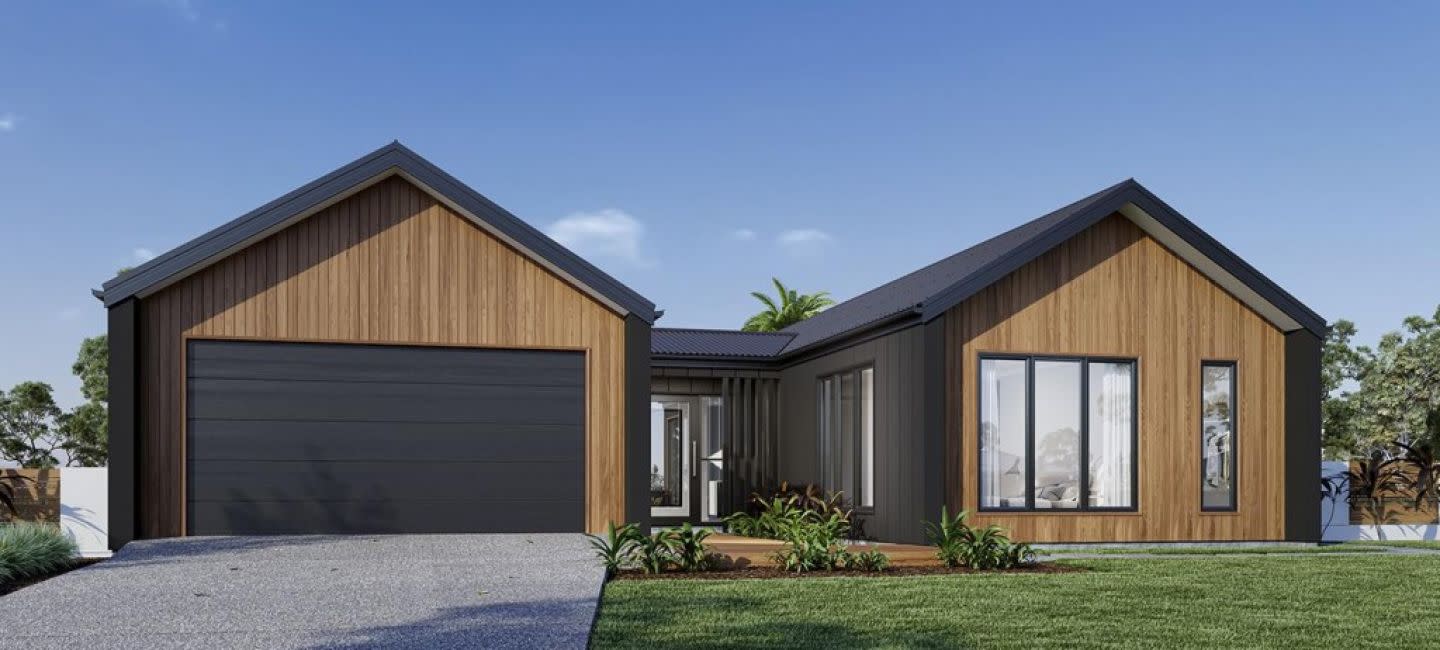
The Australian dream home is changing shape.
Where once the measure of comfort was a large open-plan interior, buyers are now seeking something more layered, homes that feel connected yet calm, social yet private. It’s a shift driven by how Australians actually live: more time at home, more hybrid work, and a stronger desire for natural light, cross-breezes and connection to the outdoors.
That shift has brought renewed attention to one of the most enduring design philosophies in Australian architecture, the pavilion home.
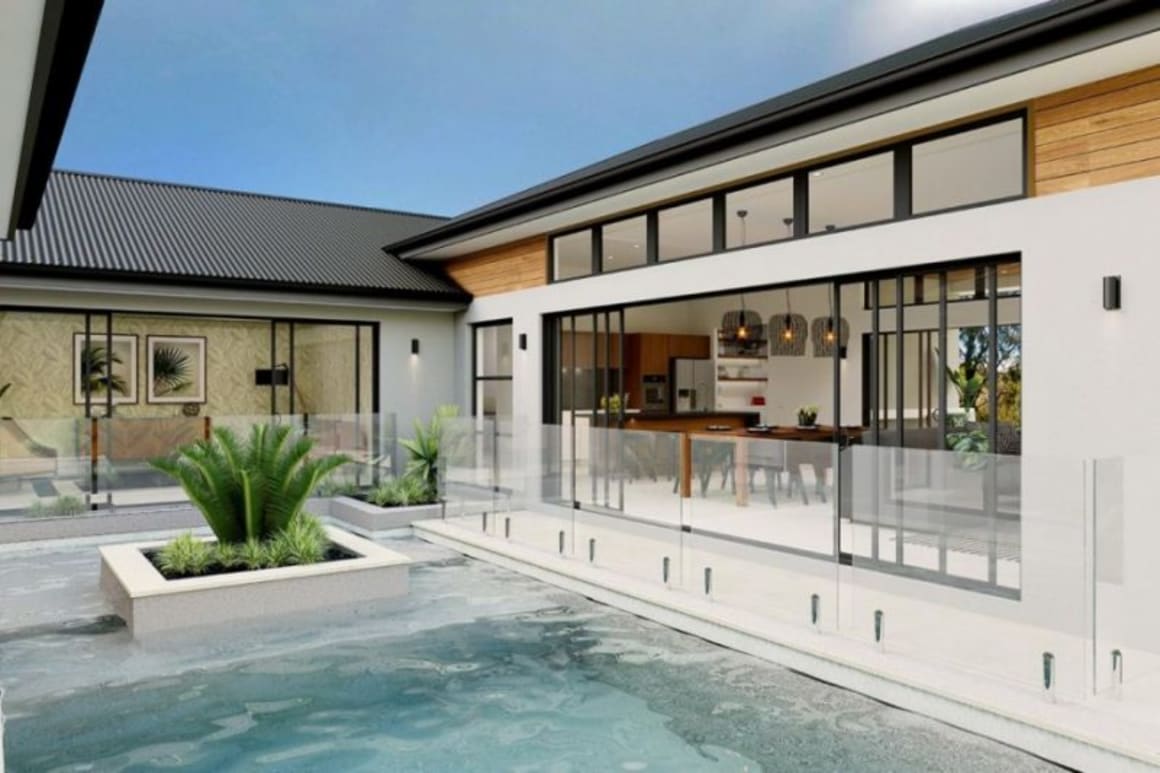 Mandalay 300 central courtyard by G.J. Gardner Homes
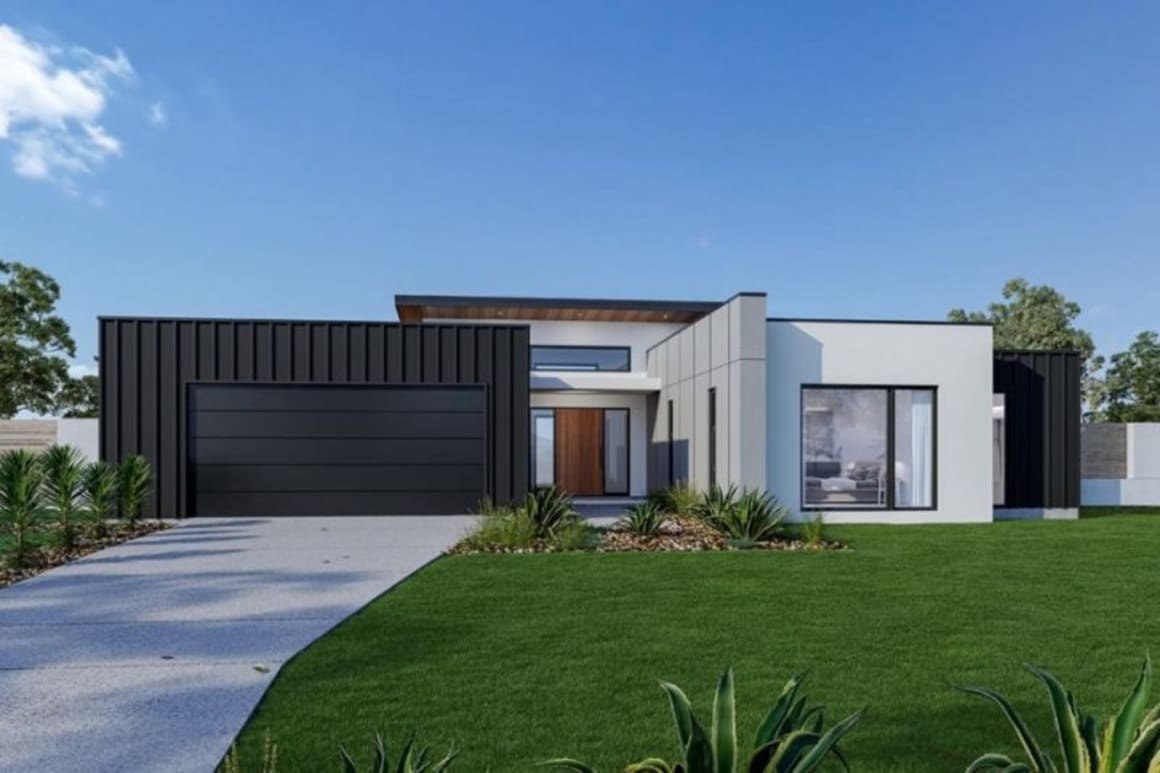 Oakford 290, Urban facade by G.J. Gardner Homes
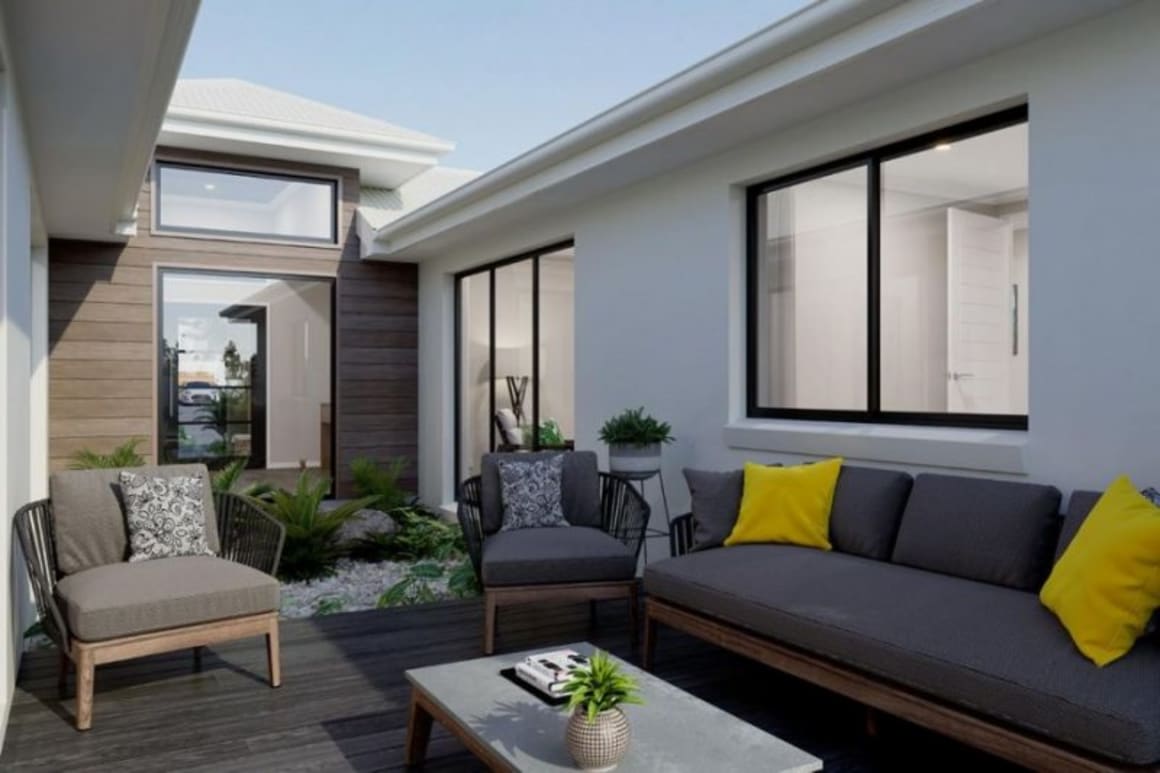 Oakford 290 central courtyard by G.J. Gardner Homes
What is a pavilion home?
At its essence, pavilion living breaks the home into separate wings or zones, often connected by courtyards, breezeways or glazed walkways. Rather than one large, enclosed structure, it’s a collection of smaller, purpose-driven spaces that open to the landscape. The result is a home that feels more open, breathable and intuitive. Living areas flow naturally to outdoor terraces. Bedrooms sit quietly in their own zone. Light and air move freely through the spaces, bringing a sense of ease that suits the Australian climate and lifestyle. Mandalay 300 central courtyard by G.J. Gardner HomesWhy pavilion homes?
More than a style, pavilion design reflects a mindset. Buyers are prioritising quality of space over quantity, looking for homes that feel generous without simply being bigger For families, the appeal lies in the layout’s flexibility: wings can be zoned for kids, guests or work, creating privacy without disconnect. For downsizers or regional movers, it’s about single-level comfort and effortless connection to garden and sky. And as sustainability becomes a stronger driver, pavilion homes naturally align with passive design principles, orientation, shading and cross-ventilation that reduce reliance on mechanical heating and cooling. Oakford 290, Urban facade by G.J. Gardner Homes
A design language builders are embracing
While pavilion living has long been a hallmark of architectural homes, it’s increasingly appearing in mainstream design portfolios. Builders are finding that its simplicity and practicality translate well to a range of budgets and lot types. A wide frontage or lifestyle block allows the concept to flourish, but even suburban lots can borrow its ideas: zoned layouts, light-filled corridors, and courtyards that act as breathing spaces between wings. For builders, it’s also a chance to differentiate, offering a design that feels distinctly Australian, grounded in climate and lifestyle rather than imported trends. Oakford 290 central courtyard by G.J. Gardner Homes
The balance of pavilion living
Perhaps the true strength of pavilion living lies in its balance. It’s open enough to invite connection, yet structured enough to offer privacy. It brings the outdoors in without compromising comfort. It’s simple in form, but thoughtful in experience. The pavilion home isn’t about grandeur, it’s about clarity. Every space has purpose, and every connection has meaning. Whether on coastal acreage or in a growing suburban community, the principles behind pavilion living feel naturally at home here. The design speaks to what Australians value most: sunlight, space, flexibility, and a sense of belonging to the landscape. So is pavilion living the perfect Aussie layout for you? It might just be, not because it follows fashion, but because it understands how Australians want to live, now and into the future.
Joel Robinson
Joel Robinson is the Editor in Chief at iBuildNew, where he leads the editorial team and oversees the country's most comprehensive news coverage dedicated to the new home building industry. With more than a decade of experience in residential real estate journalism, Joel brings deep insight into Australia's evolving home building and construction landscape.