How to Budget for a Knockdown Rebuild in Australia

A knockdown rebuild gives you the chance to build your dream home while staying in the location you love. But with demolition, construction, and hidden costs to consider, budgeting wisely is key to avoiding stress and delays.
This complete guide explains how to budget for a knockdown rebuild in Australia, covering key expenses, money-saving tips, and what to expect at each stage.


 A knockdown rebuild in Australia is a smart way to create your ideal home without leaving your current suburb. With careful budgeting, a clear plan, and the right professionals on your side, you can make the process smoother and avoid costly surprises.
When planned well, your new home will be exactly what you imagined — and a smart investment for the future.
A knockdown rebuild in Australia is a smart way to create your ideal home without leaving your current suburb. With careful budgeting, a clear plan, and the right professionals on your side, you can make the process smoother and avoid costly surprises.
When planned well, your new home will be exactly what you imagined — and a smart investment for the future.
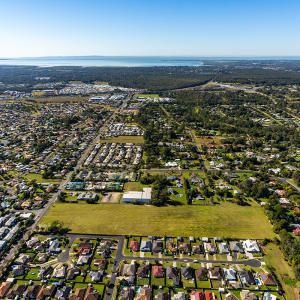
Why Knockdown Rebuilds Are Becoming Popular in Australia
In established suburbs and inner-city areas, vacant land is rare. More homeowners are now choosing to knock down and rebuild rather than move. The benefits are clear — you keep your current address, enjoy modern home designs with energy-efficient features, and often increase your property’s long-term value.1. Demolition and Site Preparation Costs
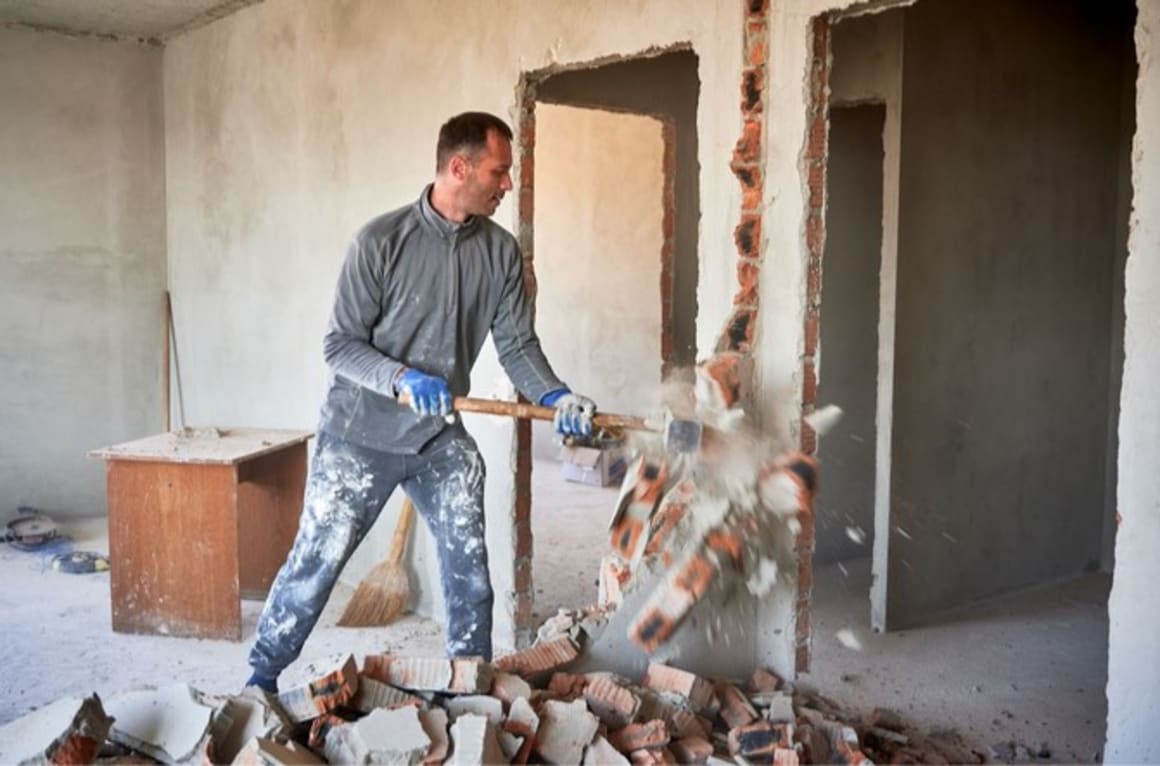
Your budget starts with demolishing the existing home and preparing the site for construction. This includes:- Disconnecting utilities
- Removing debris
- Levelling and clearing the block
2. Construction and Design Costs
This is the biggest part of your budget. The cost of building a new home depends on:- Size, layout, and design complexity
- Choice of materials and finishes
- Whether you choose a standard design or custom build
3. Planning, Permits, and Professional Fees
Before construction begins, you’ll need to meet council requirements, which may involve:- Town planning and building permits
- Soil testing and contour surveys
- Engineering reports
4. Temporary Living and Moving Costs
You can’t live on-site during a knockdown rebuild, so you’ll need short-term accommodation. Options include renting, staying with family, or booking a furnished apartment. Also budget for moving costs, storage fees, and even pet boarding if needed. If the build takes longer than expected, these costs can quickly add up.5. Site-Specific Extras and Unexpected Costs
Every site is different, and some blocks may need additional preparation. If your land is sloped, has poor soil, or is in a bushfire-prone or flood-prone area, you may face higher costs for engineering, excavation, retaining walls or compliance measures. Unexpected expenses can also arise during construction—design changes, product upgrades, or delays. Including a contingency of 10–20% in your budget is not only wise, it’s often necessary.Smart Budgeting Tips for a Knockdown Rebuild
- Separate must-have features from nice-to-haves to avoid overspending.
- Get multiple quotes for demolition, site works, and additional services.
- Plan for the entire project, including landscaping and post-build expenses.
- Consider a construction loan, which releases funds in stages to match your builder’s payment schedule.
The Bottom Line
A knockdown rebuild in Australia is a smart way to create your ideal home without leaving your current suburb. With careful budgeting, a clear plan, and the right professionals on your side, you can make the process smoother and avoid costly surprises.
When planned well, your new home will be exactly what you imagined — and a smart investment for the future.

Joel Robinson
Joel Robinson is the Editor in Chief at iBuildNew, where he leads the editorial team and oversees the country's most comprehensive news coverage dedicated to the new home building industry. With more than a decade of experience in residential real estate journalism, Joel brings deep insight into Australia's evolving home building and construction landscape.