How to choose a block within a masterplanned estate
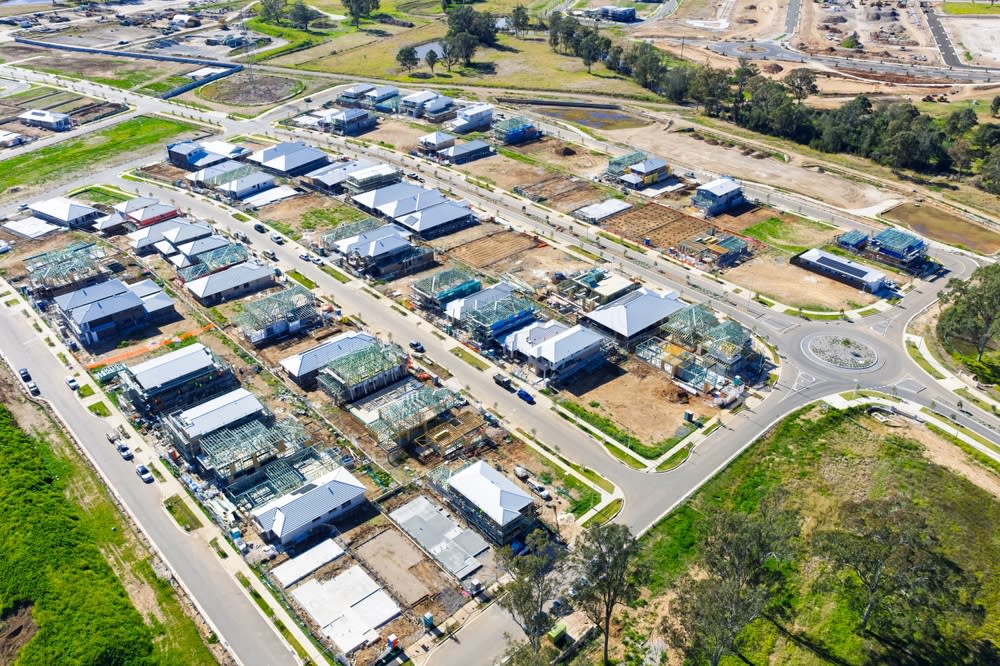
For buyers building a new home, the path to purchasing land is rarely linear. Some begin by narrowing down suburbs or growth corridors, others by budget or home design, and many encounter masterplanned estates as part of that process rather than as a predetermined choice.
Once a particular estate is under consideration, block selection becomes a critical decision point. While many lots may appear comparable in size or price, differences in orientation, proportions, surrounding future development, and estate controls can influence how a home is ultimately designed and experienced over time.
Understanding how to assess these factors allows buyers to choose a block that supports their build plans and long-term living needs, rather than simply fitting within the broader masterplan.
Land size matters less than land shape
Headline land size remains the first filter for most buyers, but within estates, block proportions are often more important than square metres. Wider frontages generally provide greater flexibility for floorplan design, garage placement, and internal zoning, particularly where design guidelines limit building envelopes or require minimum setbacks.
Deeper blocks can appear generous on paper but may deliver less usable outdoor space once easements, rear setbacks, and build envelopes are applied. For family buyers, the location and usability of the backyard often matters more than its nominal size.
Orientation should be assessed in context, not isolation
Orientation advice is rarely estate-specific. In masterplanned communities, the relationship between blocks, future dwellings, and street layouts can significantly alter how sunlight and privacy are experienced.
A north-facing rear yard may still be overshadowed once neighbouring double-storey homes are constructed, while a well-positioned east-facing block can deliver strong morning light and better internal comfort.
Buyers should consider not only compass orientation, but also expected building heights, street widths, and future density surrounding the lot.
Civil plans reveal more than marketing maps
Estate marketing plans are designed to sell a vision. Civil and engineering plans, by contrast, show how the estate will actually function. These documents identify drainage reserves, future road upgrades, pump stations, sub-stations, and service corridors, elements that can influence noise, lighting, traffic flow, and long-term amenity.
Blocks that appear well-located on a brochure can feel very different once surrounding infrastructure is delivered.
Taking time to understand these details can materially change a buying decision.
Think beyond what exists today
In early-stage estates, much of what will shape daily life hasn’t been built yet. Schools, town centres, sporting reserves, and higher-density housing are often delivered later in the development timeline.
Blocks bordering future community facilities may benefit from walkability and access, but they can also experience higher activity levels or extended construction periods.
Buyers should assess not just current surroundings, but the full development sequence of adjacent precincts.
Premium lots suit some buyers, not all
Park-front, corner, and feature lots often attract price premiums, but those premiums do not suit every buyer or every strategy. For owner-occupiers planning a long-term hold, the lifestyle benefits of outlook, light, and separation may justify the additional cost.
For buyers with a stronger focus on resale or budget control, internal lots with consistent streetscapes can sometimes offer better value and broader market appeal. Understanding who a block best suits can be more important than securing the most prominent position.
Match the block to the build early
The block selection process should happen in parallel with early build planning. Some blocks naturally suit specific home types, construction methods, or slab designs, while others introduce additional costs through fall, soil conditions, or design restrictions. Estate design guidelines can further shape outcomes by limiting façade options, roof forms, or garage placements. Buyers who assess these constraints early are better placed to avoid compromises later.
Ask questions that shape outcomes, not just price
Sales offices readily discuss availability and incentives. More valuable information often comes from less obvious questions: what land is yet to be released nearby, whether masterplans are subject to amendment, and how consistently design guidelines are enforced across stages. These answers help buyers assess not just the block itself, but how the surrounding environment is likely to evolve.
Selecting the right block within a masterplanned estate is ultimately about aligning the physical characteristics of the land with the buyer’s lifestyle, budget, and time horizon.
Buyers who slow this part of the process down often find they make decisions that continue to pay off long after construction is complete.

Joel Robinson
Joel Robinson is the Editor in Chief at iBuildNew, where he leads the editorial team and oversees the country's most comprehensive news coverage dedicated to the new home building industry. With more than a decade of experience in residential real estate journalism, Joel brings deep insight into Australia's evolving home building and construction landscape.