How to get indoor–outdoor flow without losing privacy
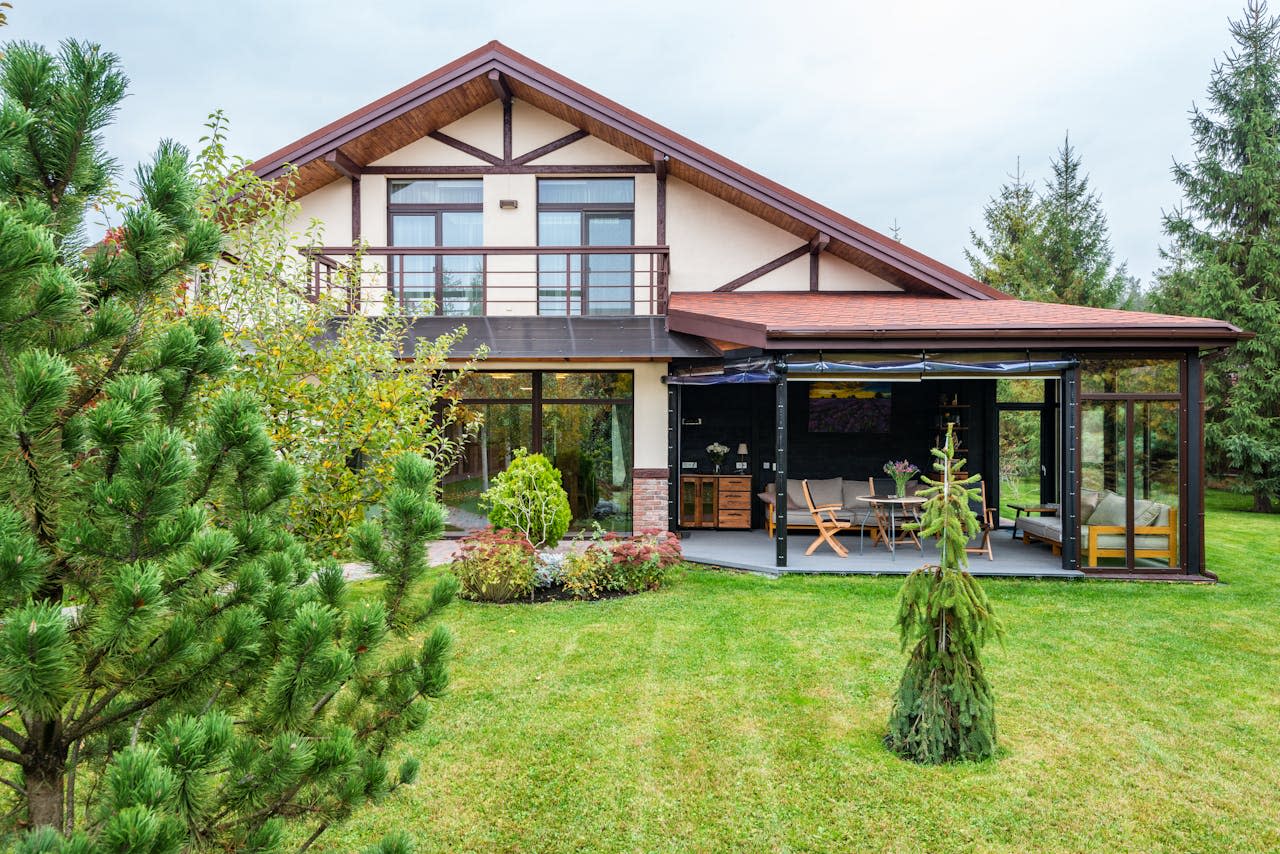
In Australian homes, indoor–outdoor living has become more than a design trend, it’s part of the lifestyle.
Seamless transitions between inside and out connect us to nature, make entertaining easier, and create a greater sense of space. But as block sizes shrink and density rises, achieving that easy flow without sacrificing privacy has become a balancing act.


Why indoor–outdoor living matters
Buyers today are looking for homes that feel larger and more open, even when space is limited. Connecting living areas to alfresco zones through sliding or stacker doors is one of the simplest ways to do that, extending usable space and letting in natural light. For families, it also creates visibility between indoor and outdoor zones; for entertainers, it’s about bringing guests together in one fluid space. But what works naturally on an acreage or coastal block doesn’t always translate to the city or suburbs. For urban buyers with smaller lots or neighbours close by, the challenge is maintaining openness and privacy, two goals that often compete in design.How builders are responding
Builders and designers are finding clever ways to make this balance possible. High fences and solid walls have given way to more layered approaches, screens, louvres, and green buffers that filter views while still allowing airflow and light. Courtyards are another solution growing in popularity, especially in townhouse and duplex designs. These enclosed or semi-enclosed outdoor rooms bring in sunlight and greenery while remaining shielded from street or neighbour views. Meanwhile, corner glazing and skylights are being used to increase a sense of connection to the outdoors without needing large, exposed openings. Many new builds also take advantage of zoning: placing bedrooms and private areas away from entertainment spaces and orienting the main living zones toward the backyard or courtyard for maximum openness where it matters most.What to look for as a buyer
If indoor–outdoor flow is on your wishlist, it pays to look beyond the floorplan. Consider how the home balances openness and seclusion, both visually and acoustically.- Orientation: Check how the main living spaces are positioned. North-facing courtyards and alfresco areas capture light while maintaining privacy from the street. A good design considers both sunlight and sightlines.
- Screening and landscaping: Look for natural or built privacy features such as planter boxes, vertical gardens, or slatted screens that provide a soft barrier without blocking airflow.
- Connection points: Large sliding, bifold, or corner doors make the transition effortless, but make sure they open onto a functional, usable outdoor area rather than a narrow path or fence line.
- Zoning and layout: Homes that cluster living areas toward the rear or around a courtyard tend to deliver stronger indoor–outdoor connection without the feeling of exposure.
- Materiality: Warm, tactile materials, timber decking, stone, and neutral-toned cladding, help visually bridge interior and exterior spaces for a cohesive look.
The future of connected living
As urban density continues to rise, design innovation around privacy and openness will only become more important. Builders are already exploring flexible outdoor rooms with retractable roofs or sliding walls, allowing homeowners to adapt their level of openness depending on the time of day or season. Ultimately, indoor–outdoor living isn’t about size, it’s about smart design. Whether on a compact city block or a suburban allotment, the right home can offer both connection and retreat, and that balance is what truly defines modern Australian living.
Joel Robinson
Joel Robinson is the Editor in Chief at iBuildNew, where he leads the editorial team and oversees the country's most comprehensive news coverage dedicated to the new home building industry. With more than a decade of experience in residential real estate journalism, Joel brings deep insight into Australia's evolving home building and construction landscape.