How to read architectural plans when you’re not an architect
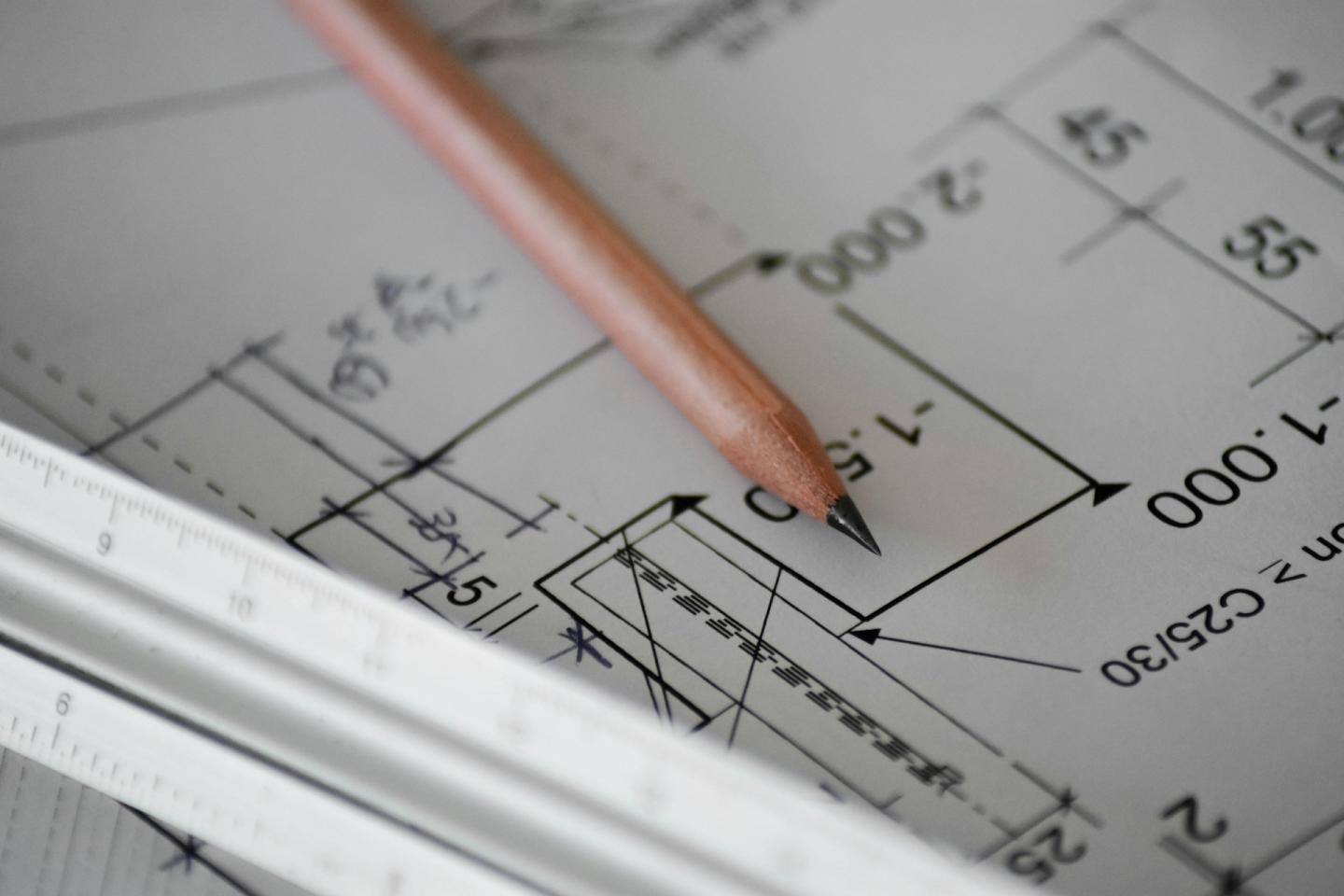
Architectural plans are often the first detailed insight buyers get into how a home will actually function. For many, they’re also the first time the practical realities of space, layout, and structure come into focus. For non-architects, the drawings can feel technical and abstract, even though they contain decisions that directly affect day-to-day living.
Learning how to read plans at a practical level doesn’t require design training. What it does require is knowing where buyers should focus, what the drawings are really communicating, and which details tend to be overlooked until it’s too late to change them.
Start with the plan as a sequence, not a picture
Many buyers treat a floor plan as a static image, scanning room sizes and counting bedrooms. A more useful approach is to read it as a sequence of movement. Look at how you enter the home, where you naturally turn, and which spaces you pass through to reach others. This reveals how the house will actually be used, not just how it’s laid out.
Long corridors, awkward turns, or rooms that can only be accessed by walking through other rooms often become daily frustrations, even if the overall size looks generous on paper. Pay particular attention to how the kitchen, living areas, bedrooms, and bathrooms connect.
Plans that minimise unnecessary transitions tend to feel calmer and more efficient once built.

Understand scale beyond the room labels
Room names can be misleading. A “living room” or “master suite” label tells you very little without understanding scale.
Dimensions are typically shown in millimetres, and while they’re easy to skip over, they’re critical. Compare room widths rather than just total area. A living space that is wide enough to accommodate furniture and circulation will feel far more comfortable than a longer but narrower room with the same square metre figure.
Door swings, window placements, and wall lengths matter here. A bedroom that technically meets size requirements may still struggle to fit a queen bed, side tables, and wardrobes without compromise.
Read wall thickness and structure cues
Not all walls are equal, and plans usually show this through line weight and thickness. Thicker walls often indicate structural elements or services, which are far harder to modify later.
For buyers considering future changes, such as opening up a space or reconfiguring a room, this distinction matters. A thin internal partition may be flexible; a structural wall is not. Understanding this early can prevent assumptions about future adaptability that aren’t realistic.
Similarly, note where columns, beams, or bulkheads appear. These are often glossed over during plan reviews but can affect ceiling heights, sightlines, and furniture placement once built.
Pay attention to storage and service spaces
Storage rooms, linen cupboards, and service areas like laundries are often the least visually appealing parts of a plan, which is why they’re frequently under-scrutinised.
Check where storage is located, how accessible it is, and whether it competes with circulation space. A well-sized laundry near bedrooms, or a linen cupboard positioned between bathrooms, can make everyday routines noticeably easier.
Also look at where services sit in relation to living spaces. Noise from laundries, bathrooms, or mechanical systems can carry if separation hasn’t been carefully planned.
Read elevations alongside floor plans
Floor plans show layout, but elevations reveal proportion. This is where ceiling heights, window sizes, roof forms, and external massing become clear.
Buyers often approve plans based on the internal layout without fully considering how light enters the home or how tall spaces will feel. Elevations help translate the plan from a diagram into a three-dimensional experience.
Cross-checking window positions between plans and elevations also helps confirm privacy outcomes, especially in denser estates or urban infill sites.
Use sections to understand height and volume
Section drawings are frequently ignored, but they provide some of the most valuable information for buyers. They show how floors, ceilings, roofs, and sometimes staircases relate vertically. This is where you’ll see if a double-storey living area genuinely has extra volume, or if a stairwell might feel tight.
Sections also clarify relationships between levels, such as whether upstairs rooms overlook living spaces or sit above quieter zones.
For buyers sensitive to noise, light, or spatial openness, these drawings often answer questions that floor plans alone cannot.
Treat the plan as a decision-making tool
Architectural plans aren’t just technical documents; they’re a preview of how a home will perform. Buyers who learn to read them critically tend to make fewer compromises later, because they identify issues before contracts are signed or builds begin.
You don’t need to understand every symbol or notation. What matters is focusing on movement, scale, structure, and everyday usability. When read this way, plans become less intimidating and far more useful, offering clarity where brochures and renders often fall short.

Joel Robinson
Joel Robinson is the Editor in Chief at iBuildNew, where he leads the editorial team and oversees the country's most comprehensive news coverage dedicated to the new home building industry. With more than a decade of experience in residential real estate journalism, Joel brings deep insight into Australia's evolving home building and construction landscape.