iBN Studio: Accent Colours

One of the greatest debates when it comes to choosing colours for your new build home is whether to include accent colours in certain spaces. A good colour can be an instant mood-lifter, but the wrong decision will have a reverse effect. Here is our fool-proof guide to getting accent colours right. (Download here)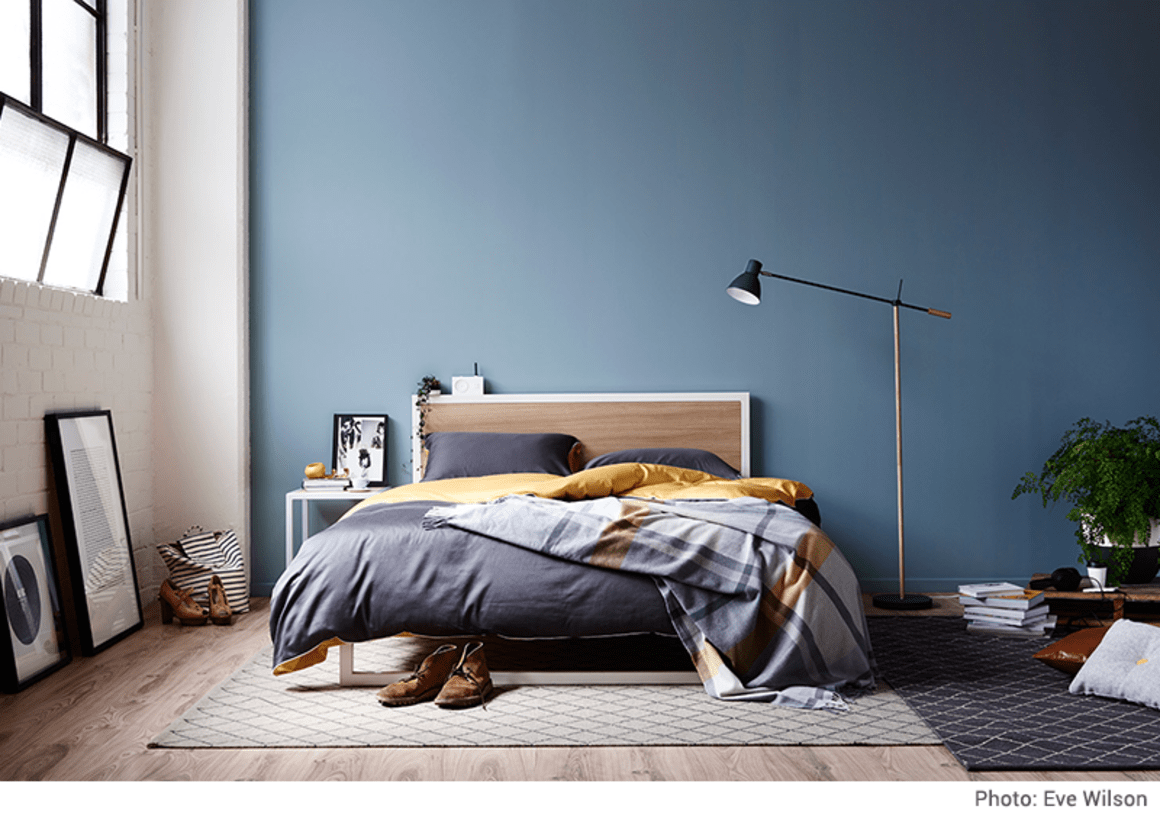
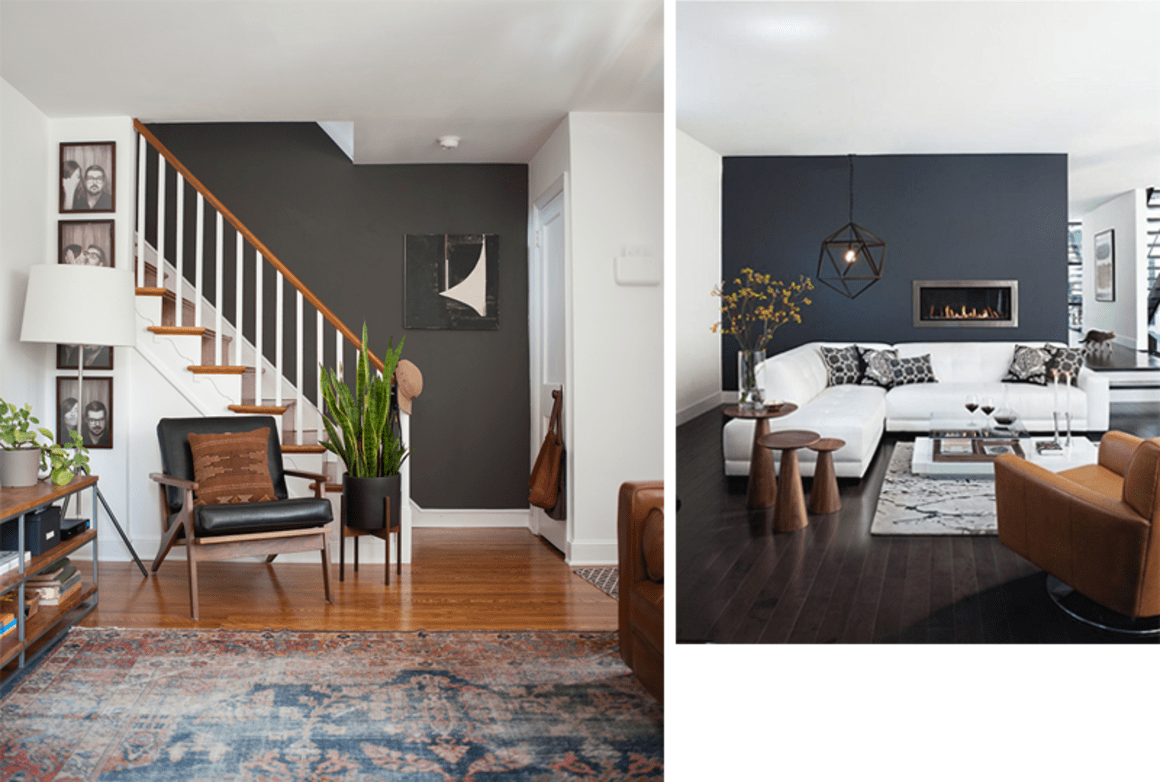
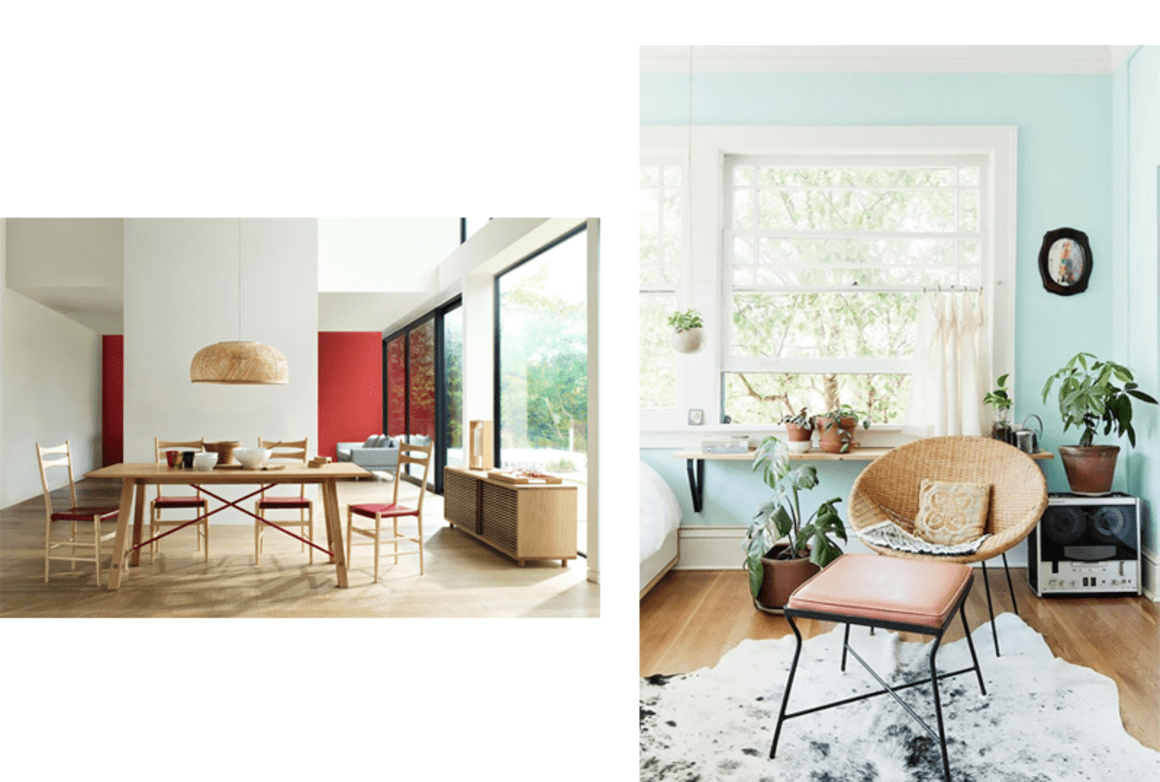
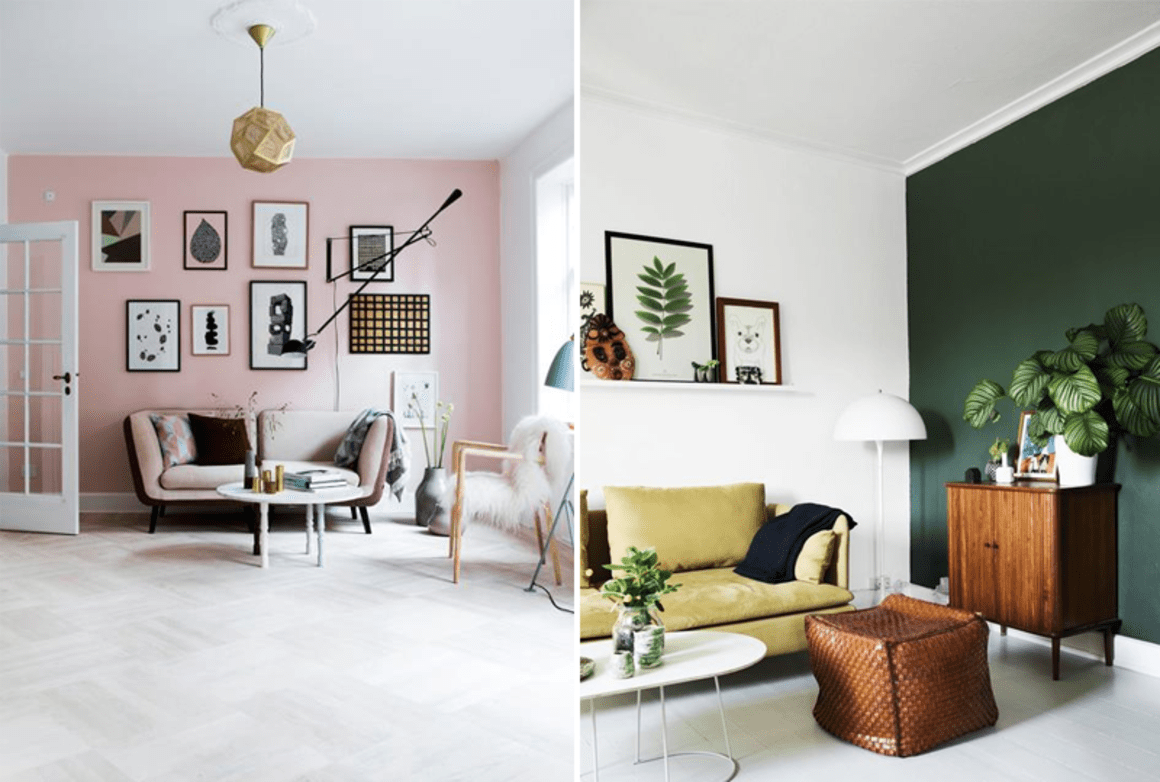
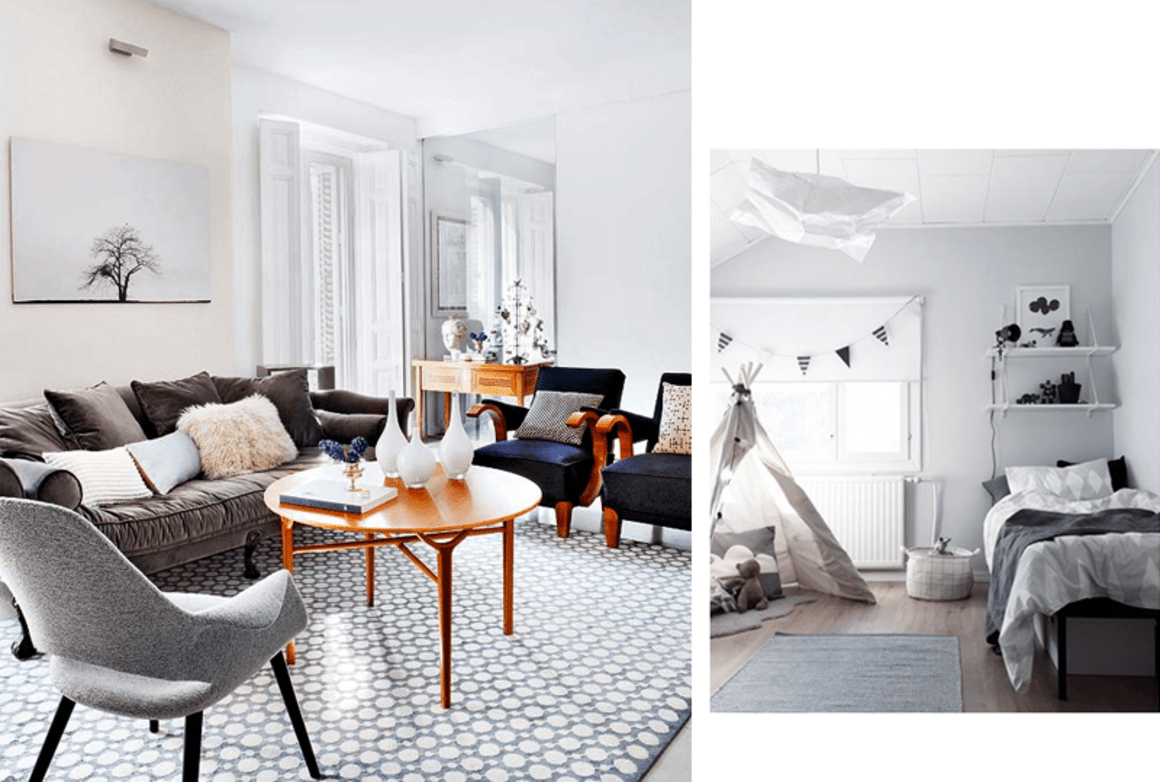
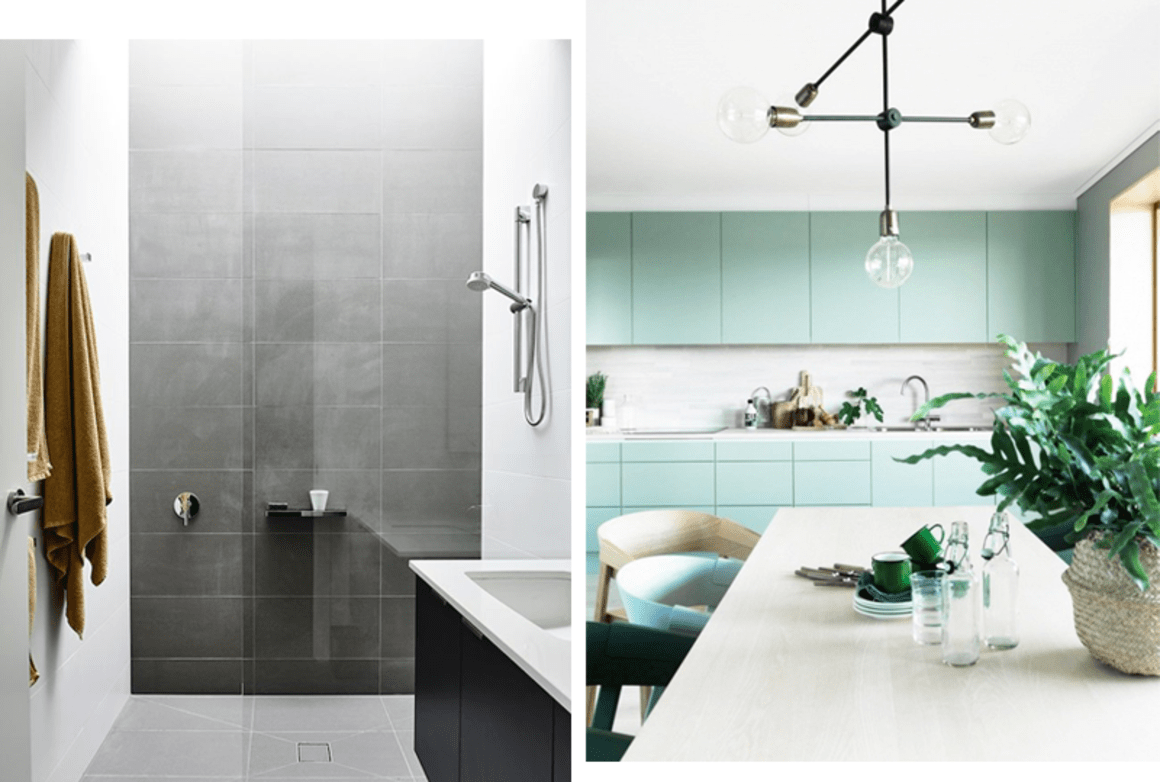
Before you even start thinking about the colours, decide which part of the house you are going to “accent” first.
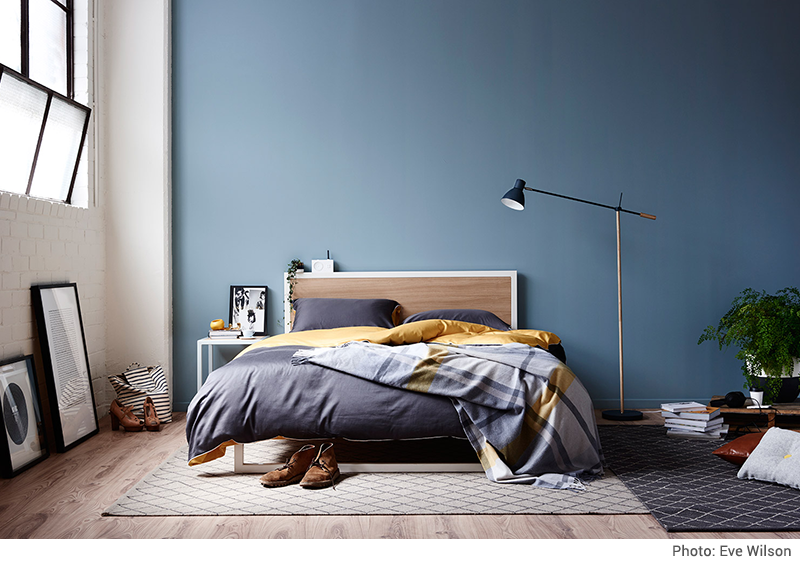
Check your house plan and get a rough idea of how you will arrange your furniture. The accent colours should be in areas you want to draw attention to, such as the fireplace, a collection of artworks, or your bed.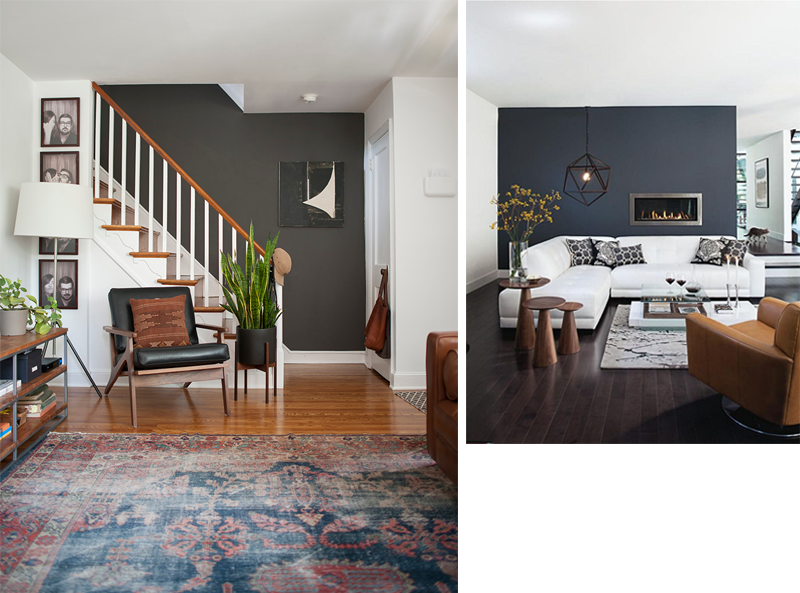
The easiest way to start choosing accent colours is to take into account the others colours that have already been decided.
Maybe you prefer using dark timber flooring, or perhaps there is this maroon coloured sofa you love. Based on these settings, you can narrow down the choices of accent colours to the ones that complement the decided features.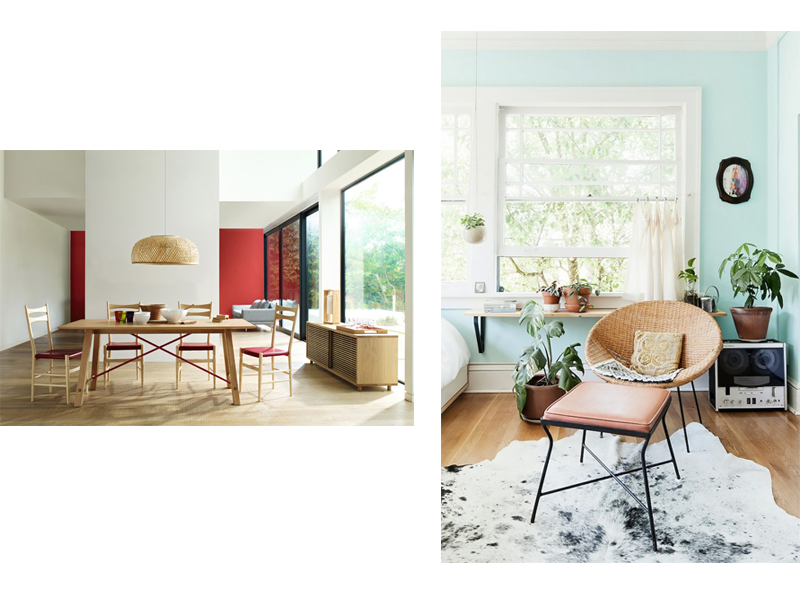
Another way to tackle this is to consider how you and your family will use that space and what mood you'd like to create.
Warm hues such as oranges and yellow are ideal for living areas because they evoke an energised and cosy feeling. Warm hues advance visually towards the viewer, which can make an expansive area feel more intimate. Cool hues like blues and greens recede which makes a room look bigger, they also help create a calm and relaxing mood.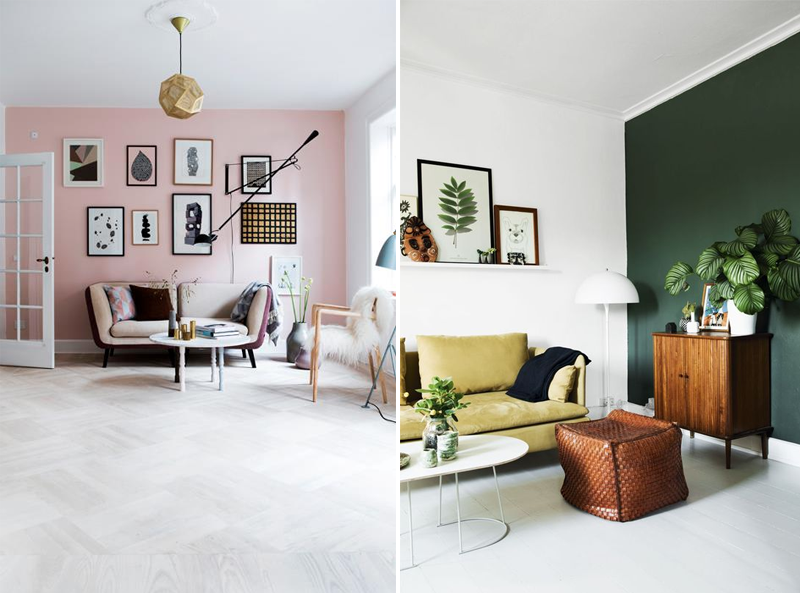
Consider how lighting may affect your choice of colour.
Here are the basics: Natural daylight shows the truest colours, incandescent bulbs tend to bring out yellow tones, whereas fluorescent lighting can cast a sharp blue tone.Colours you choose should come together as a well balanced and cohesive palette.
This creates a harmonious flow when you are moving from one space to the other, whereas a sharp transition in colours can interrupt this experience and make your home feel disconnected.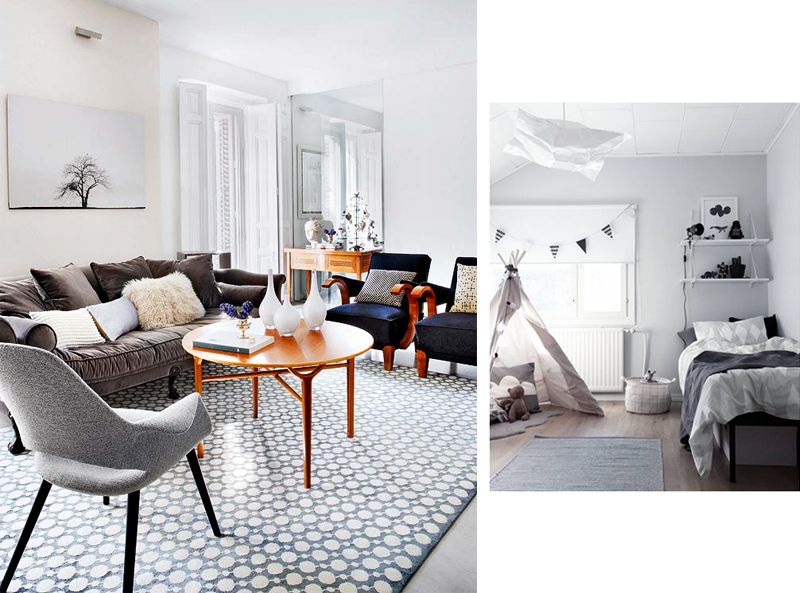
Accent colours don’t have to be bold.
Subtle accents like light grey and sand can be just enough to get your feet wet. They add a touch of personality and almost never go out of style.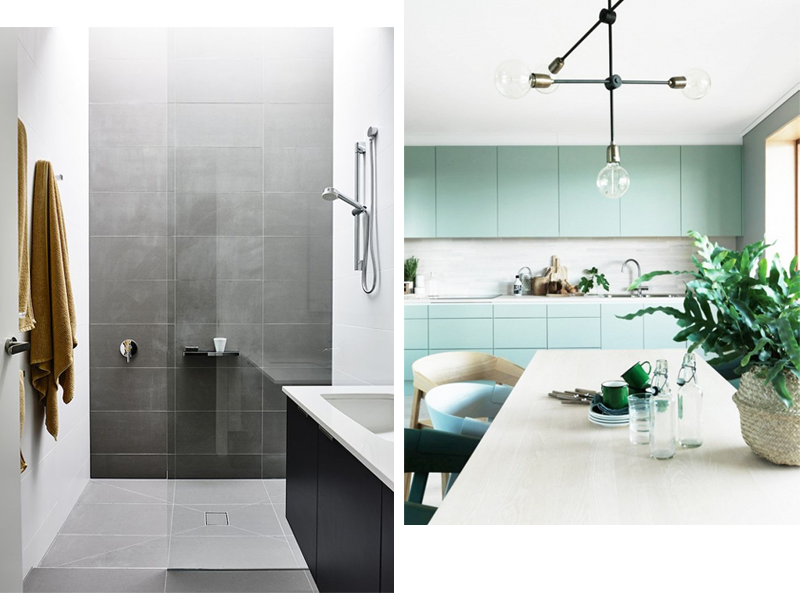
Explore new, unexpected ways to use accent colours.
The sky is the limit. If you like something, always bring it up to the colour consultant of your chosen builder. They know best what’s suitable for your particular design.Take our guide to your next colour consultation >
Related Articles:
Colour Studio: Scandinavian Living
Room Design: Enhance Your Entryway
The Low Down on Floor Coverings
Follow us on Pinterest for more interior inspiration
Joel Robinson
Joel Robinson is the Editor in Chief at iBuildNew, where he leads the editorial team and oversees the country's most comprehensive news coverage dedicated to the new home building industry. With more than a decade of experience in residential real estate journalism, Joel brings deep insight into Australia's evolving home building and construction landscape.