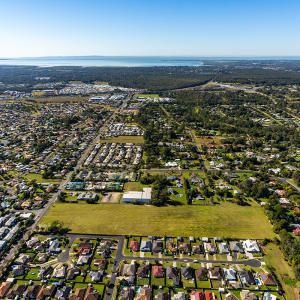
Is it cheaper to build a granny flat today, or just buy a bigger house?
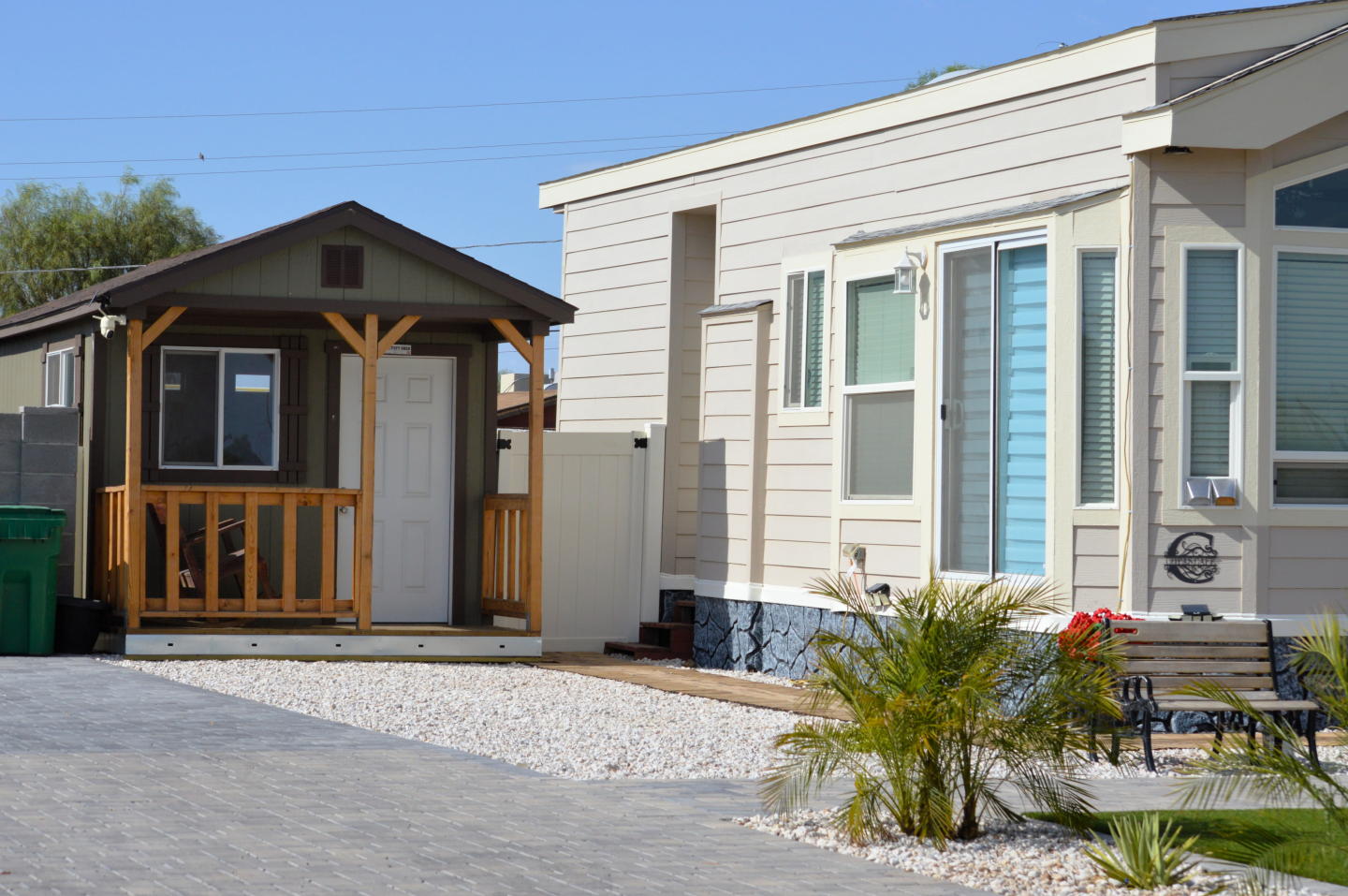
Rising construction costs and tighter borrowing conditions have sharpened a question many homeowners are now asking: is it more cost-effective to build a granny flat in the backyard, or to upgrade to a larger home altogether?
In 2026, the answer depends less on headline build rates and more on land value, borrowing capacity, and how councils are regulating secondary dwellings. For buyers and existing owners weighing up their next move, the decision is increasingly strategic rather than purely financial.
The cost equation now
Granny flats, often referred to as secondary dwellings, have shifted from niche additions to mainstream housing solutions across metropolitan growth corridors and middle-ring suburbs. Build costs today typically range from around $80,000 to $200,000+ depending on size, specification, site conditions and servicing requirements.
Most secondary dwellings sit between 30 sqm and 80 sqm under current state planning frameworks. However, the headline build price is only part of the calculation. Buyers need to factor in:
Site works and service connections (sewer, stormwater, electricity)
Private open space and setback compliance
Driveway access or parking requirements
Consultant fees and council approvals
Potential infrastructure contributions
On constrained or sloping blocks, site preparation can materially change feasibility. By comparison, upgrading to a larger home means entering the established or new home market at full stamp duty rates, agent fees, and often higher ongoing mortgage repayments.
In many capital cities, the price gap between a standard three-bedroom home and a four-bedroom home remains several hundred thousand dollars, particularly in established suburbs where land values dominate pricing.
What buyers often overlook
The more relevant question today is not just build cost versus purchase price, but capital efficiency. A granny flat:
Leverages land you already own
Avoids stamp duty
May create rental income
Preserves proximity to schools, work and community
Upgrading homes, on the other hand:
Resets your mortgage at current lending rates
Triggers transaction costs (often five to seven per cent of purchase price)
May improve long-term resale appeal if the new property sits in a stronger market
For many households, particularly in Sydney, Brisbane and Melbourne’s middle suburbs, land scarcity means the backyard has become the most affordable expansion option.
Rental income and yield considerations
In 2026, rental markets remain tight in most capitals. A well-designed, council-compliant granny flat can generate meaningful weekly income, depending on location. This shifts the financial modelling.
Rather than comparing build cost against a bigger mortgage alone, owners are comparing: Net cost of building minus Projected rental return
In strong rental markets, yields on secondary dwellings can outpace those of primary residences, because the construction cost per square metre is lower and the land component is already owned. However, buyers should consider:
Whether the granny flat can be separately metered
Local planning restrictions on leasing
Insurance and tax implications
Impact on future resale pool (owner-occupiers versus investors)
Not all buyers place equal value on a dual-occupancy-style setup.
Planning reforms shaping the decision
Several states have continued to streamline secondary dwelling approvals, particularly to address housing shortages. Faster approvals and relaxed minimum lot sizes have improved feasibility in growth areas. But compliance still varies by council. Overshadowing, setbacks, private open space and parking requirements can reduce buildable footprint, especially on sub-500sqm lots.
In contrast, upgrading homes avoids planning risk but exposes buyers to competitive market conditions and price volatility.
Lifestyle trade-offs
Financial comparisons only go so far. The decision often turns on how households plan to use the space. Granny flats are typically suited to:
Multigenerational living
Adult children remaining at home
Downsizing within your own property
Generating rental income
They are less suited to families seeking substantially larger shared living areas or significant land expansion. Upgrading homes may provide:
Larger integrated living zones
Bigger backyards
Newer community infrastructure in growth corridors
But it may mean changing school zones, commuting patterns, and social networks.
Long-term value and resale
A well-executed granny flat can increase property value, particularly where demand exists for flexible accommodation. However, the uplift is rarely dollar-for-dollar with construction cost. Buyers in the resale market will assess:
Privacy between dwellings
Quality of finishes
Access arrangements
Ongoing maintenance
In premium suburbs, additional land area often carries more value than built form, meaning a larger primary residence on a bigger block may outperform a dual-dwelling configuration over the long term.
So which is cheaper today?
Purely on upfront cost, building a granny flat is generally cheaper than purchasing a larger home in the same suburb, particularly once stamp duty and transaction costs are included. But the more relevant comparison is total financial impact over five to ten years:
Borrowing exposure
Rental income potential
Capital growth trajectory
Lifestyle fit
For homeowners sitting on well-located land, a granny flat can be a cost-efficient way to add space and income without re-entering the property market. For buyers already planning to relocate or upgrade suburb, purchasing a larger home may offer stronger long-term growth and broader resale appeal.
In 2026, the backyard has become one of the most flexible housing assets Australians hold. Whether it outperforms buying bigger depends less on build rates, and more on how strategically it’s used.

Joel Robinson
Joel Robinson is the Editor in Chief at iBuildNew, where he leads the editorial team and oversees the country's most comprehensive news coverage dedicated to the new home building industry. With more than a decade of experience in residential real estate journalism, Joel brings deep insight into Australia's evolving home building and construction landscape.