Knockdown rebuild or buying new: which path suits today’s home buyers?

Rising land values and limited housing supply in established suburbs are forcing many buyers to reconsider how they secure a new home. Instead of choosing between renovating an ageing property or relocating entirely, two increasingly common options have emerged: knocking down and rebuilding on an existing block, or buying a newly built home in a developing estate.
Both paths deliver a brand-new home, but the financial structure, location outcomes and long-term value considerations differ significantly. For buyers weighing up these options, the decision often comes down to how much control they want over location, design and project complexity.
The knockdown rebuild pathway
Knockdown rebuild projects typically involve purchasing an older home primarily for its land value, demolishing the existing structure, and constructing a new home tailored to the block.
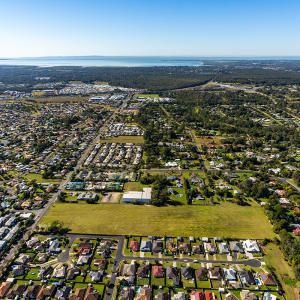
This approach has become more common across established suburbs where ageing housing stock sits on well-located land close to schools, transport and employment hubs. Rather than leaving these areas, buyers can remain within established neighbourhoods while upgrading to a modern home.
For many buyers, the primary appeal is location retention. Established suburbs often offer mature streetscapes, larger blocks and proximity to amenities that newer estates may take years to develop.
Design flexibility is another factor. Knockdown rebuild projects allow buyers to design homes specifically suited to their block orientation, frontage width and lifestyle preferences. Builders specialising in this space frequently work with custom or semi-custom designs, which can better respond to irregular blocks, corner sites or planning overlays.
However, the process typically involves more complexity than purchasing a new home in an estate. Buyers may need to manage demolition permits, planning approvals, site preparation and temporary accommodation during construction. Costs can also be less predictable due to site conditions, infrastructure upgrades or council requirements.
Buying new in a greenfield estate
Purchasing a newly built home or house-and-land package in a masterplanned estate offers a different value proposition.
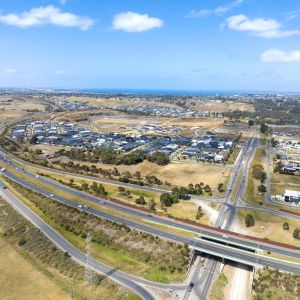
In growth corridors around major cities, large developers are delivering communities designed around new infrastructure, open space and integrated amenities. Buyers can often secure a brand-new home without navigating the complexities of demolition or custom construction.
House-and-land packages are generally structured to streamline the process. Buyers select a block and a compatible home design, with the builder managing approvals, construction timelines and site preparation.
Pricing transparency is often a key attraction. Compared with knockdown rebuild projects, house-and-land packages tend to have clearer upfront costs and standardised building processes.
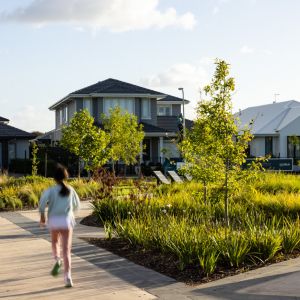
New estates also offer buyers access to modern infrastructure from the outset, including parks, walking networks and new schools planned within the community. For first-home buyers especially, these areas can represent a more affordable entry point compared with established suburbs closer to city centres.
The trade-off is location maturity. Many greenfield estates take years to fully develop retail precincts, transport connections and community facilities. Commute times can also be longer depending on employment locations.
The buyer decision: control versus convenience
For buyers comparing these two pathways, the choice often comes down to priorities.
Knockdown rebuild projects typically favour buyers who place a premium on location and are willing to navigate a more involved building process. Retaining access to established schools, transport and community networks can outweigh the additional complexity.
Buying new in an estate, on the other hand, often appeals to buyers seeking a simpler pathway to home ownership with more predictable costs and construction timelines.
Budget also plays a role. While knockdown rebuild projects can deliver high-quality homes in desirable suburbs, the combined cost of land acquisition, demolition and construction can exceed the price of house-and-land packages in outer growth areas.
The long-term perspective
For many buyers, the decision ultimately reflects how they balance lifestyle, location and long-term value.
Established suburbs continue to attract knockdown rebuild activity as older housing stock reaches the end of its lifecycle. At the same time, Australia’s expanding growth corridors remain central to delivering large volumes of new housing.
Both options provide pathways to a new home. The key difference lies in whether buyers prioritise building exactly where they want to live, or securing a new property within emerging communities designed for future growth.

Joel Robinson
Joel Robinson is the Editor in Chief at iBuildNew, where he leads the editorial team and oversees the country's most comprehensive news coverage dedicated to the new home building industry. With more than a decade of experience in residential real estate journalism, Joel brings deep insight into Australia's evolving home building and construction landscape.