Masterplanned estate vs established suburb: What buyers give up, and gain

The decision between buying in a masterplanned estate or an established suburb isn’t just about price or postcode. It’s a structural choice about how much certainty, flexibility and future change a buyer is willing to accept, and what they’re prepared to trade for it.
As new estates continue to absorb a growing share of first-home buyers and upgrader demand, particularly in growth corridors, the contrast with established suburbs has become sharper. Each option offers distinct advantages, but they come with compromises that aren’t always obvious at inspection stage.
What masterplanned estates give buyers
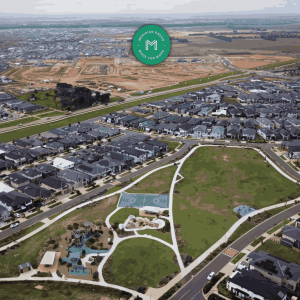
The primary appeal of a masterplanned estate is predictability. Buyers are entering a controlled environment where land use, housing typologies, streetscapes and amenity delivery are planned years in advance.
For many households, that certainty has tangible benefits. New homes generally mean lower maintenance, stronger energy efficiency standards, and fewer unknowns around structural issues. Estates also tend to offer clearer entry pricing, particularly for house-and-land packages, which can simplify budgeting and finance approvals. There’s also a lifestyle logic to modern estates. Walking trails, parks, childcare centres and local retail are often embedded into the plan rather than retrofitted.
For buyers prioritising day-to-day functionality, school drop-offs, open space, home layouts designed around contemporary living, this can outweigh the lack of history or character. However, that clarity comes with constraints. Design guidelines, covenant controls and limited scope for renovation can restrict personalisation over time. Block sizes are often smaller, and buyers must accept that surrounding construction may continue for years after they move in. The neighbourhood they buy into on day one is rarely the finished product.
What established suburbs offer instead
Established suburbs trade planning certainty for depth and adaptability. Buyers typically gain immediate access to mature infrastructure, schools with established reputations, entrenched transport links, and retail precincts that function independently of future population growth. Streetscapes are settled, and neighbourhood character is largely fixed.
From an asset perspective, established areas often provide stronger scarcity value. Limited land supply, varied housing stock and the potential to renovate or redevelop over time can support long-term capital growth, particularly in tightly held suburbs.
But this flexibility carries its own risks. Older housing stock can mean higher upfront maintenance costs, compliance upgrades, or renovation blowouts. Energy efficiency is often weaker, and floorplans may not align with modern living expectations without substantial investment. Price transparency can also be lower. Buyers are competing in a resale market influenced by emotional bidding, inconsistent renovation quality, and unpredictable settlement timelines.
The trade-offs buyers rarely consider early
One of the most overlooked differences is how each option ages. Masterplanned estates tend to improve as infrastructure is delivered and communities fill in, but values can plateau if similar estates continue to open nearby. Established suburbs, by contrast, may appear static at first but often benefit from incremental upgrades, rezoning or generational turnover.
There’s also a behavioural element. Buyers in estates often accept a longer time horizon, prioritising affordability and lifestyle functionality now, with growth expected later. Established-suburb buyers are typically paying a premium upfront for location certainty and optionality. Neither approach is inherently superior.
The better choice depends on a buyer’s tolerance for change, their renovation appetite, and how they weigh lifestyle certainty against long-term flexibility.
Choosing between certainty and optionality
At its core, the masterplanned versus established debate is about control. Masterplanned estates offer clarity, efficiency and a lower-stress entry point into home ownership, particularly for buyers who value new builds and predictable outcomes.
Established suburbs offer adaptability, character and often stronger long-term scarcity, but require greater due diligence and financial resilience.
For buyers, the right decision isn’t about which model is “better”, it’s about which compromises align with their stage of life, risk profile and expectations of how they’ll use the home over the next decade.

Joel Robinson
Joel Robinson is the Editor in Chief at iBuildNew, where he leads the editorial team and oversees the country's most comprehensive news coverage dedicated to the new home building industry. With more than a decade of experience in residential real estate journalism, Joel brings deep insight into Australia's evolving home building and construction landscape.