Passive Heating & Cooling Hacks for Building a New Home
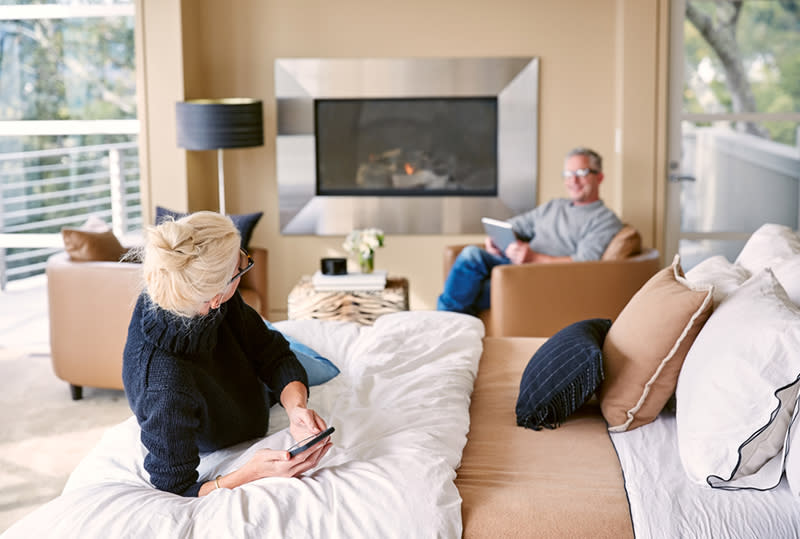
One of the perks of building a new home is that you can incorporate energy efficient materials and designs to create a more comfortable living environment and save money on heating or cooling in the long term.
Passive design is an approach which takes advantage of the climate to regulate the temperature range in your home. It reduces the need for auxiliary heating or cooling, which accounts for about 40% or more of energy use in an average Australian home.
There are many elements in passive design which work together to lower your electricity bills and reduce greenhouse gas emissions. Both passive heating and cooling are applicable across Australia, but the emphasis will differ depending on your climate zone.
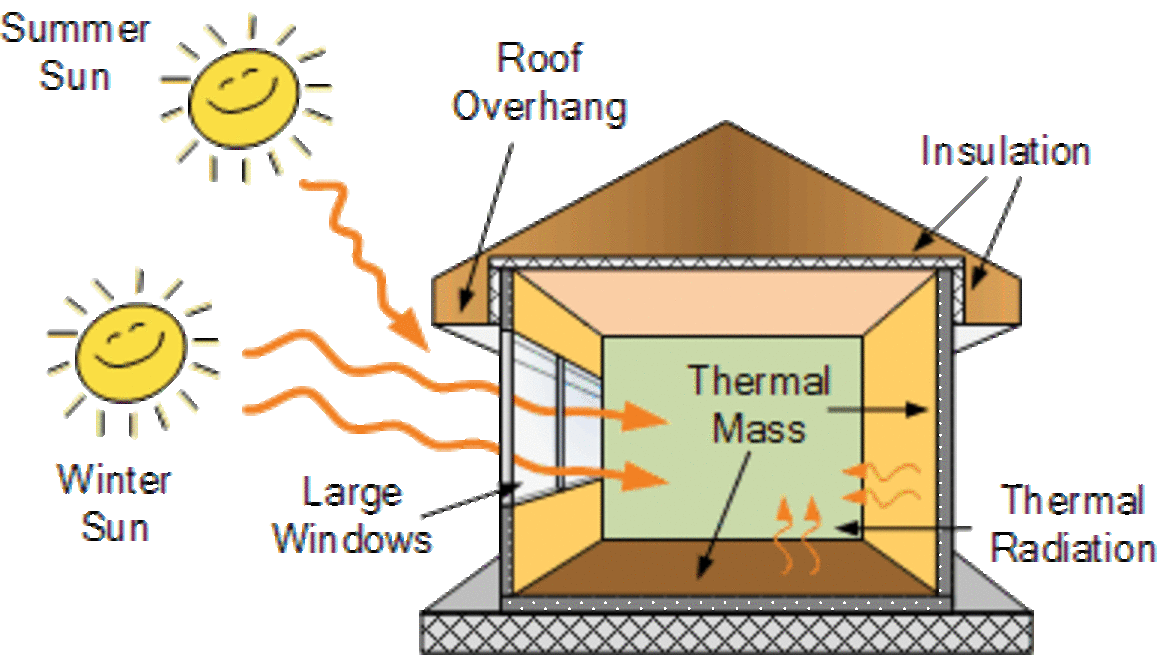
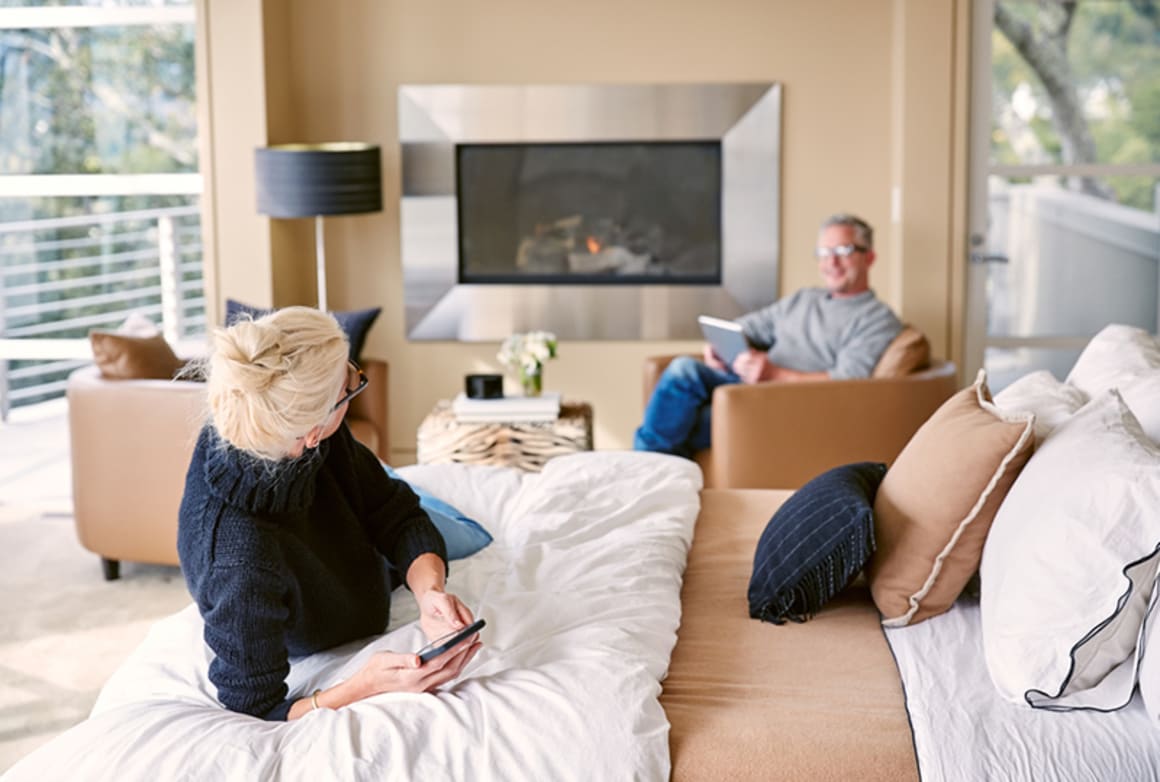 Credit: Master Builders Association
Passive Solar Heating: Letting in the winter sun to retain heat inside the house.
Maximise solar heat gain
- Include north facing windows to let in the sun - Allow the sunlight to fall on materials with high thermal mass (e.g. concrete, bricks and tiles), which can store heat for later release - Choose a floor plan where the areas with high traffic (e.g. living area) face north and receive the best winter solar access - Choose a floor plan with less external wall area, which makes it easier to heat the whole area.Reduce solar heat loss
- Include well-insulated walls, ceilings and suspended floors - Consider glazing to prevent heat loss through cold outside air - Reduce air infiltration with airlock (a buffer zone for the internal and external environment), airtight construction detailing and quality windows and doors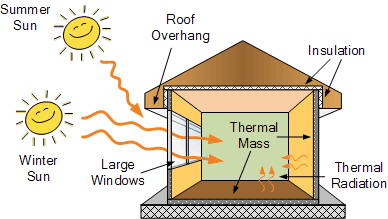
Passive Cooling: keeping out the summer sun and allow the built up heat to escape
Minimise solar heat gain
- Use reflect coating on windows, exterior walls and roofs - Use lighter coloured roofs to reflect heat - Include carefully designed overhangs to avoid direct summer sun - Selectively use materials with a low thermal mass to avoid storing too much heat (e.g. timber) - Choose a floor plan with the garage or buffer zones (stairs, corridors, laundry) on the west side of the house to protect the most occupied spaces from hot afternoon sun - Consider upgrading the insulation offered by your builderIncrease solar heat loss
- Choose a floor plan with a narrow or open plan layout to encourage air movement - Install a solar chimney for natural convection Other things to consider are the block attributes. Engage with a builder or expert who has in-depth knowledge and experience about passive design, and find out the costs involved.Related Articles:
6 Steps for Choosing a Floor Plan with Good Feng Shui
8 Things to Consider for a Great Alfresco Area
Eliminate hidden costs, become the expert on inclusions

Joel Robinson
Joel Robinson is the Editor in Chief at iBuildNew, where he leads the editorial team and oversees the country's most comprehensive news coverage dedicated to the new home building industry. With more than a decade of experience in residential real estate journalism, Joel brings deep insight into Australia's evolving home building and construction landscape.