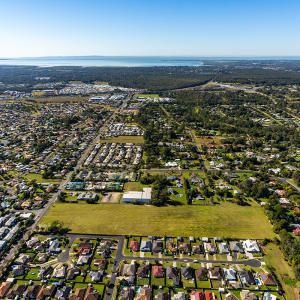
Single vs double storey: Which design suits your lifestyle?
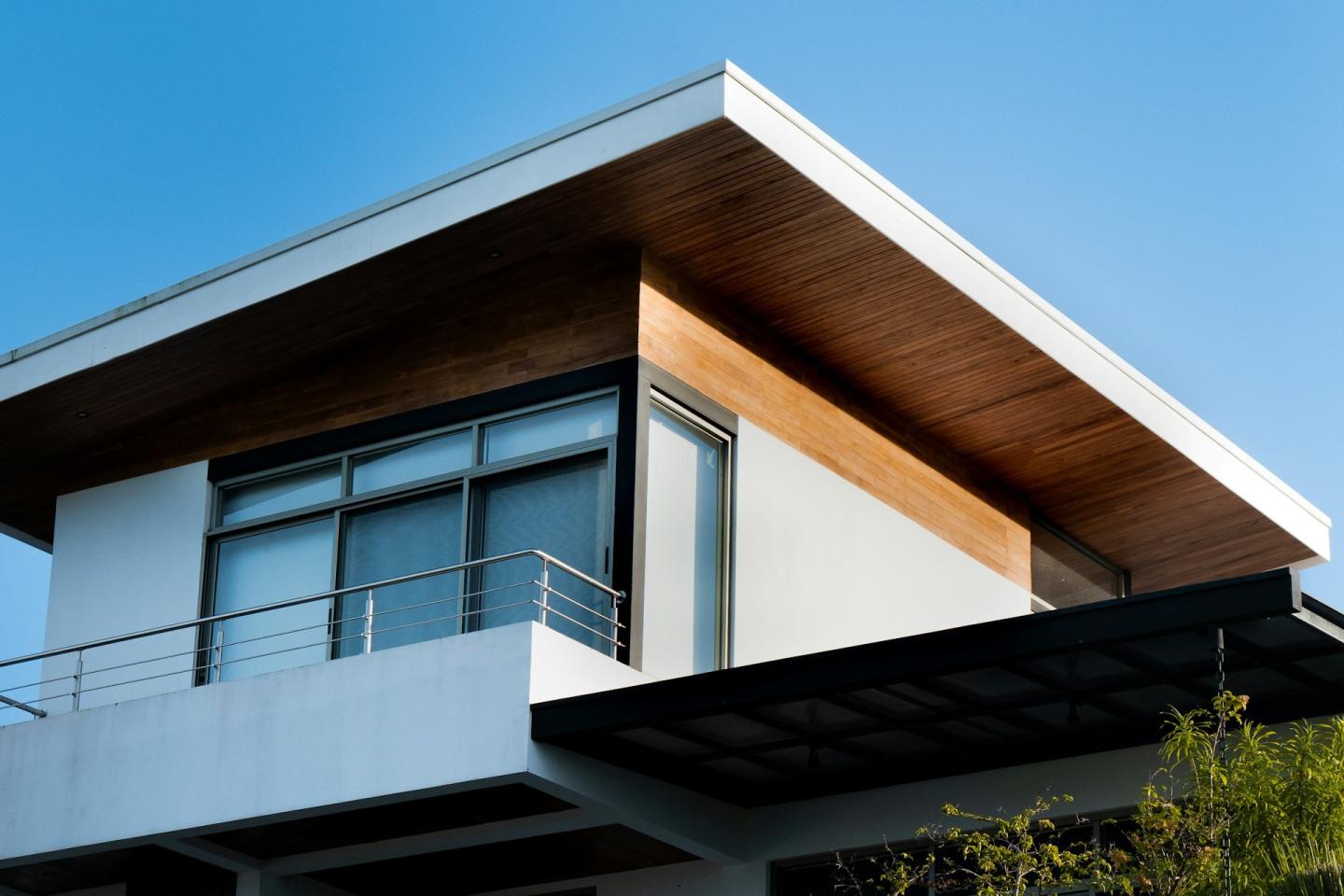
Choosing between a single or double storey home is often framed as a practical decision, block size, budget, or how many bedrooms you need. But beneath those tangible factors sits a more important question: how do you want your home to support the way you live, now and in the years ahead?
Because once the build is complete, the decision isn’t just about floorplans. It influences how your days flow, how your household interacts, and how easily your home adapts as life changes.
For many buyers, this choice is made early, sometimes too early, before they’ve really considered what their lifestyle demands beyond move-in day.
Experience, not just design
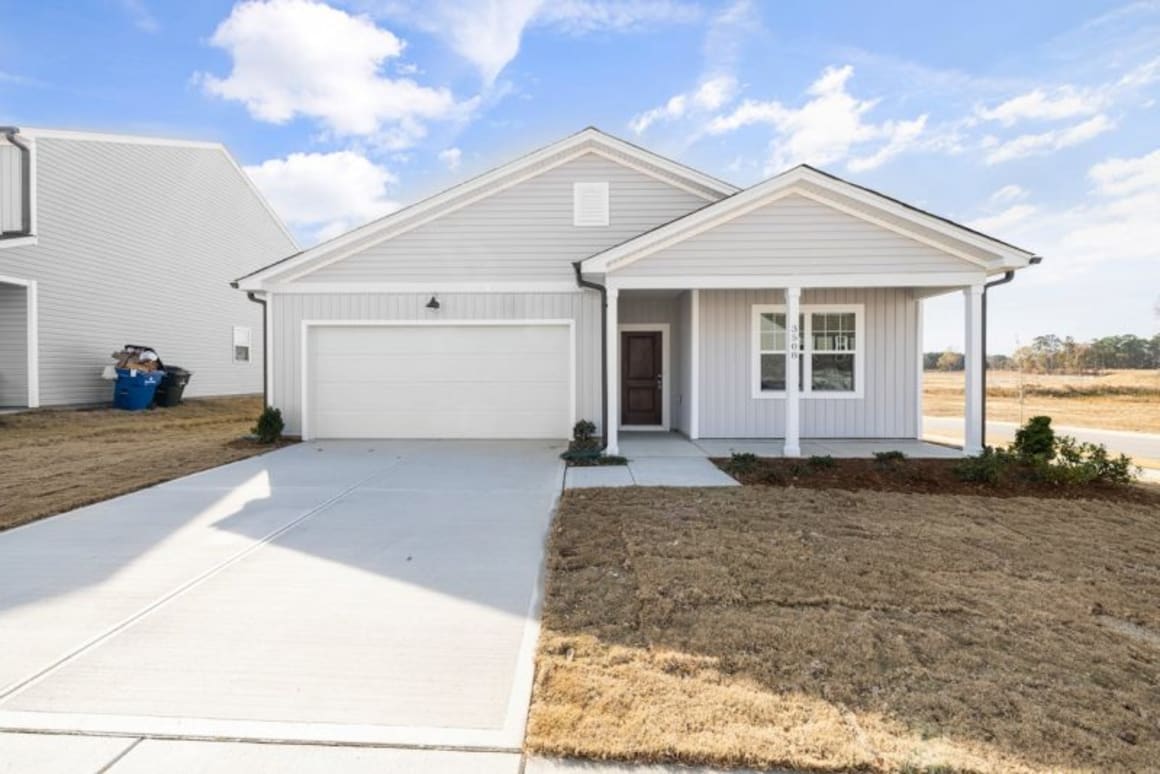
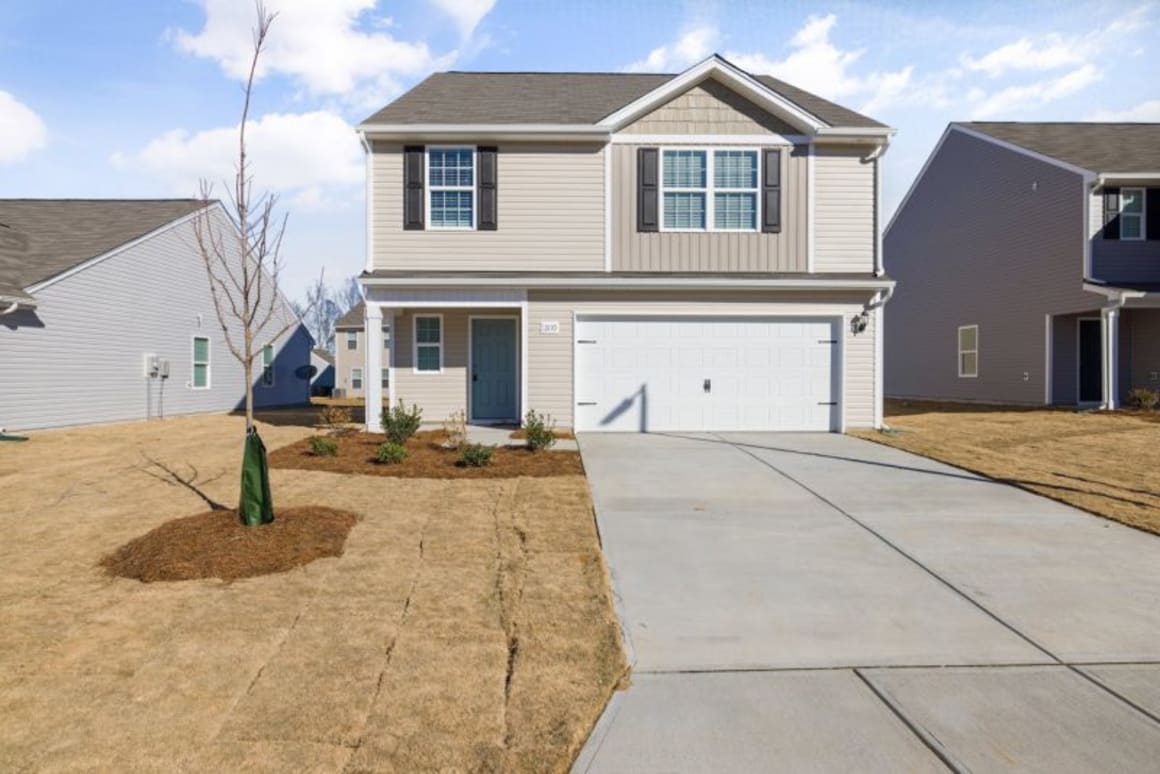
At its core, the single versus double storey debate is about experience, not just design. A single storey home tends to prioritise ease and immediacy. Everything is on one level, which subtly shapes how people move, gather and interact. Daily routines often feel simpler, from supervising young children to moving between kitchen, living and outdoor spaces without physical barriers. Over time, this layout can feel intuitive and calm, especially for households that value visibility, accessibility, and a strong connection between indoor and outdoor living. But what buyers don’t always think about is how this openness affects privacy and noise. In a single storey home, shared spaces and bedrooms are often closer together. This can foster connection, but it can also blur boundaries, particularly as children grow older, work-from-home becomes permanent, or households include multiple generations. Double storey homes, by contrast, introduce separation by design. Upstairs and downstairs zones naturally divide living, sleeping and working areas. For some households, this separation becomes invaluable, offering retreat, quiet, and flexibility as lifestyles become more complex. What’s often overlooked, however, is how vertical living changes everyday habits. Stairs subtly influence behaviour: where people spend time, how often they move between zones, and even how spaces are used long-term. An upstairs rumpus might feel essential now, but does it still function well if it becomes underused? Will bedrooms upstairs suit everyone in the household five, ten, or twenty years from now? There’s also a psychological element that rarely gets discussed. A double storey home can feel larger and more dynamic, but it can also fragment family life if spaces become too separated. Meanwhile, a single storey can feel grounded and cohesive, but less forgiving when multiple activities happen at once.How you live, not how you imagine
The most important consideration, then, isn’t resale value or façade appeal, it’s how honestly buyers assess their own lifestyle.- Are you seeking togetherness or separation?
- Do you value flexibility or simplicity?
- Is your household likely to change significantly over time, or are you building for a more settled phase of life?

Joel Robinson
Joel Robinson is the Editor in Chief at iBuildNew, where he leads the editorial team and oversees the country's most comprehensive news coverage dedicated to the new home building industry. With more than a decade of experience in residential real estate journalism, Joel brings deep insight into Australia's evolving home building and construction landscape.