The essential questions to ask before buying land

For many buyers, purchasing land is less about securing a patch of earth and more about securing control, control over design, over how the home functions, and over the long-term direction of the household.
The first question, then, is whether buying land is the right pathway at all. You might find yourself considering it if the current market doesn’t offer the kind of home you need today, or the one you expect to need in the decade ahead. Land tends to suit those who want greater influence over design, layout and future livability than an established home or turnkey build can provide.
You’re likely on the right path if you:
- Need specific zoning or layout flexibility, such as bedroom separation, a dedicated study, or space for future extensions.
- Value outdoor space and the ability to shape the block, rather than choosing the immediate convenience of a move-in-ready home, a common driver for upgraders seeking more usable land.
- See building from scratch as the clearest route to affordability, particularly if you’re a first-home buyer balancing long-term value with upfront cost considerations.
1. The shape of the block, not just the size
Buyers often focus on land size in square metres, but two blocks with the same area can differ dramatically in what they allow. Narrow or irregular sites may limit façade options, garage placement or room widths. Corner blocks introduce both opportunities (dual access, natural light) and constraints (setbacks, fencing rules). A block might technically fit your preferred floorplan, but not without structural changes. The forgotten question: How will the shape, not just the size, affect what I can actually build?2. Fall and slope, the biggest silent cost driver
A gentle slope can feel insignificant during a walk-through, but even minor fall across a site can add thousands to site costs. Retaining walls, stepped slabs, additional drainage and engineered structures often stem from contours that go unnoticed until the builder measures them. The forgotten question: What will this slope cost me once construction begins?3. Soil classification and site conditions
Soil type determines the complexity of the foundation. Highly reactive clay or rock-heavy sites require specialised engineering and carry higher slab costs. Many buyers assume soil testing happens later in the process, but by then, they’re already emotionally committed to the block. The forgotten question: Is the soil type aligned with my budget and the style of home I want?4. Orientation and how it affects the home’s energy performance
North-facing living spaces can reduce reliance on artificial heating and cooling, improve natural lighting and support long-term sustainability. Yet orientation is often dismissed because buyers focus on price, frontage or estate position. A poorly oriented block can force compromises in layout or energy efficiency later. The forgotten question: Will this block allow me to put the living areas where they perform best?5. Easements, setbacks and hidden spatial limits
Easements for drainage or utilities restrict where you can build, sometimes reducing usable backyard space or preventing future extensions. Setbacks imposed by councils or estates can also change the positioning of the garage, porch or outdoor areas. The forgotten question: How much of this land is actually buildable?6. When the land will title, and how that affects your timeline
Buyers often underestimate how titling impacts loan approvals, build start dates and financial planning. Land releasing in 3–18 months affects everything from rental commitments to interest rate changes. Longer titling periods also mean more time for personal circumstances, or market conditions, to shift. The forgotten question: Does the titling timeline match when I truly need the home?7. Estate design guidelines and what they mean for build costs
Many masterplanned communities require certain façades, roof materials, landscaping treatments or sustainability measures. While these create cohesive neighbourhoods, they can add cost or limit design freedom. The forgotten question: Do the guidelines align with my preferred builder and façade style?8. Surrounding infrastructure, not just what exists, but what’s planned
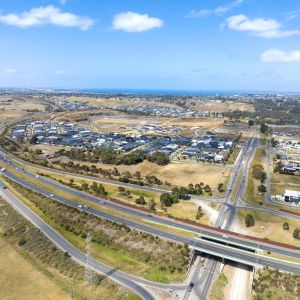
Future schools, town centres, road upgrades and transport links significantly influence long-term value, but buyers tend to focus only on what’s built today. In emerging communities, the sequencing of infrastructure matters: will key amenities arrive during your early years there, or well after? The forgotten question: What will this neighbourhood actually look like in five years?9. Environmental overlays and flood considerations
Some areas include bushfire overlays, flood zones, heritage protections or vegetation controls. These don’t make a block unviable, but they do affect construction methods, insurance and council approvals. The forgotten question: Are there overlays that could limit or reshape my build?10. How the land connects to your lifestyle, not just your budget
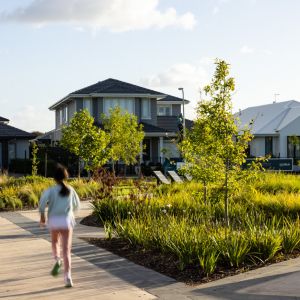
The most easily forgotten step is aligning the block with how you’ll live, not just what you can afford. Consider whether the backyard gets afternoon sun, whether the street layout supports walkability, whether proximity to parks fits your routine, and whether future density around the site matches your preference for quiet or activity. The forgotten question: Does this block support the rhythms of our life in a way an existing home can’t?Land is rarely a blank canvas
The appeal of buying land lies in creating something tailor-made, a home that fits your family’s needs today and the way you expect life to evolve. But land is rarely a blank canvas. Every block comes with conditions, opportunities and constraints that shape what’s possible. By examining the factors buyers commonly overlook, you strengthen both the build outcome and the long-term value of the home you’re planning to create.
Joel Robinson
Joel Robinson is the Editor in Chief at iBuildNew, where he leads the editorial team and oversees the country's most comprehensive news coverage dedicated to the new home building industry. With more than a decade of experience in residential real estate journalism, Joel brings deep insight into Australia's evolving home building and construction landscape.