What design showrooms reveal: Inside Mimosa’s MPORIUM
Once land has been secured and a floorplan selected, the home-building process enters a more complex phase. Attention shifts away from site constraints and layout efficiency toward the interior decisions buyers will live with every day: the materials, finishes and fixtures that define how a home...
Once land has been secured and a floorplan selected, the home-building process enters a more complex phase. Attention shifts away from site constraints and layout efficiency toward the interior decisions buyers will live with every day: the materials, finishes and fixtures that define how a home looks, feels and performs over time.
It is also the stage where decision-making tends to accelerate. Flooring, cabinetry, benchtops, tapware, lighting and colour selections are often assessed in quick succession, with each choice carrying long-term implications for maintenance, comfort and resale value.
Digital tools now play a central role in this process. Floorplans, renderings and virtual walkthroughs help buyers visualise spaces early, while display homes present a fully resolved version of a finished design. But as the number of choices increases, these tools can still leave gaps between specification and lived experience.
That is where design showrooms continue to serve a distinct purpose. Rather than presenting a single outcome, they support decision-making, allowing buyers to test, compare and understand interior selections before they become fixed.
What design showrooms still reveal
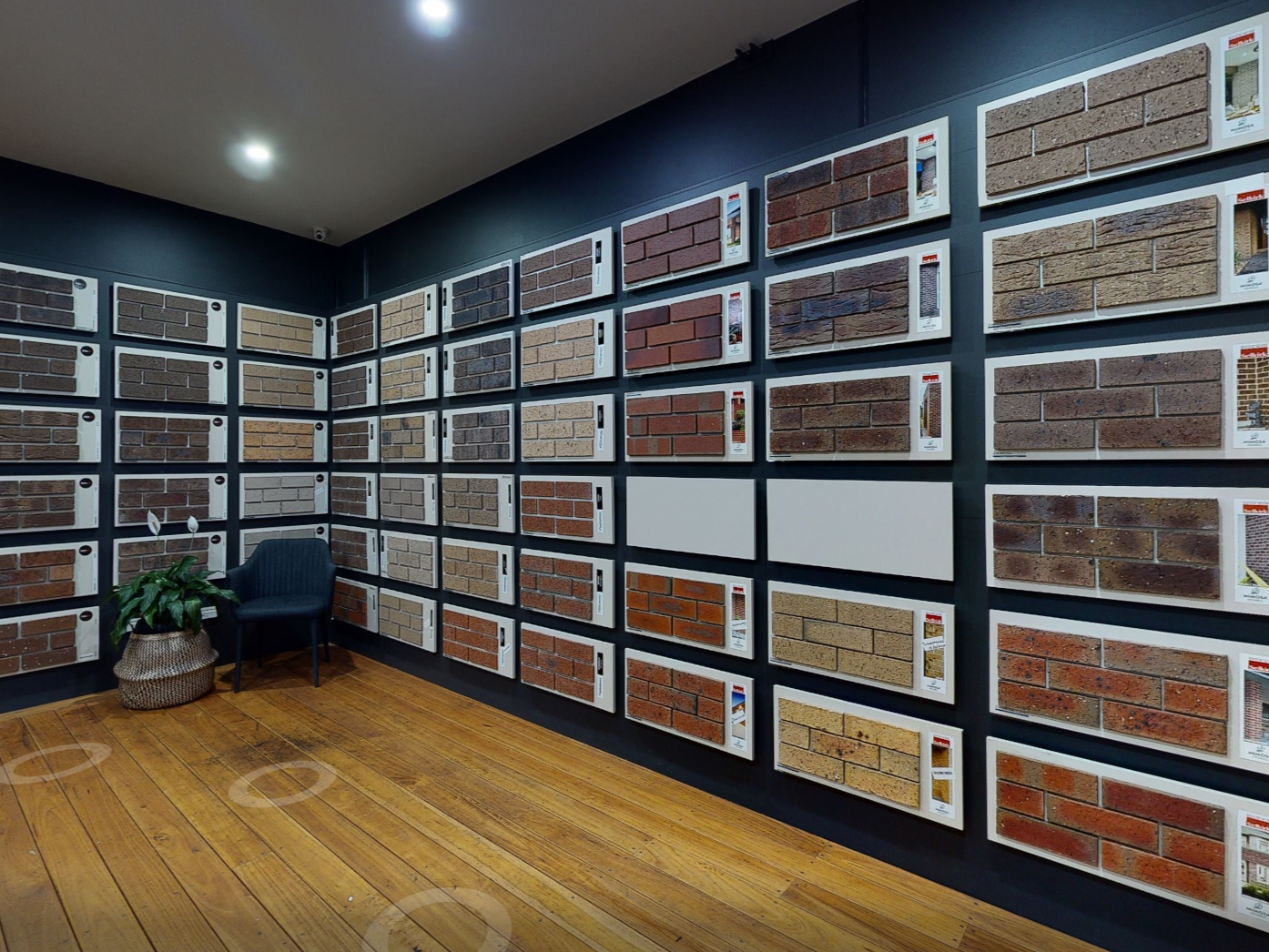
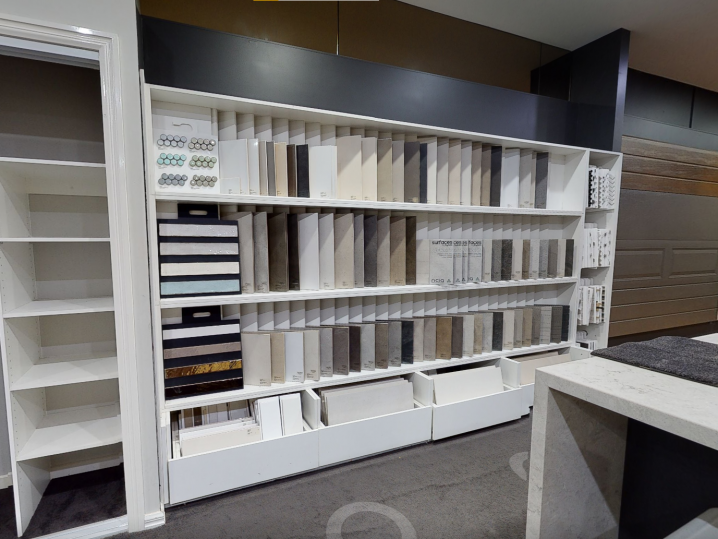
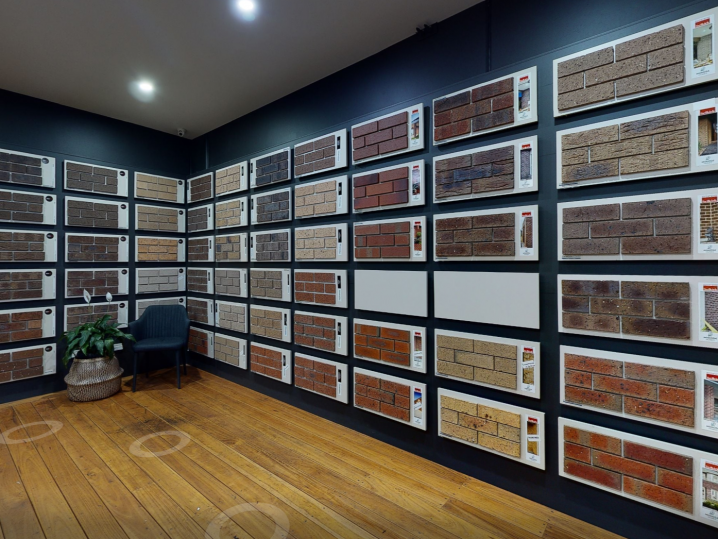
For those weighing up whether a physical visit adds value beyond images, showrooms continue to reveal practical insights that are difficult to replicate digitally:- Materials behave differently at scale. Finishes that appear straightforward online can read very differently when viewed together and in proportion. Showrooms allow cabinetry, benchtops, flooring and wall finishes to be assessed as part of a complete palette rather than as individual samples.
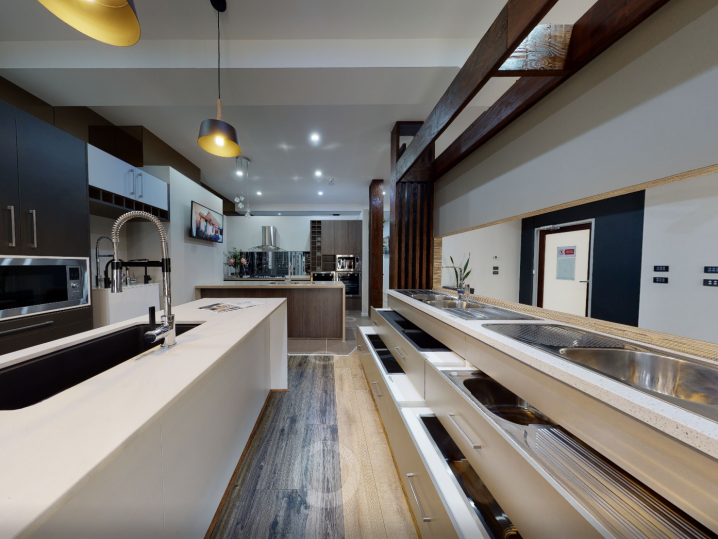
- Product specifications don’t always translate to experience. Weight, texture, reflectivity and tactility, particularly for high-use elements such as tapware and joinery, are better understood through direct interaction than description alone.
- Colour is highly dependent on light and context. Seeing materials under consistent lighting conditions helps buyers understand how tones shift with shadow, adjacency and surface finish, reducing the risk of unexpected outcomes once installed.
- Showrooms also expose trade-offs, not just options. They make clearer where upgrades materially improve daily use, where standard inclusions perform just as well, and how different selections influence budgets over time.
Inside Mimosa’s MPORIUM
For Mimosa Homes, physical walkthroughs extend beyond completed display houses through MPORIUM, the builder’s dedicated home design showroom in Melbourne’s west. Rather than treating design selection as a transactional step, MPORIUM brings key interior elements together in a single environment. Surfaces, finishes, fixtures and colour palettes are presented in combination, allowing decisions to be considered in context rather than isolation. The focus is less on individual products and more on how selections translate into lived spaces. Materials can be viewed at scale, compared side by side, and assessed for both aesthetic coherence and practical performance. The showroom also reflects a broader understanding that clarity at the design stage often comes from structure as much as choice. For many visitors, the value lies in guidance, understanding how selections perform over time, how they affect maintenance, and how they align with different budgets and lifestyles. Mimosa’s in-house design team remains present throughout the experience, supporting buyers as decisions are made rather than leaving options to be interpreted independently.Clarity over choice
With more information available than ever before, confidence increasingly comes from clarity rather than volume. Spaces like MPORIUM aim to reduce uncertainty by slowing the process down, allowing buyers to touch, compare and question before committing. For those unable to visit in person, Mimosa has also introduced a virtual tour of MPORIUM, extending that transparency beyond the showroom floor. While it does not replace the physical experience, it allows buyers to familiarise themselves with the process early and approach selections with greater preparation. Ultimately, MPORIUM is less about the showroom itself, and more about what it represents: a recognition that building a home is as much a decision journey as it is a construction one. At a point in the process where decisions multiply quickly, a space dedicated to comparison and context can help you move forward with greater certainty.
iBuildNew Editorial Team
As the specialist voice of Australia’s largest new home building resource, the iBuildNew Editorial Team delivers deep-dive coverage into the house and land sector. From analysing new estate launches to highlighting the country’s leading home designs, we track the building journey to provide clarity for every buyer.