How To Build An Eco-Friendly House Design

Eco-friendly house designs or green home designs have really taken off within the past decade or so. These days there are some small changes that you can make to your home, or aspects of the design to keep in mind, that will create an eco-friendly home. Building an eco-friendly home has quickly...
How To Build An Eco-Friendly House Design
iBuildNew Editorial TeamJune 24, 20183 min read
Eco-friendly house designs or green home designs have really taken off within the past decade or so. These days there are some small changes that you can make to your home, or aspects of the design to keep in mind, that will create an eco-friendly home. Building an eco-friendly home has quickly become a popular option for builders to explore, also partially due to cost reductions. The decision to build eco-friendly and sustainable house design is an important one to make. While you don't necessarily need to include every feature available, there are certainly some features you can include which will help you save money in the long run. Positioning How you decide to position your house will have a huge impact on how environmentally effective it is. Its orientation (size, shape) should ideally function so it doesn't need lots of energy to heat or cool it. Things such as getting the most of the breeze or sunlight coming through your living room window need to be considered. Also, consider which point the sun will rise, so your house has the “right” amounts of light beaming through. If you design your property with windows that can encourage a cross-breeze, there won't be a much reliance on fans or air conditioning to help cool your house. Conserve Water
screen-shot-2018-06-24-at-7-54-20-pm

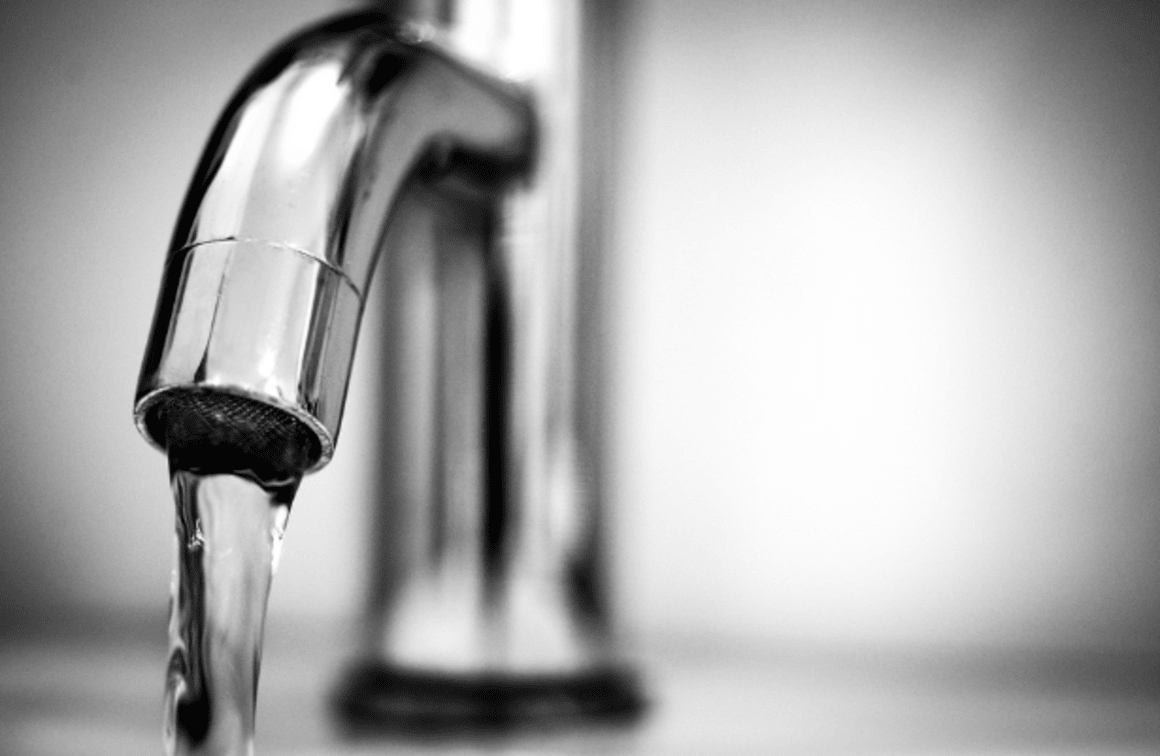
In the past several years there has been a renewed awareness of water consumption and conservation. You can take steps toward tackling this issue by creating an eco-friendly home. Consider purchasing fixtures and appliances that conserve water – things such as lower flow taps, water-saving heaters and highly rated energy-star products. Also, consider capturing any rainwater which falls on your property. This rainwater can then be used to help run other features or help irrigate your garden. Consider Going Small If you're looking to be environmentally sustainable with your house, smaller may be better. Simply put, a smaller built home is going to create less environmental impact. While a larger sized home is going to cost more in heating, cooling, maintenance and upkeep overall.

Using Sustainable Building MaterialsIf you have decided to go ahead and build an eco-friendly house, using environmentally products and materials should be on top of your list. By doing this, you will reduce the impact of construction on the environment. Consider every part of your house, including roofing materials, building materials, floors, counters, and walls. Consult your builder to see if they are using materials such as recycled lumber, plastic, glass or natural products which are made from renewable materials.

How can iBuildNew help

For more information regarding building a new home, or renovating an existing home, be sure you speak to one of our home building experts on 1800 184 284. They are independent and motivated to see you achieve your property and investment goals.
iBuildNew Editorial Team

iBuildNew Editorial Team

As the specialist voice of Australia’s largest new home building resource, the iBuildNew Editorial Team delivers deep-dive coverage into the house and land sector. From analysing new estate launches to highlighting the country’s leading home designs, we track the building journey to provide clarity for every buyer.