How to Choose the Best Window Orientation for Your New Home in Australia
When building a new home in Australia, one of the most important considerations is window orientation. The way your home’s windows are positioned can significantly affect natural lighting, energy efficiency, comfort, and overall liveability. Choosing the right window orientation in different climates in Australia ensures your home maximises sunlight while protecting against heat or cold.
Why Window Orientation Matters
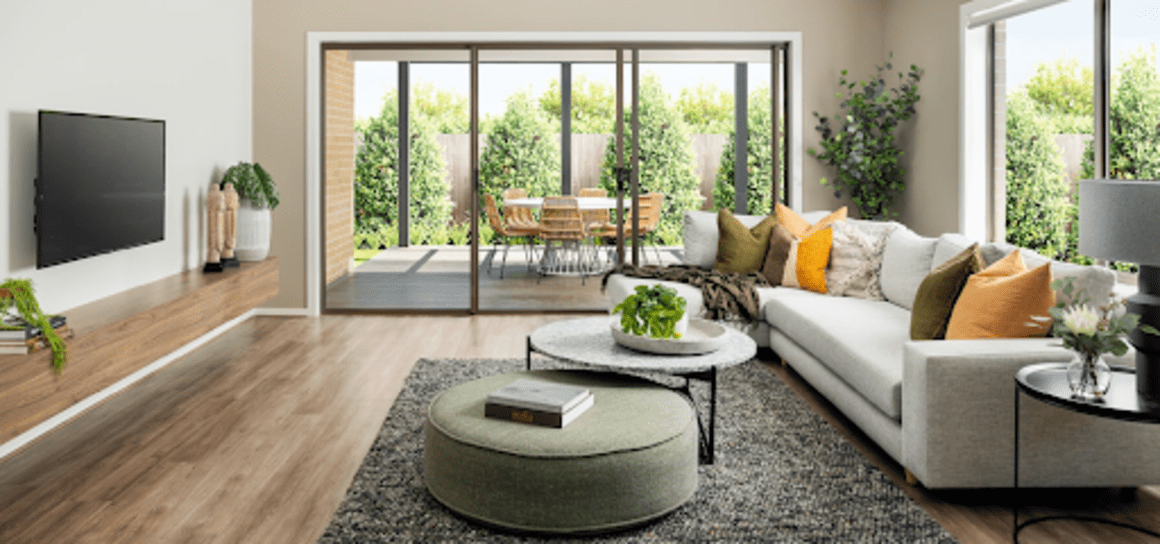
The orientation of your windows determines how much natural light enters your home and how heat is managed. Proper window placement can reduce your reliance on artificial lighting and heating, leading to significant energy savings. On the other hand, poorly positioned windows can cause rooms to overheat or be too dark, making your home uncomfortable to live in and increasing your energy bills. In Australia, the climate varies significantly from region to region, so understanding how to orient your windows based on your location is essential for maximising energy efficiency and comfort.
Best Window Orientation for Australian Homes
1. North-Facing Windows (Ideal for Solar Gain)
In Australia, the north-facing windows are generally the most beneficial for natural light and solar heat gain. Due to the country’s position in the southern hemisphere, the sun is predominantly in the northern half of the sky. North-facing windows receive the most direct sunlight throughout the day, especially in the winter months when the sun is lower in the sky. Consider adding eaves or shading devices above north-facing windows to protect your home from excessive heat in summer.
2. East and West-Facing Windows (Manage Heat Gain and Loss)
East-facing windows receive the morning sunlight, while west-facing windows catch the afternoon sun. These orientations can bring in a lot of sunlight, but they can also cause discomfort if not properly managed. East-Facing Windows:
Receive cool morning sunlight, which is often desirable for bedrooms or living areas.
Can help heat rooms in the morning, but the sun is less intense compared to afternoon sunlight.
West-Facing Windows:
Afternoon heat can make west-facing rooms excessively hot, especially in summer, leading to higher cooling costs.
While west-facing windows can be used for sunlight and warmth in cooler months, they should be carefully managed with appropriate shading in warmer seasons.
3. South-Facing Windows (Best for Cooler Rooms)
South-facing windows receive the least direct sunlight, especially in the middle of the day. While they’re less effective for heating purposes, they are perfect for rooms where you want to keep the temperature cool, like kitchens, bathrooms, or utility rooms. While south-facing windows are ideal for cooling, you may want to add more windows or larger openings on the north side of your home to maximise natural light.

Considerations for Energy Efficiency
Choosing the right window orientation is not just about sunlight but also about reducing energy consumption. Here are some tips for ensuring that your windows enhance the energy efficiency of your home:
Double Glazing: Install double-glazed windows to enhance insulation. This will help keep your home cooler in summer and warmer in winter by reducing heat loss.
Window Film: Use low-e glass or tinted films to reduce heat transfer and glare while still allowing natural light to enter.
Shading: Install external shading options, like pergolas or awnings, to prevent overheating while still allowing light to enter during cooler months.
Ventilation: Proper cross-ventilation through strategically placed windows can reduce the need for artificial cooling.

How to Plan Your Window Orientation
Here are a few practical steps to help you plan the ideal window orientation for your new home:
Consider Your Location: Think about the climate of your area. If you're in a warmer region, north-facing windows will maximise solar gain in winter but consider shading for summer. For cooler climates, south-facing windows will help keep your home comfortable year-round.
Room Purpose: Decide which rooms need the most sunlight (e.g., living rooms or kitchens) and which should remain cooler (e.g., bedrooms or bathrooms). Place north-facing windows in sunny spaces and south-facing windows in cooler areas.
Architectural Design: Your architect or builder can help you integrate window orientation with your home’s design to maximise energy efficiency and comfort. Discuss shading, overhangs, and glazing options for each side of your home.
Test with a Virtual Tour: Some builders, like ABC Homes, offer 3D virtual tours where you can experiment with window placements and orientations. This helps you visualise how the home will look in different light conditions.
The Key to a Sustainable Home

Choosing the best window orientation for your new home is essential to creating a comfortable, energy-efficient living environment. By working with professionals to determine the optimal window placement and incorporating modern technologies like double glazing and shading solutions, you’ll create a home that stays comfortable year-round, reduces energy costs, and maximises your home’s appeal.

Joel Robinson
Joel Robinson is the Editor in Chief at iBuildNew, where he leads the editorial team and oversees the country's most comprehensive news coverage dedicated to the new home building industry. With more than a decade of experience in residential real estate journalism, Joel brings deep insight into Australia's evolving home building and construction landscape.