Stay and Renovate or Sell and Upgrade?

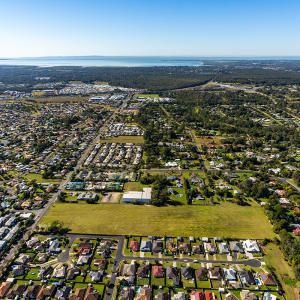
Finding what's best for you comes down to knowing how to act on a few key financial and lifestyle considerations geared well into your future vision. After a few years, most homeowners with changing lifestyles and needs are faced with a decision to either stay in their existing home, but invest in some substantial renovation work to add value and/or space, or simply sell up and upgrade to a new home (which may be an established home, or a new build).
The former decision is usually made because homeowners sometimes intend to stay in a particular suburb, and have carefully thought out a budget to add value to the property through renovation. The latter decision – to sell and upgrade - is typically made when it makes better financial, personal and practical sense to move on to a new property and a new lifestyle phase, which their older house can no longer accommodate.
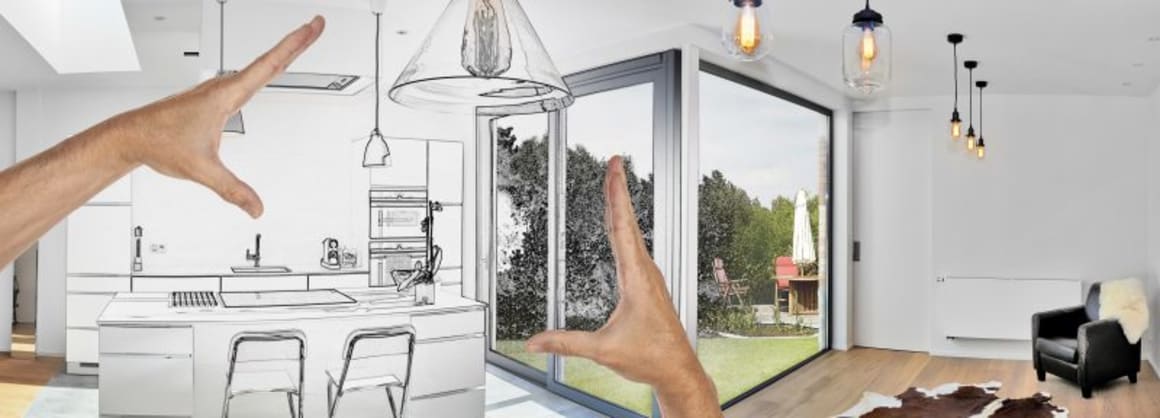
- Manufacturing value to modern standards to keep up with current market trends, ie paint is very effective and relatively uncostly.
- Adding space to accommodate more occupants and improve the overall comfort and functionality of the home is possible.
- Lowering energy costs through appliance upgrades and installations; new low costs fittings and fixtures.
- Future buyers have less to object to due to the improvements in fixtures and fittings, so should yield a better sale price down the track.
- You can generally enjoy more creative control over the process, décor and layout, while still retaining the things you already love.
- Homes that overcapitalise on ‘renovation’ in the form of adding anything high maintenance often end up being perceived as ‘out of place’ with homes on their street.
- Renovations don’t usually go as smoothly as they appear on popular TV reno programs, so it’s best to plan for them taking a little longer than you’d ideally have hoped.
- Occupants of a house under renovation will normally have to move out and incur rental costs and possible storage costs when the works get completed, which can often be up to 1 year.
- Can go well over budget if issues are encountered by the builder along the way, causing added financial stress and the risk of over-capitalising.
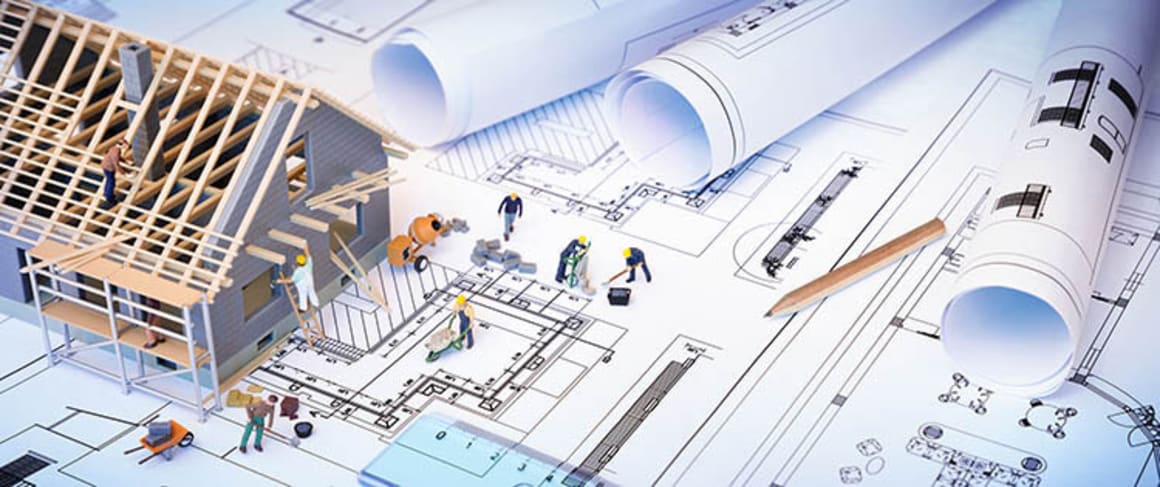
- It can often be quicker and more cost effective to actually knock down and rebuild the entire house (a topic for another day!)
- You can use capital growth in your existing home to purchase a more accommodating property, often in a better locale to suit your future needs.
- If you build rather than buy established, you can get exactly what you want and its all brand new, not just parts that get renovated.
- Accommodate the present and future needs of your family without enduring a messy renovation or making compromises.
- The opportunity to buy a house with built-in value such as attractive façade, prime orientation and solid bones.
- For those that build new, get full structural guarantees and even maintenance-free periods that you won’t get on a reno, or even buying another established home.
- The transfer of ownership costs can creep into the thousands – this includes conveyancing, marketing, agent fees, and council fees (stamp duty on the buyer's account). However, RACV members are entitled to some discounts on conveyancing services, which could save you some money here.
- Depending on the property cycle, coordinating a move from one house to another could mean one has to rent in the interim.
- The uncertainty of selling times means there’s an element of risk when it comes to purchasing property without having an unconditional sale on your existing house.

Joel Robinson
Joel Robinson is the Editor in Chief at iBuildNew, where he leads the editorial team and oversees the country's most comprehensive news coverage dedicated to the new home building industry. With more than a decade of experience in residential real estate journalism, Joel brings deep insight into Australia's evolving home building and construction landscape.