What is a pre-designed floor plan, and is it right for you?
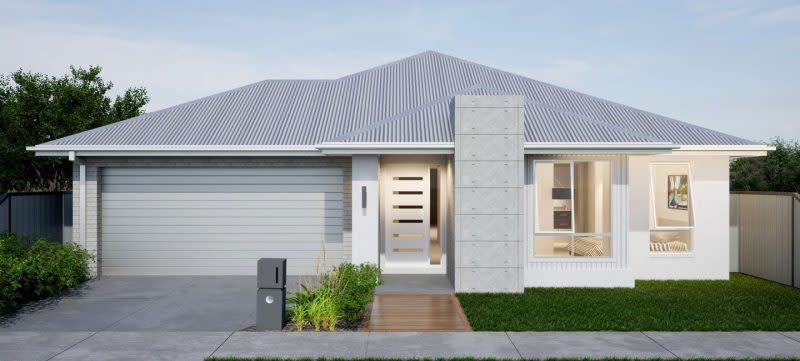
Pre-designed floor plans continue to anchor a large portion of Australia’s detached housing market, even as custom builds and bespoke layouts attract growing attention. Their staying power comes down to one thing buyers often underestimate early on: certainty.
Unlike custom designs that evolve through multiple drafting and costing stages, a pre-designed floor plan starts with a resolved layout, known dimensions, and a proven construction pathway. For many buyers, particularly those balancing budget discipline with time pressure, that clarity can be a decisive advantage.
Understanding what pre-designed homes offer, and where their limitations sit, helps buyers decide whether this approach genuinely fits their needs, rather than defaulting to it out of convenience.
What are pre-designed floor plans?
A pre-designed floor plan is a builder-developed home layout created before a buyer enters the process. Room configurations, structural systems, and core specifications are already resolved, allowing builders to price, approve, and construct these homes repeatedly across different sites. That doesn’t mean the home is “off the shelf” in a rigid sense.
Most pre-designed plans allow for selected modifications, façade choices, internal upgrades, and sometimes minor layout adjustments. The key distinction is that the starting point is fixed, not drawn from scratch. From a buyer’s perspective, this approach shifts much of the design risk away from the early stages and into known, tested outcomes.
Why buyers continue to choose pre-designed homes
Faster decision-making
With established layouts and display homes to walk through, buyers can assess proportions, flow, and functionality early. This reduces guesswork and shortens the pre-construction phase.
Clearer upfront pricing Because these homes have been built many times before, builders are typically able to provide more accurate base pricing earlier, particularly around structure and standard inclusions.
Streamlined approvals and construction Established designs are generally easier to approve through councils and private certifiers. On site, repetition often translates to fewer surprises during construction.
Lower design costs Custom architectural fees are usually avoided or reduced, which can free budget for upgrades or site-related costs. These advantages tend to appeal most to buyers who value predictability over experimentation.
Where pre-designed plans may fall short
Pre-designed homes are not inherently inferior, but they do require compromise. Blocks with unusual dimensions, steep slopes, or complex overlays can quickly expose the limits of standard plans.
Similarly, buyers with highly specific lifestyle requirements, multi-generational living, home-based businesses, or long-term adaptability needs, may find themselves pushing against design constraints.
The other trade-off is differentiation. In established estates or growth corridors, popular designs can repeat frequently, which matters to buyers who prioritise uniqueness or long-term individuality.
Who pre-designed floor plans tend to suit best
Pre-designed homes are often a strong fit for:
First-time buyers navigating the process for the first time
Buyers building in masterplanned estates or standard residential lots
House-and-land purchasers working to fixed budgets
Time-conscious buyers prioritising build speed and certainty
Investors or owner-occupiers comfortable with proven layouts
They are less suited to buyers who want the home to be shaped entirely around a specific site, lifestyle nuance, or architectural brief.
Who offers pre-designed floor plans?
While most volume and mid-sized builders offer pre-designed ranges, their approach and target market can differ meaningfully. Below are some builders that offer pre-designed floor plans.
Metricon Homes
Metricon Homes operates at national scale, with one of Australia’s largest collections of pre-designed homes across multiple states. Its strength lies in range depth: buyers can choose from a wide spectrum of layouts, sizes, and façades designed to suit common suburban blocks and estate guidelines.
Avery 34, Aspire facade The model suits buyers who want extensive choice within a structured system, supported by display homes and established selection centres that simplify finishes and upgrades.
Aston Homes
Aston Homes focuses on a more contained range of pre-designed homes, primarily servicing Melbourne’s northern and western growth corridors. The offering is positioned around build efficiency and straightforward layouts, appealing to buyers who value faster delivery and a simplified decision pathway.
Aspen 22.5, Brooklyn Urban facade This approach tends to resonate with first-home buyers or those prioritising timeline certainty over broad design variation.
Transformer Homes
Transformer Homes sits between volume and bespoke, offering pre-designed homes alongside custom options. Its pre-designed range is often used as a starting framework, with flexibility layered in for buyers who want some design individuality without committing to a fully custom process.
Serena 38, Loren facade This hybrid positioning can suit buyers who want structure upfront but anticipate making targeted adjustments to better reflect how they live.
The takeaway for buyers
Pre-designed floor plans are not a shortcut; they’re a deliberate trade-off. For the right buyer, they offer clarity, efficiency, and reduced risk.
For others, they can feel constraining if chosen without understanding their limits. The key is alignment. Buyers who treat pre-designed homes as a strategic choice, rather than the default option, are far more likely to end up with a home that performs well not just on build day, but years after move-in.

Joel Robinson
Joel Robinson is the Editor in Chief at iBuildNew, where he leads the editorial team and oversees the country's most comprehensive news coverage dedicated to the new home building industry. With more than a decade of experience in residential real estate journalism, Joel brings deep insight into Australia's evolving home building and construction landscape.