Buying a House and Land Package in Melbourne in 2026: What the Market Looks Like Right Now
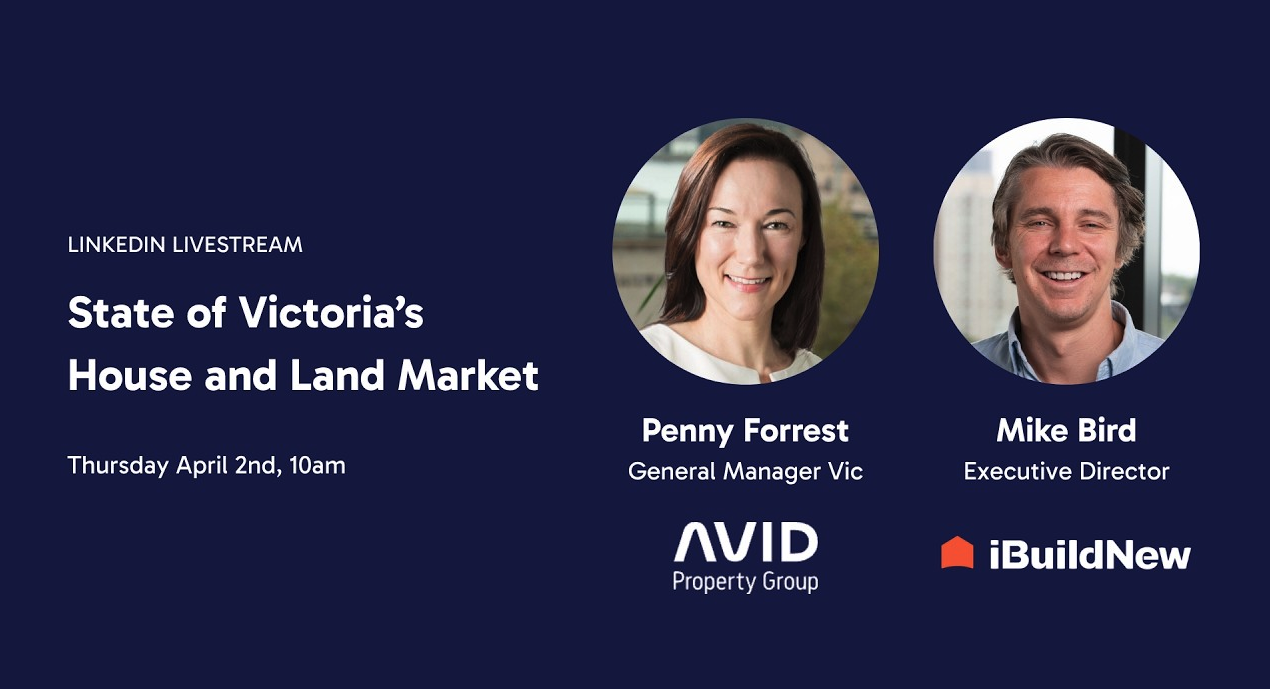
Insights from our conversation with Penny Forrest, General Manager Victoria, AVID Property Group — April 2026
If you're thinking about buying a block of land or a house and land package in Melbourne's growth corridors this year, the market is working differently than it did even two years ago. Lot releases are smaller, competition between developers is sharper, and the details of which community you choose — not just the price — are making a much bigger difference to what you end up owning.
We recently sat down with Penny Forrest, General Manager Victoria at AVID Property Group (one of the country's top five residential land developers), to get a clear picture of where Melbourne's greenfield market sits in 2026. Here's what buyers need to know.
The market is stabilising — but it's not a free-for-all
Around 12,500 lots were sold across Melbourne's greenfields in 2025. That's a healthy step up from the quiet years of the previous cycle, but still well below the 20,000-plus lots the outer suburbs were producing before 2022.
In plain terms: the panic-buying days are over, but so are the deep discounts. Interest rates are still the biggest thing sitting on buyer confidence, and most developers — AVID included — are releasing land in smaller, more frequent batches rather than flooding the market with stock.
What this means for you: If you see a release that suits you — location, price, orientation, lot size — don't assume there'll be a bigger one next month. Smaller releases mean the good lots go quickly. Get your finance pre-approval sorted before you walk into a display suite, not after.

Look at the community, not just the lot
One of the biggest shifts in how developers are thinking about new estates is amenity. Years ago, a house and land package was mostly about the home. Today, communities that include a town centre, schools, parks, and retail are being priced — and valued — noticeably higher than communities that are just streets and lots.
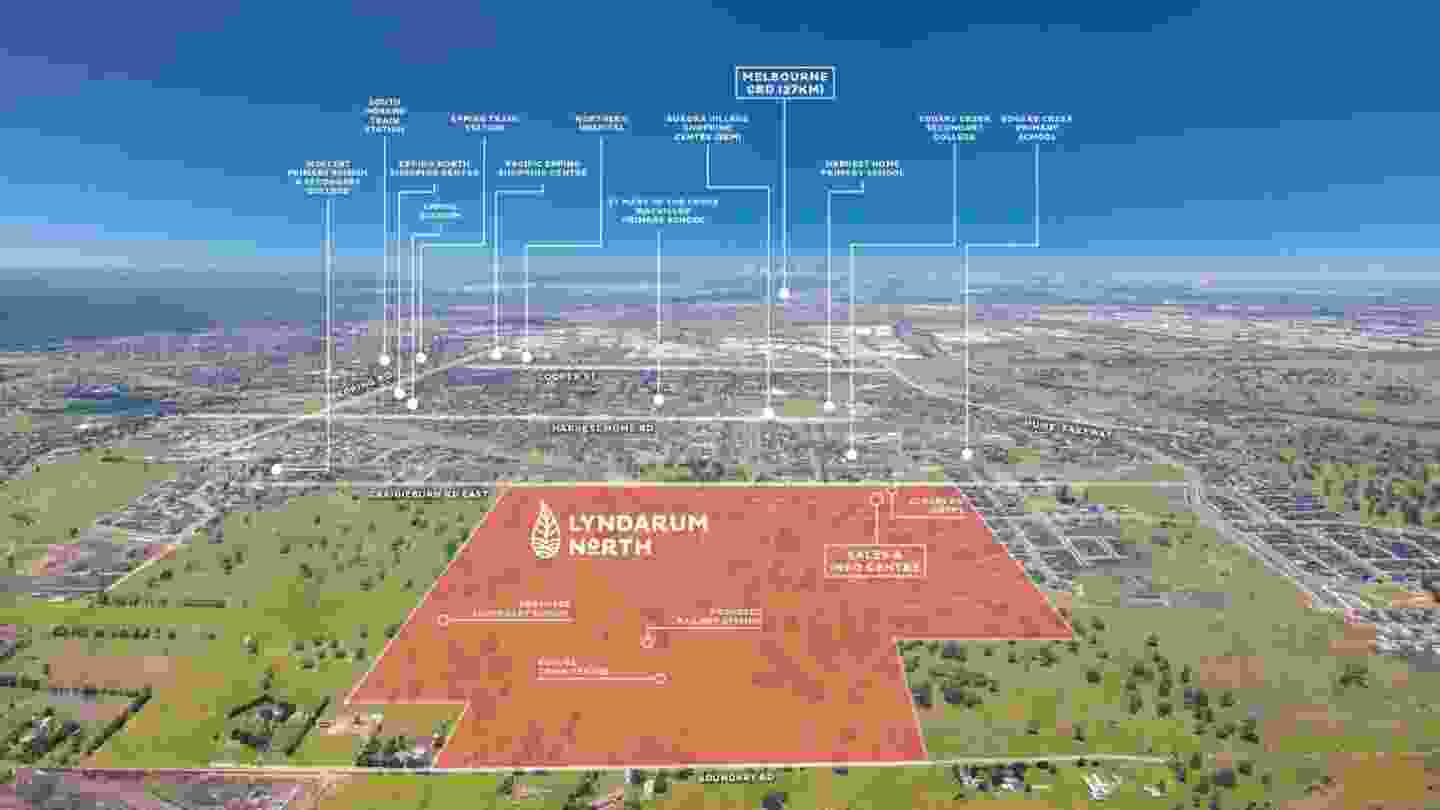
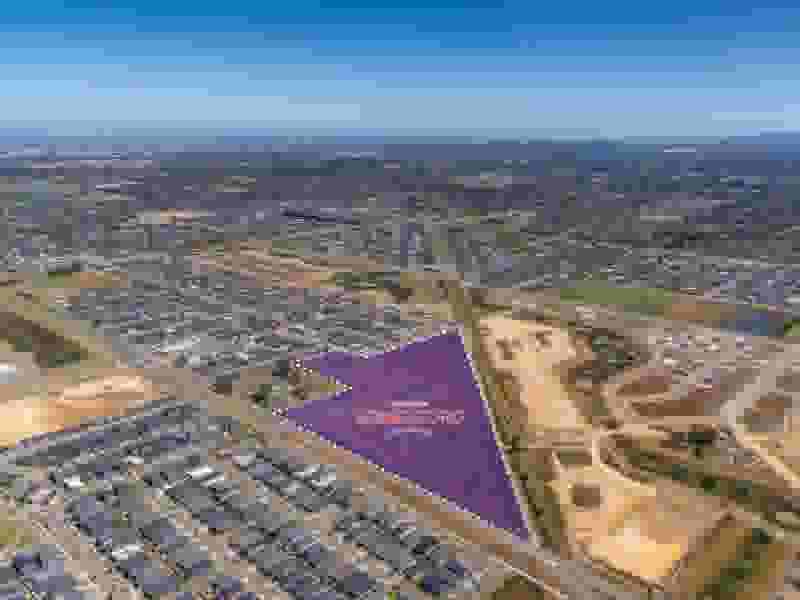
AVID's Lindarum community in Wollert (northern Melbourne) is a good example. With around 1,000 homes still to deliver, the project includes a major town centre that will serve as the retail and civic anchor for residents. When you're weighing up estates, look at what's already built, what's promised on the master plan, and — critically — when it's scheduled to be delivered.
Questions worth asking the sales team: When is the nearest school opening? What retail is confirmed (not just "proposed")? Which stages have already been delivered, and can I drive through them? Is the public transport on the master plan funded, or is it still a line on a map?
Why land is taking so long — and what that has to do with the price
One of the hidden drivers of land prices in Victoria is the state's Precinct Structure Planning (PSP) process. It's the government framework that decides how new growth areas get rezoned, connected to services, and opened up for development.
The catch: the average PSP takes around five years to complete. That's five years where the developer is paying to hold land that can't yet be sold, five years of rising construction costs, and five years where fewer new estates come onto the market.
All of those costs eventually sit inside the lot price you pay. Planning reform is one of the biggest things that could bring new-build affordability down in Victoria over the next few years — worth watching if you're in a position to wait.
Customer experience is becoming a real differentiator
Buying a new-build home is different to buying an existing one. You're paying for something that doesn't yet exist, across a process that can take 12 to 24 months from deposit to handover. The quality of the support you get during that time matters almost as much as the home itself.
AVID runs what it calls a customer ambassador program — a single person who stays with you from the day you buy through to handover, and often into moving-in and community life. It's the kind of service that used to be optional and is now becoming standard expectation at the better-run developers.
What to ask: Who will be my point of contact after I sign? What happens if my builder hits a delay — does the developer help? Is there a community manager once we move in? Vague answers are a warning sign.

Choosing a builder: three things to look for
Developers like AVID partner with a small panel of builders for each community, and the way they pick those builders tells you a lot about what to look for yourself. Forrest described AVID's Victorian builder panel as being chosen on three things:
Reputation — track record on quality, on-time delivery, and how they handle issues when things go wrong.
Agility — the ability to respond quickly to design changes, site conditions, or market shifts.
Willingness to collaborate early — working with the developer from the design stage so the home actually fits the lot and the community.
When you're comparing builders, these are the same three filters worth applying. Online reviews are a starting point, but also look at homes the builder has delivered in the estate you're buying into — not just display homes in a different suburb.
The bottom line for 2026 buyers
Melbourne's land market in 2026 is more balanced than it has been in years. You've got options, developers are competing on community quality rather than just price, and the process is more professional across the board. That said, the good lots still go quickly, planning bottlenecks are keeping prices firmer than they'd otherwise be, and the community you choose will shape your experience far more than the headline package price.
If you're serious about buying in the next 12 months:
Get finance pre-approval sorted early.
Visit communities in person — daytime and weekend — not just the display suite.
Ask hard questions about delivery timelines and after-sales support.
Compare at least three builders on panel for any community you shortlist.
Use a comparison platform (like iBuildNew) to line up options side-by-side before you commit.

Joel Robinson
Joel Robinson is the Editor in Chief at iBuildNew, where he leads the editorial team and oversees the country's most comprehensive news coverage dedicated to the new home building industry. With more than a decade of experience in residential real estate journalism, Joel brings deep insight into Australia's evolving home building and construction landscape.