Suburb Profile: Geelong

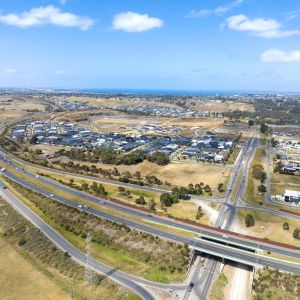
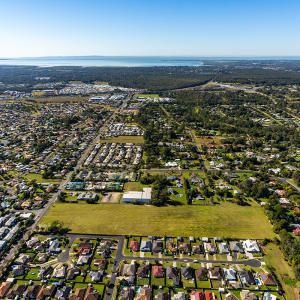
Geelong is a port city located on Corio Bay and the Barwon River, and is Victoria's second largest city. Geelong was named in 1827, with the name derived from the local Wathaurong Aboriginal name for the region, Jillong, which means ‘a place of the seabird over the white cliffs’. Greater Geelong is regarded as Australia’s fastest growing region with predictions of over 30% population growth over the next 15 years. Geelong City is also known as the 'Gateway City' due to its central location to surrounding Victorian regional centres like Ballarat in the north west, Torquay, Great Ocean Road, and Warrnambool in the southwest, Hamilton, Colac, and Winchelsea to the west, and the state capital of Melbourne in the north east. It is also known for being home to Geelong Football Club, the second oldest club in the Australian Football League.During the gold rush, Geelong experienced a brief boom as the main port to the rich goldfields of the Ballarat district. The city then diversified into manufacturing in the 1860s, becoming one of the largest manufacturing centres in Australia with its wool mills, ropeworks, and paper mills. It was proclaimed a city in 1910, with industrial growth until the 1960s, establishing the city as a manufacturing centre for the state.



Joel Robinson
Joel Robinson is the Editor in Chief at iBuildNew, where he leads the editorial team and oversees the country's most comprehensive news coverage dedicated to the new home building industry. With more than a decade of experience in residential real estate journalism, Joel brings deep insight into Australia's evolving home building and construction landscape.